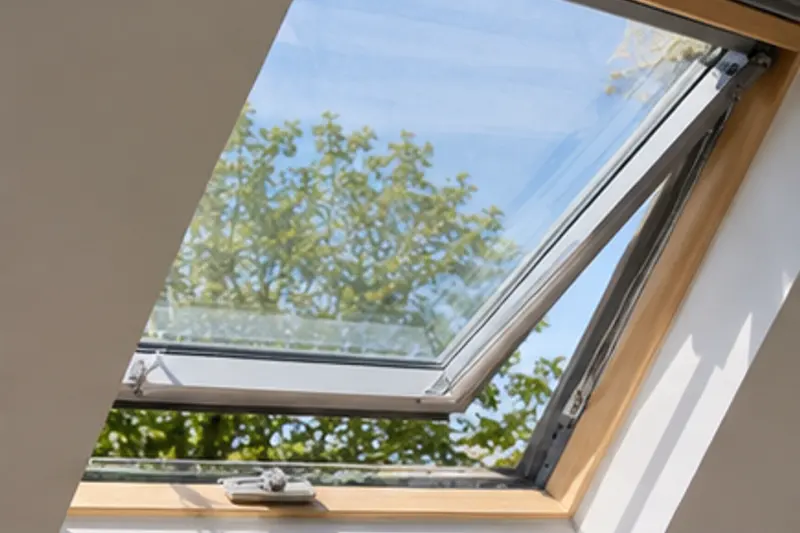
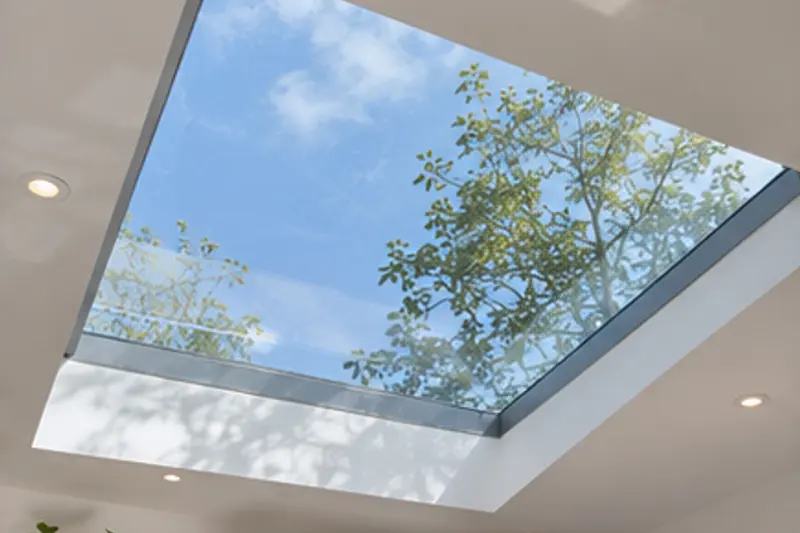
Send ground-level photos of the shape, roof edge and area below. Identify the glass faces and mention coatings, known drainage issues or public access.
Can outside and inside roof glass be assessed together?
Yes. The positions, surfaces and protections needed for each face still have to be considered separately.
Explore the work
Glass roof structure
Panels
Identify the panes and the accessible faces.
Support bars
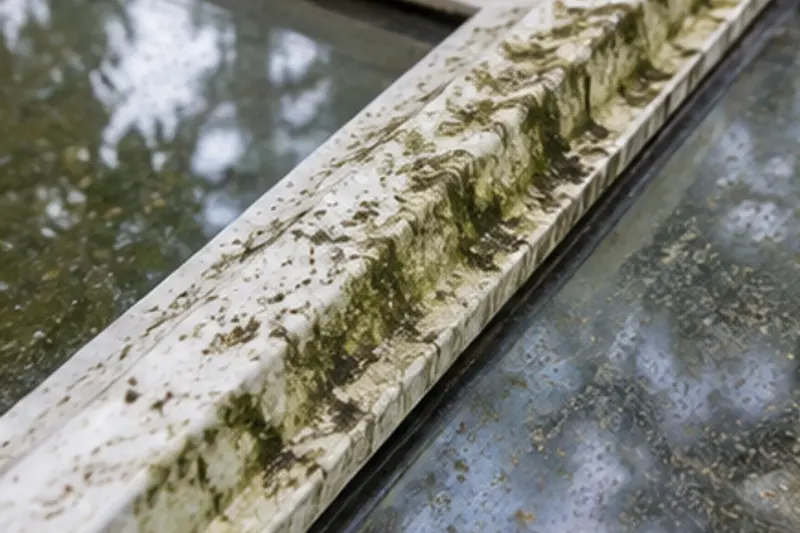
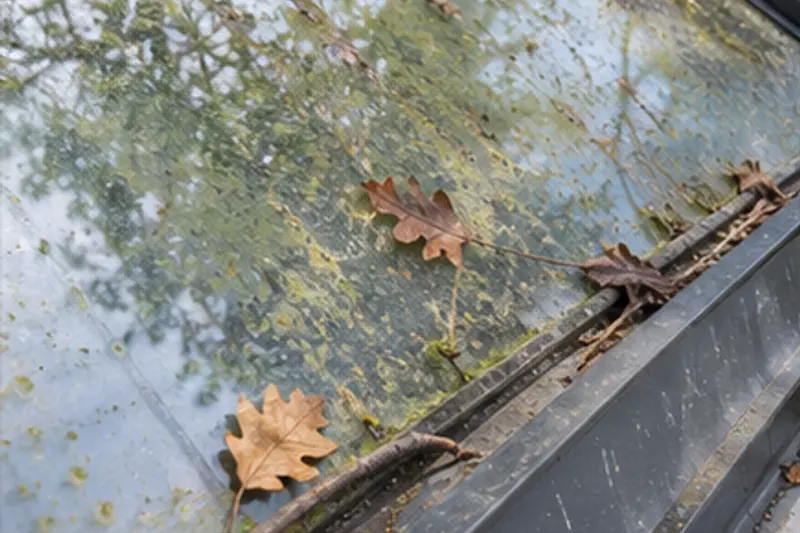
Examine where residue collects along edges.
Roof edge
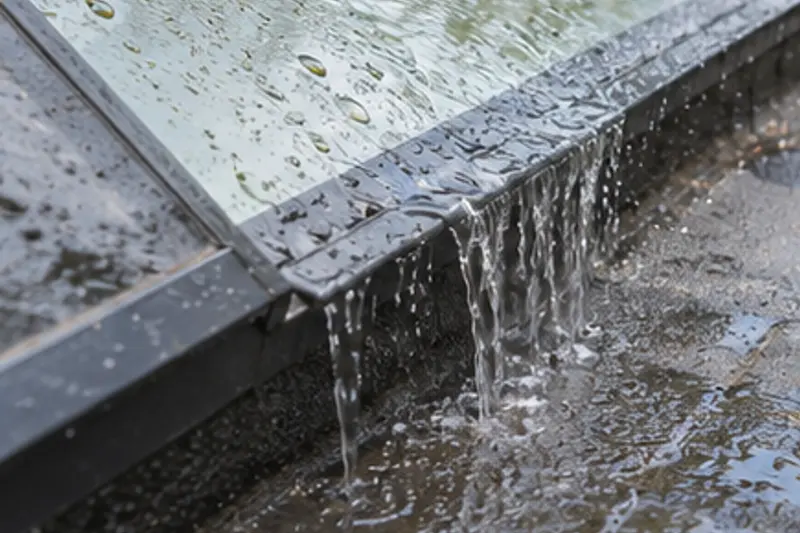
Establish the route of wash water.
Roof access assessment
Clear ground
Check the working angle and surrounding space.
Atrium
Inside and outside surfaces need separate assessment.
Restricted approach
Photograph the area from a safe position for review.
Coatings and surfaces
Clear glass
Assess the surface and seals for damage.
Self-cleaning glass
Check the manufacturer’s guidance before choosing tools.
Fritted surface
Confirm which face carries the finish.
What to send with your enquiry
Send ground-level photos of the shape, roof edge and area below. Identify the glass faces and mention coatings, known drainage issues or public access.
Water runoff simulator
Free drainage
Determine where rinsing water can be managed.
Blocked route
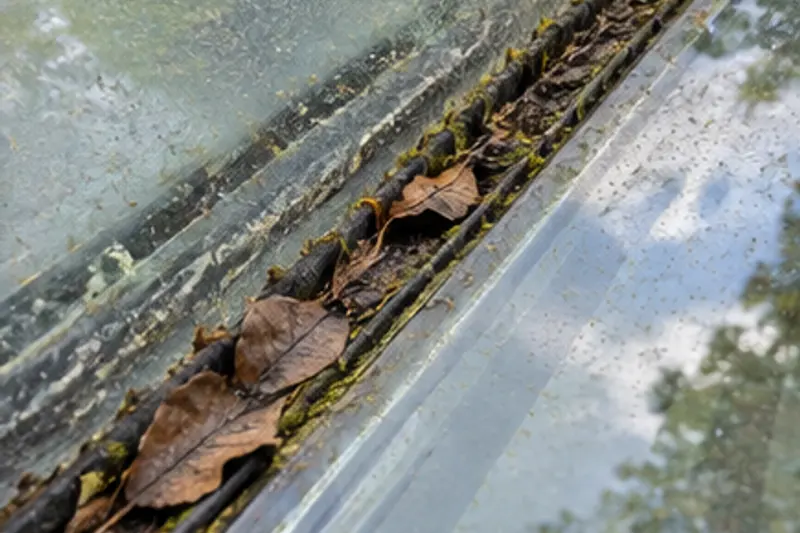
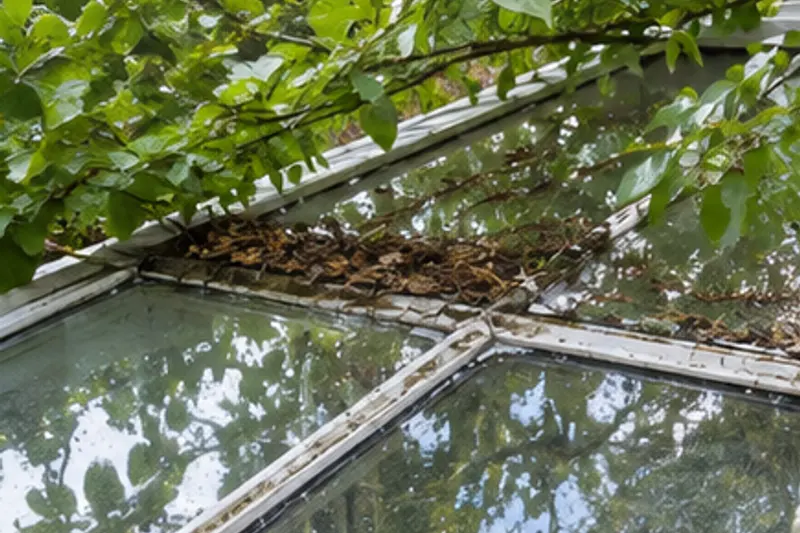
Debris at the gutter can change the work plan.
Entrance below
Agree how to keep run-off away from the access route.
Identify the roof structure first
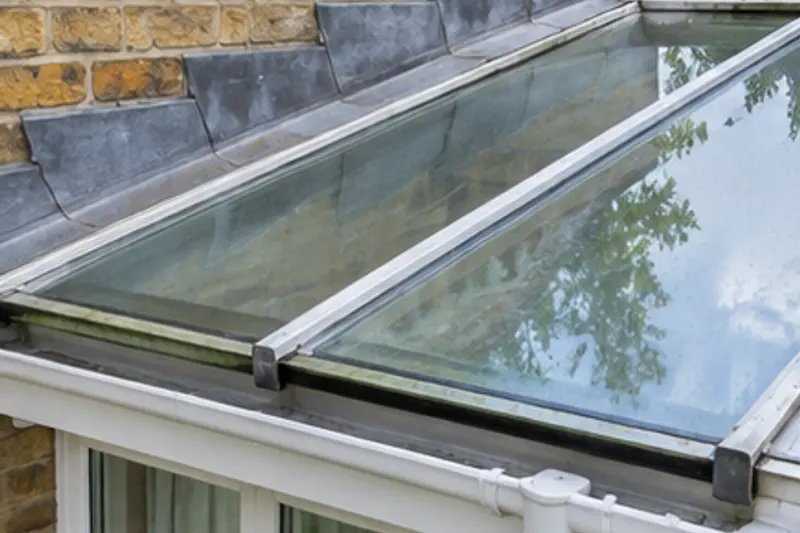
A single glazed extension, a row of panels in a roof and a large atrium share different working positions and ways of draining. Before a quote, identify the roof shape, the panes to be cleaned and the access that can be agreed for each face. Receivable photos should show the perimeter and areas underneath as well as the glazing itself.
Different surfaces can look alike
A clear pane, a fritted pane and a roof with a self-cleaning finish may all look similar from the ground. The work assessment should establish which face has the finish and what is permissible on that material. Damage close to the joints and ongoing leaks need separate consideration.
Describe the entire glazed structure
A flat pane over a kitchen, a pitched roof on a courtyard extension and a multi-bay atrium all collect dirt and shed water differently. Identify the roof shape and mark the glass that needs attention on a photograph taken from a safe place. Include the roof edge, surrounding walls and the level immediately below. A tall front wall can hide a surprisingly shallow space between the edge and the inner panes. If the building has several roofs, show which is in the enquiry and whether both faces are wanted. Mention adjacent windows or finishes that could be affected by water from the roof. Those details establish which parts of the building need to be considered together.
Identify the pane and coating
Glass can carry a coating designed to reduce heat, control glare or help rain spread across the surface. The treatment advice may differ by face, even when the panes look identical from below. Check any glazing schedule or handover notes, especially if part of the roof has been replaced. A plastic panel can also look like glass from a ground-level photograph. Tell us about labels, patterned surfaces, tint, repair films or previous polishing. If the surface cannot be identified, a suitable method should be agreed before contact. Abrasive tools and strong products can alter coatings or scratch surfaces. A normal window wash is not a basis for assuming the roof will tolerate the same treatment.
Measure reach in relation to the edges
The working position is governed by distance as well as height. A pane several metres back from a roof edge can be hard to reach even when the roof itself is low. Railings or a parapet affect the angle, and a deep planting bed can leave very little room below. An atrium facing a public corridor requires a different arrangement from a private patio. Photographs taken from opposite sides, where possible, help explain the available approaches. Say which doors, pavements or loading routes must remain clear. A cleaner must have an agreed safe working position. The fact that a person can see the pane or extend a tool towards it does not establish access to the whole pane.
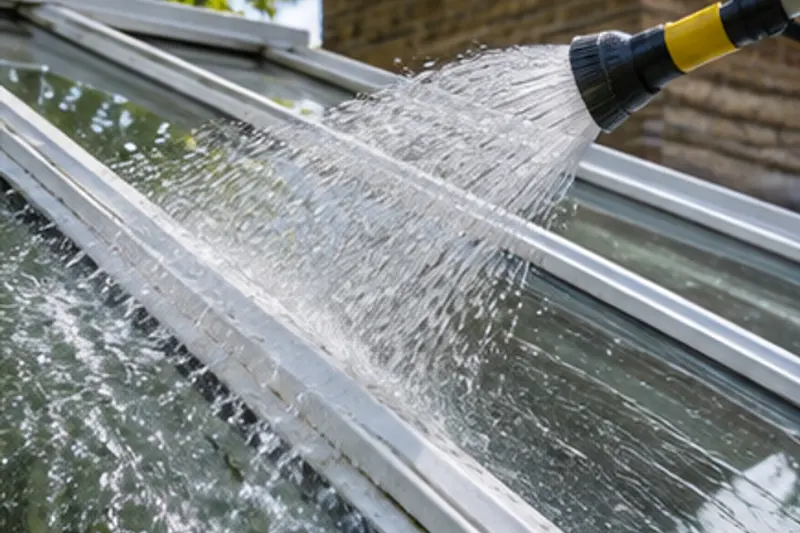
Trace the water before washing
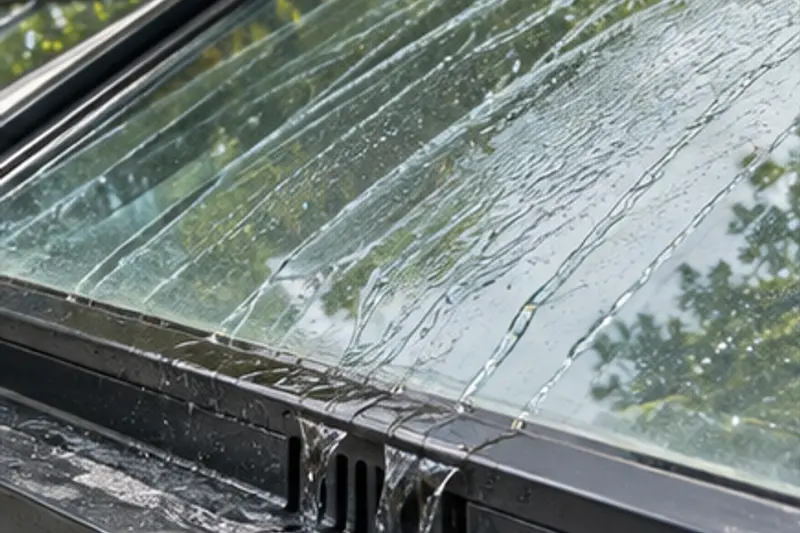
A sloping roof directs water towards its low edge. A flatter installation may carry it to outlets hidden behind a parapet or to channels along edges that look level from below. Look for drips above doors, leaf build-up and discolouration below a joint. If the building has a known leak, report it before introducing wash water. A controlled rinse should follow a route where run-off can be managed without soaking people, furnishings or sensitive finishes below. A blocked outlet may need a separate assessment by a suitable contractor. Washing glass does not include pressure-testing seams or finding the cause of damp around a roof junction.
Agree how the roof will be divided
A series of panes can often be considered as sections separated by bars, valleys or changes of pitch. Check accessible edges and allow for loose dirt moving down from sections washed earlier. With suitable glass, work through small areas rather than letting a large amount of dirty water run across the entire structure. The most useful sequence depends on the shape and the available working positions. Where both faces are agreed, plan the inside separately. Protect the occupied area below and work with controlled amounts of water near timber, plaster or furniture. Flag any areas that cannot be assessed safely, and agree how those omissions will be recorded at handover.
Tell the difference between dirt and defects
Marks along a glazing bar can be loose material released from above. Milky patches, fine scoring and moisture between panes can remain when the surface is clean. A build-up may also be more apparent when seen from a bright room directly below. Inspect from the normal viewpoint inside where it is safe to do so and compare with the view from ground level outside. A roof panel that continues to look cloudy after the agreed wash may need attention from a glazing contractor rather than another rinse. Record damaged seals, suspected leaks or cracked panes separately before discussing further work. The condition assessment should make clear which observations were possible from the chosen position.
A courtyard roof above live space
A restaurant courtyard or office break area may be open for much of the day even if glazing is accessible from a separate level. Plan use of the room and the space where rinse water will fall. Ask building management about access arrangements, fire routes and adjoining units. A glass panel above a passage also needs different protection from one above a private terrace. Share contact details for the person who can grant access on the day. If only a subset of the panes can be reached within those arrangements, identify them beforehand. That decision prevents a quote for a small reachable area from being mistaken for a full atrium wash.
Know when to separate two enquiries
If the building combines a conservatory and a rooflight above a kitchen, list them separately. A fixed rooflight may be manageable from the room and a low conservatory may allow a different outside approach. Extensive roof glazing needs its own assessment when the working position or run-off changes. For each, include the postcode, likely size, material and an explanation of what is below. If you have photos taken in dry weather and after rain, use them to show where debris or water collects. The enquiry can then focus on the area that matters most, while keeping repair requests, gutter work and other glazing separate.
When inside work changes the plan
An inner roof face can sit above a reception desk, a kitchen island or a stair used throughout the day. Identify what can be relocated and which areas must remain available. Tell us if the inside face includes a film, exposed timber or ceiling equipment. Where only outside work is requested, an inside photograph can still establish which panes are affected and show whether a mark appears between the panes. This avoids quoting for the wrong face.
Glass roof structure
What we assess
What it means for the visit
Panels
Identify the panes and the accessible faces.
Support bars
Examine where residue collects along edges.
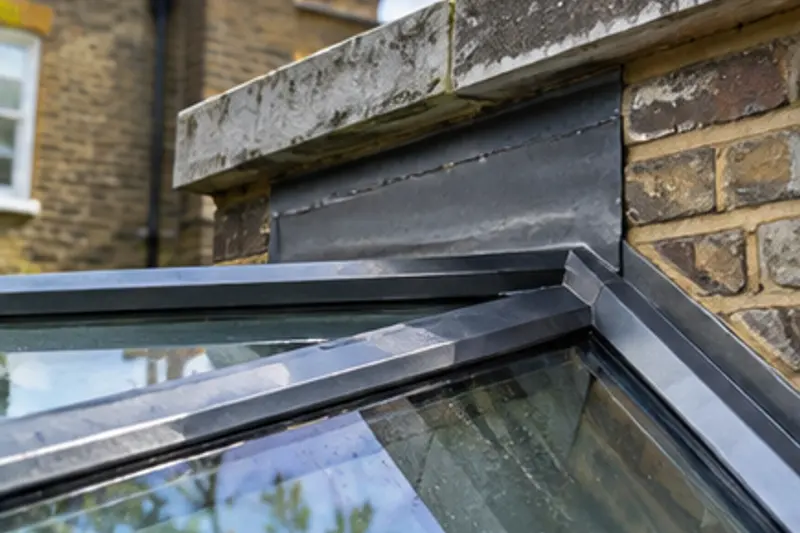
Roof edge
Establish the route of wash water.
Coatings and surfaces
Condition or arrangement
What we consider
Clear glass
Assess the surface and seals for damage.
Self-cleaning glass
Check the manufacturer’s guidance before choosing tools.
Fritted surface
Confirm which face carries the finish.
Surfaces and access
Illustrations of the work and the surfaces we assess.
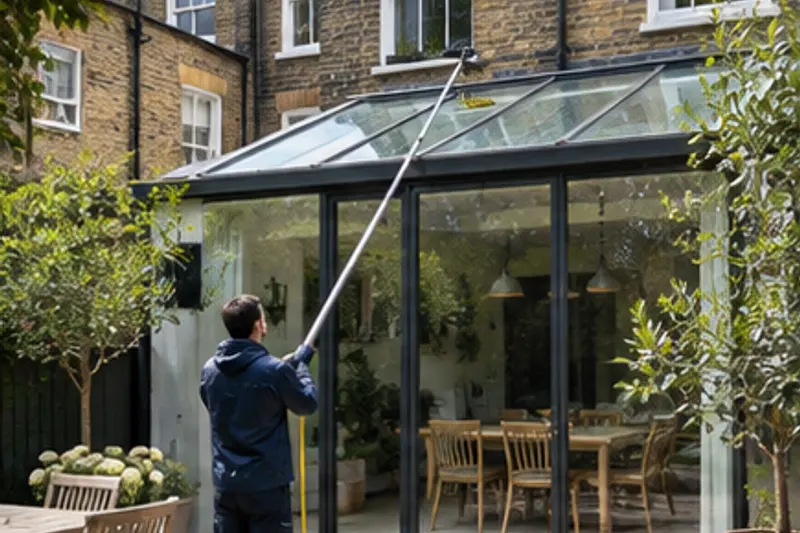
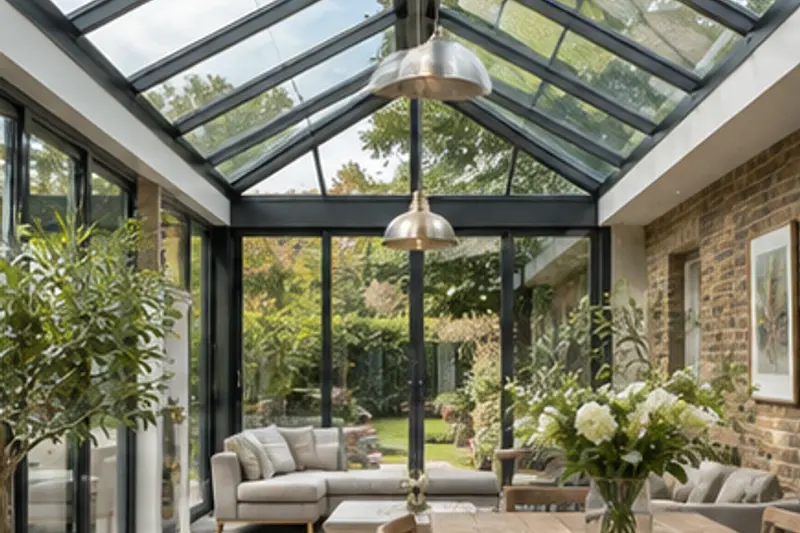
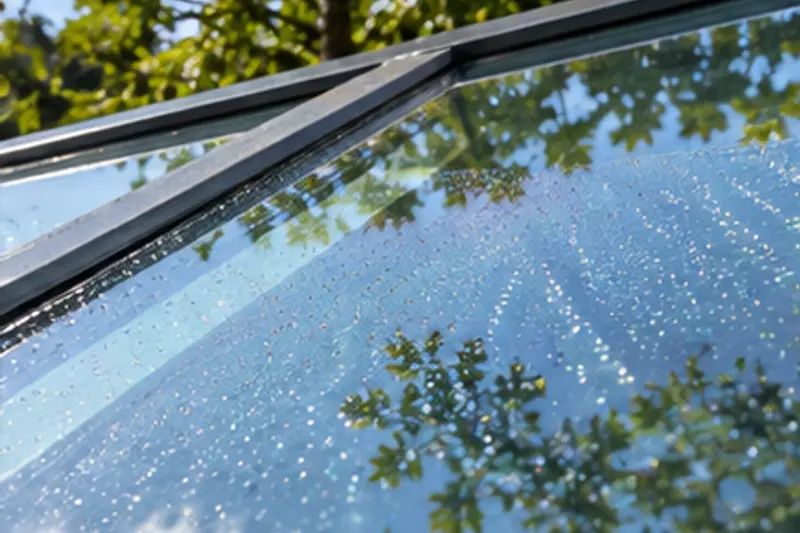
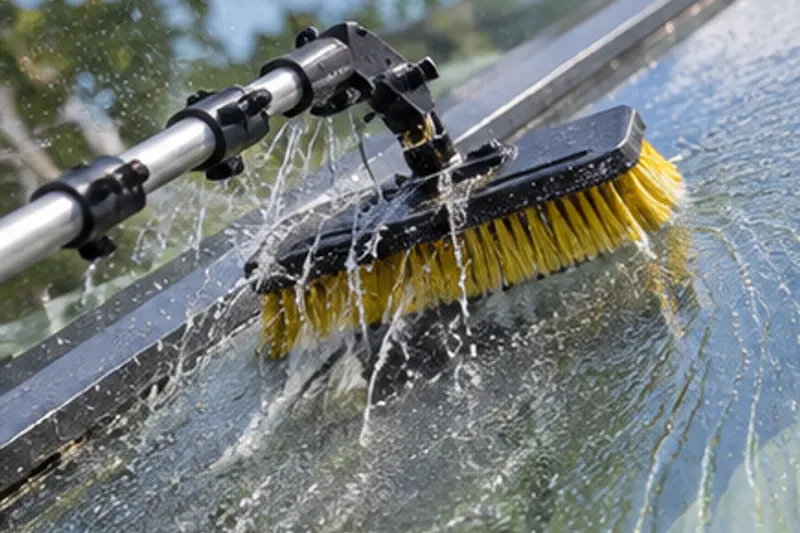
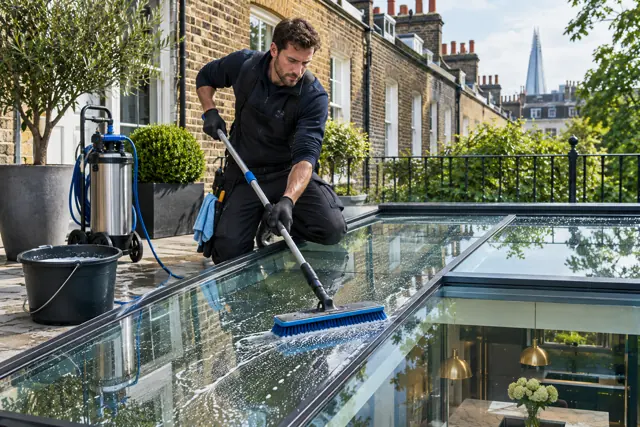
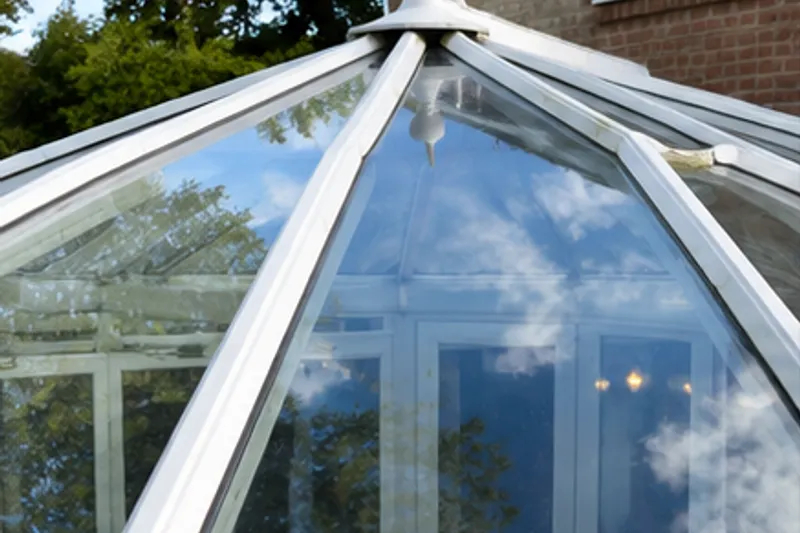
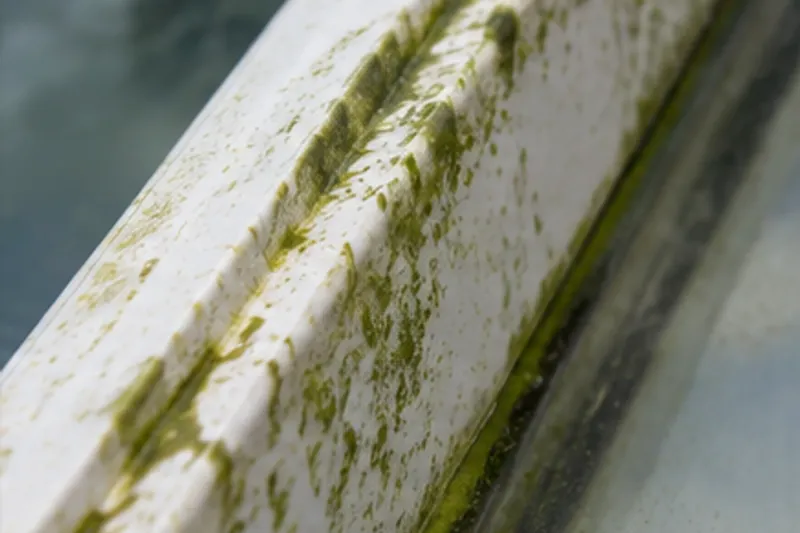
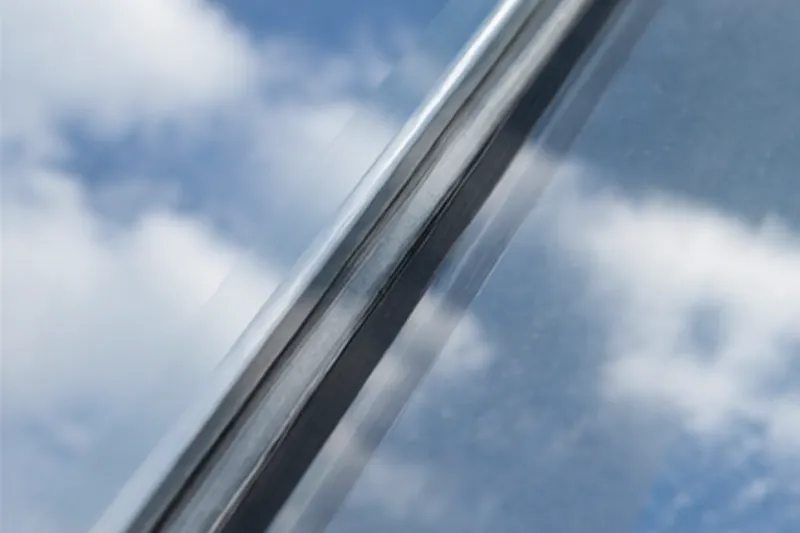
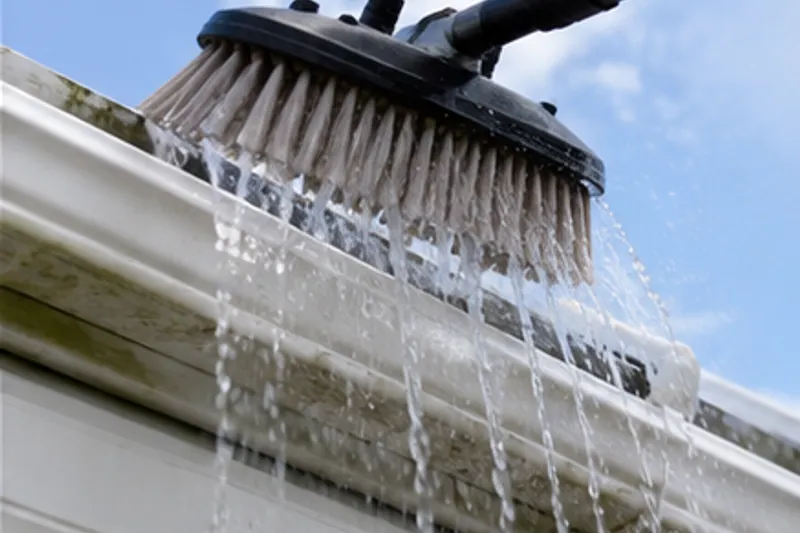
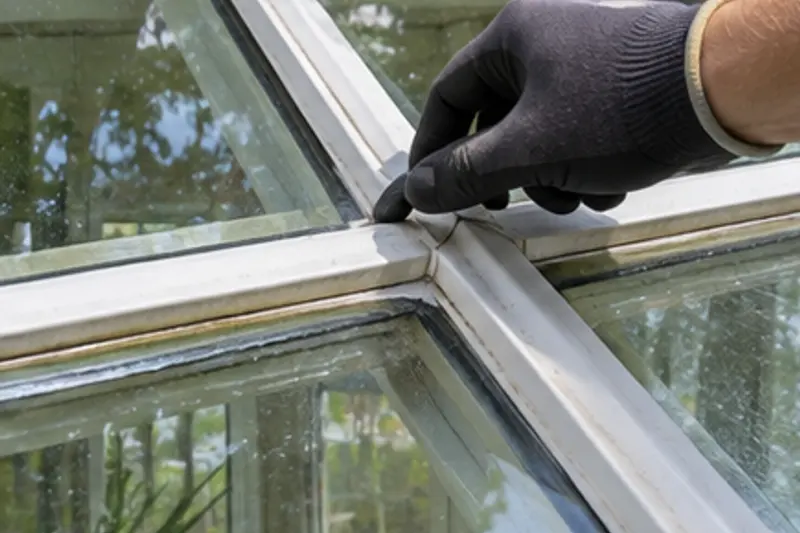
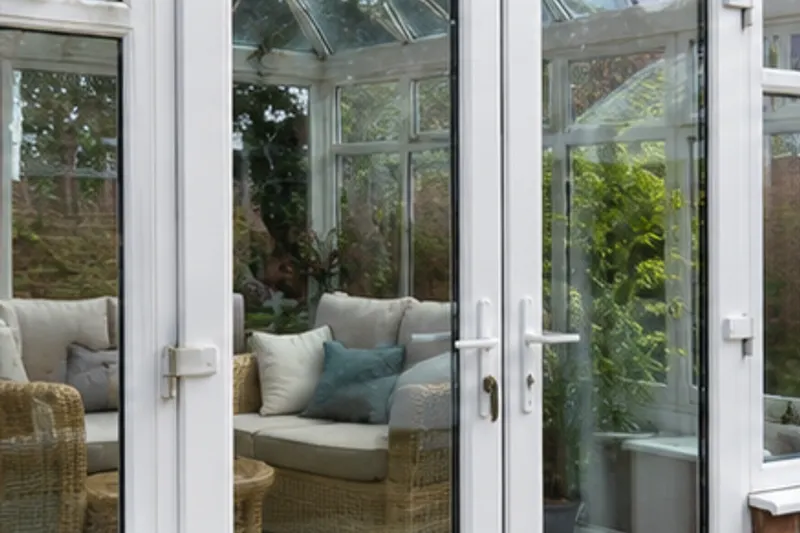
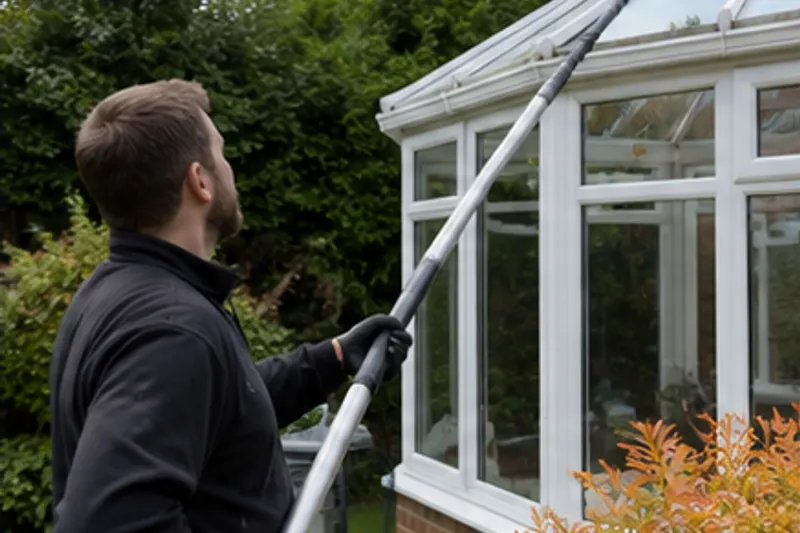
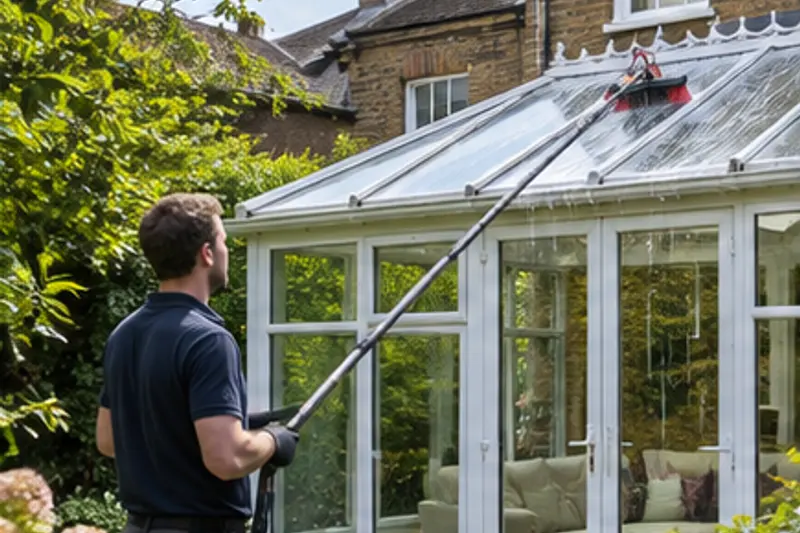
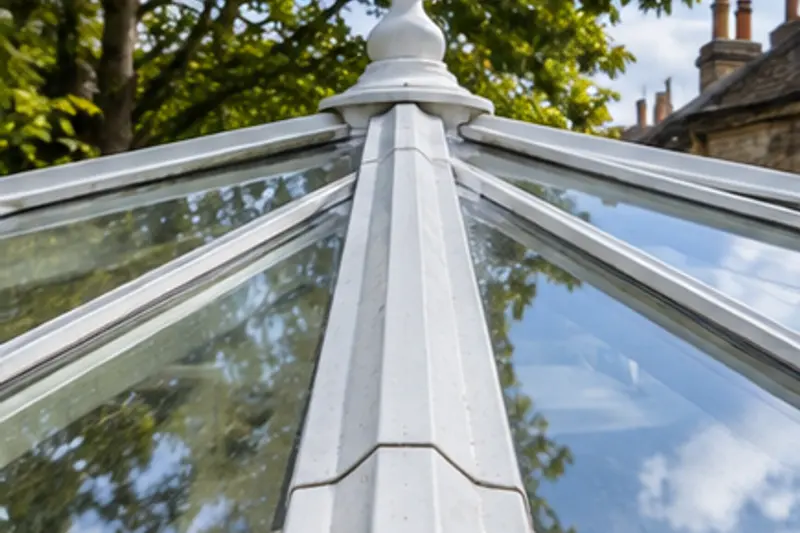
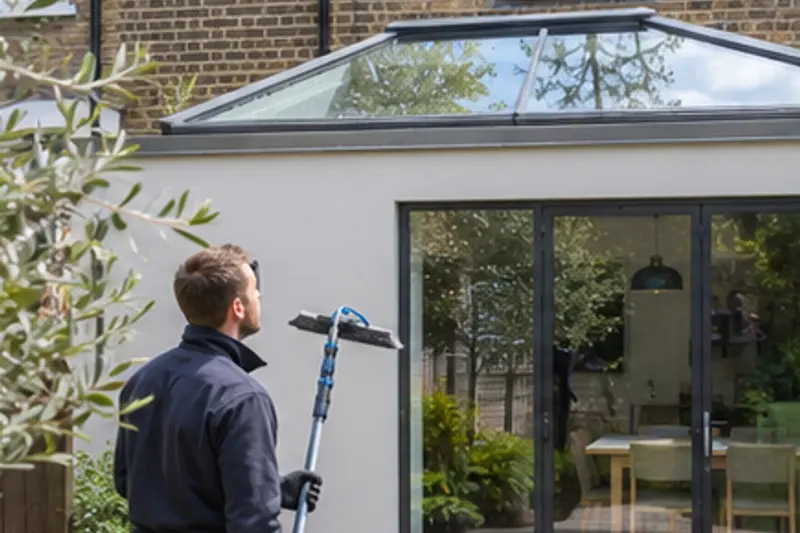
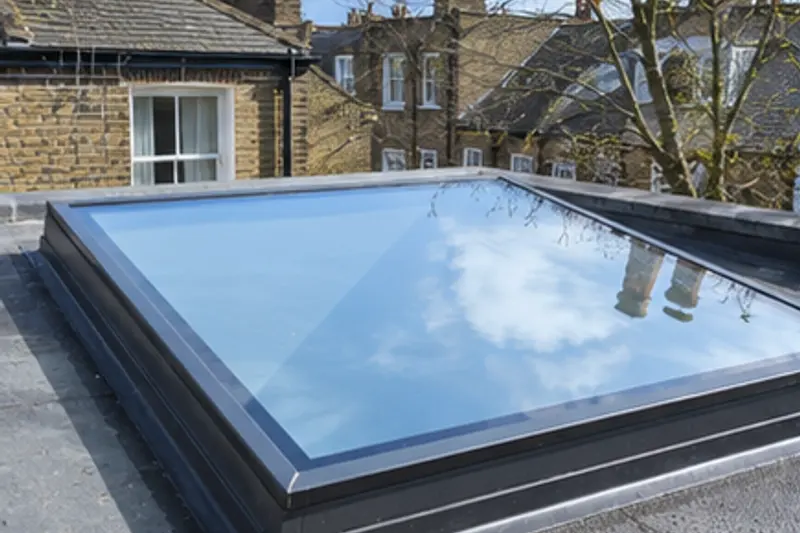
Glazed conservatory doorsTranslucent polycarbonate panelInspection from outside the conservatoryLondon garden conservatory roof actively cleaned by telescopic soft brush from groundGlass roof ridgeDirty roof glazing bar
Google Business Profile
Customer reviews on Google
Read what customers say about Shiny across London. Reviews and ratings are from Shiny’s London-wide Google profile.
This was the best window craning service I’ve ever experienced. Extremely professional, took pride in their work and left the place sparkling. Highly recommend.
Windows were cleaned to a good standard. The cleaner turned up and did the job whilst I was not in the property so appreciated that. The process was easy to book from start to finish.
I needed the external windows cleaned at the start of a new tenancy. It was easy to book and a call from the window cleaner before she started helped identify all the windows in a 1 & 2nd floor flat. The tenants are very pleased with the result. The only downside is trying to get a VAT invoice from the company (Top Window Cleaners or Fantastic Services Group). Why can’t you send the invoice as soon as you take payment??
Edmond was excellent. Even removed some high cob webs from the conservatory for me. He is friendly chap and I am amazed at the state of my windows now. Will be rebooking at regular intervals.
Felipe was excellent, he carried out the work very satisfactorily so I would recommend him BUT not the organisation of the job which was sooo painful, required a lot of energy and time from my part, many mistakes were made during the booking process, I had a lot of your customer services agents “harassing me by phoning multiple times in one single days over many days until the job was finally completed. And I really didn’t like being threatened to pay extra constantly for rebooking the service !! Can someone please phone me urgently to sort this out because I’m now ready to cancel my membership