Can I enquire about solar panel cleaning in London?
Send the module details, a safe ground-level photo and the postcode. The manufacturer’s guidance and a safe working position must be assessed first.
Does cleaning guarantee more electricity?
No output increase can be predicted from appearance. Shading, weather and hardware can also affect generation.
Explore the work
Solar array explorer
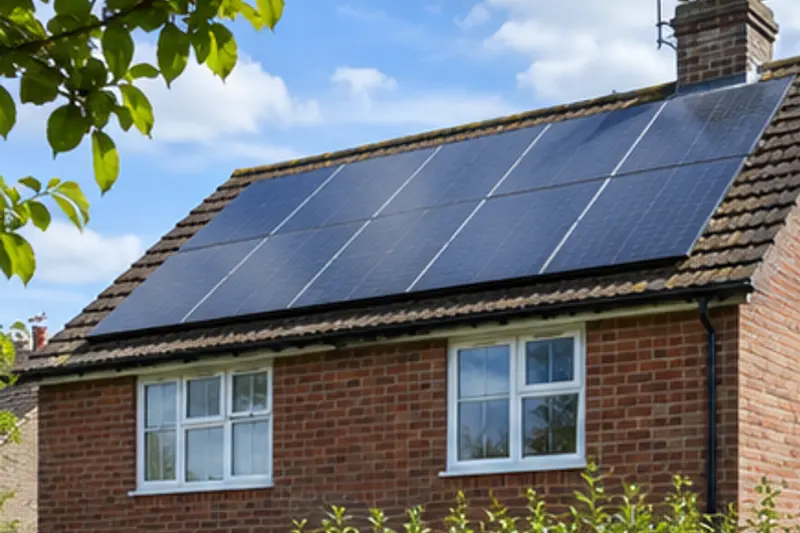
Outer glass
Check the manufacturer’s care guidance and surface condition.
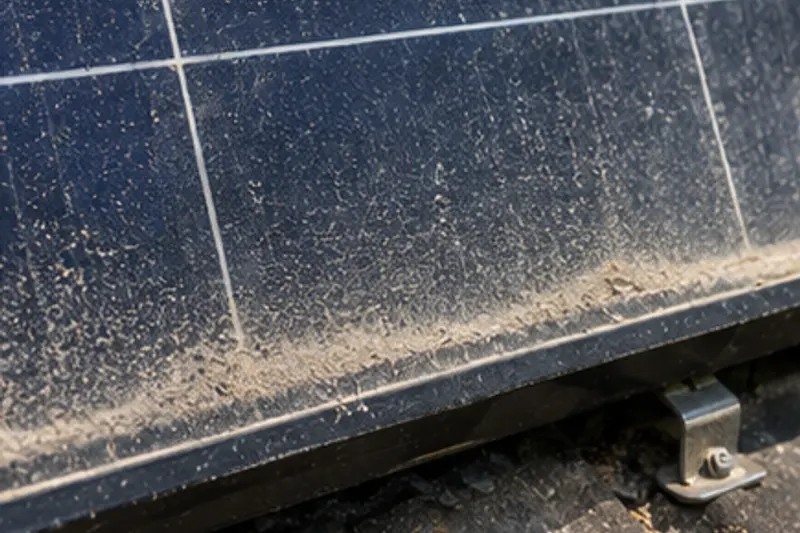
Lower edge
Dirt can collect near the lower frame.
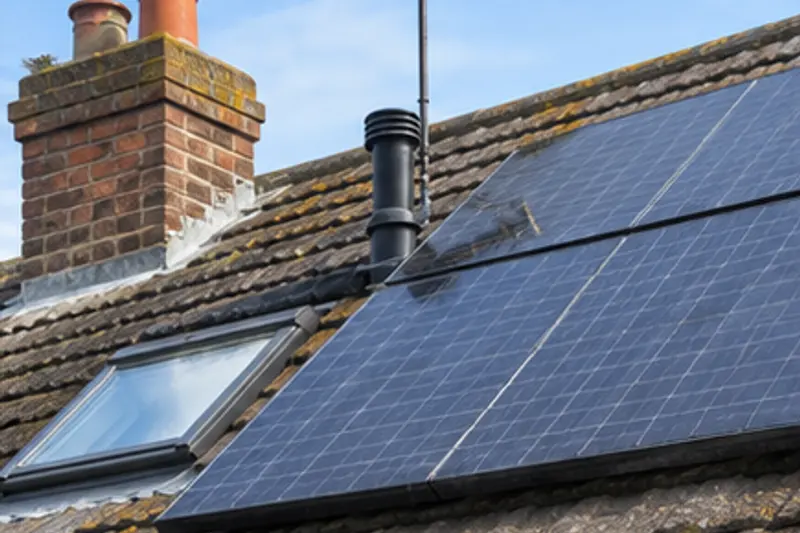
Roof surroundings
Equipment, roof edges and neighbouring buildings change access.
Panel surface inspector
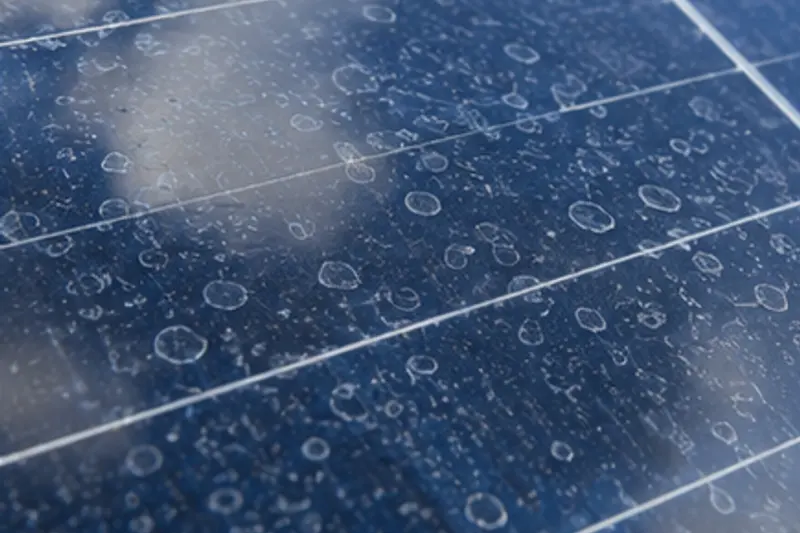
Dust
Check whether surface film is visible from a suitable position.
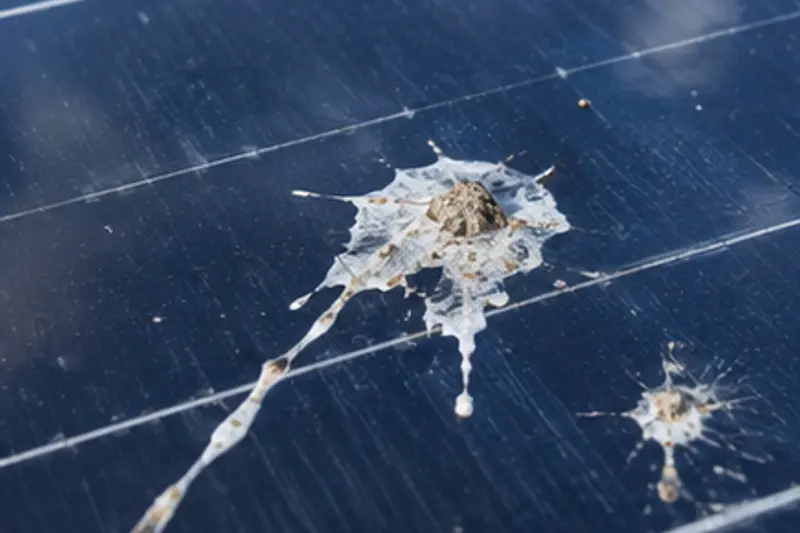
Bird deposits
Assess the affected area without assuming a particular treatment.
Discolouration
Confirm whether the mark is external soiling or a condition requiring a technician.
Equipment assessment
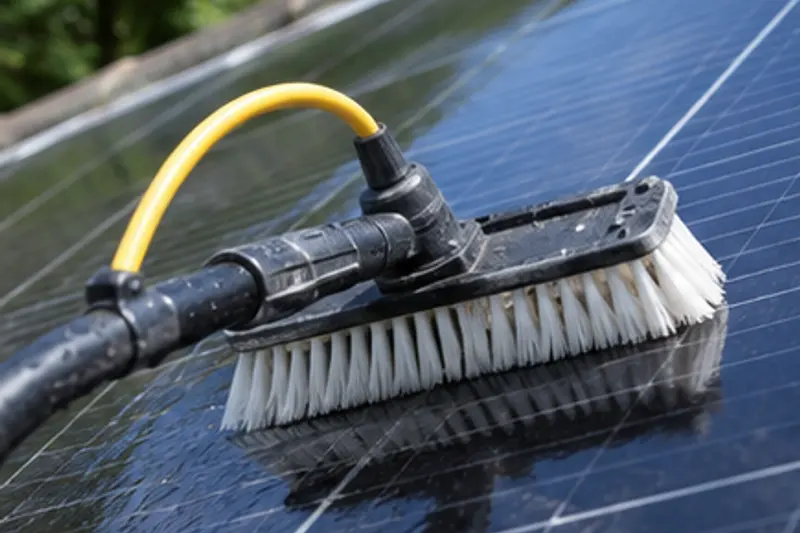
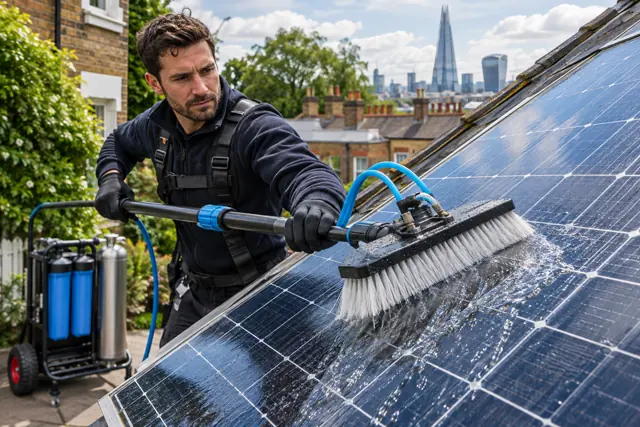
Soft contact
Tool selection depends on the panel maker’s requirements.
Water quality
Confirm whether the manufacturer permits the intended water and method.
Cables
The work plan keeps equipment clear of electrical components.
What to send with your enquiry
Send the module details, a safe ground-level photo and the postcode. The manufacturer’s guidance and a safe working position must be assessed first.
Roof access review
Clear ground
Assess whether any safe ground-based approach exists.
Obstructed roof
Roof profile or cable routes may rule out the proposed method.
Unknown installation
Request the model and site details before any cleaning is offered.
Identify the installation
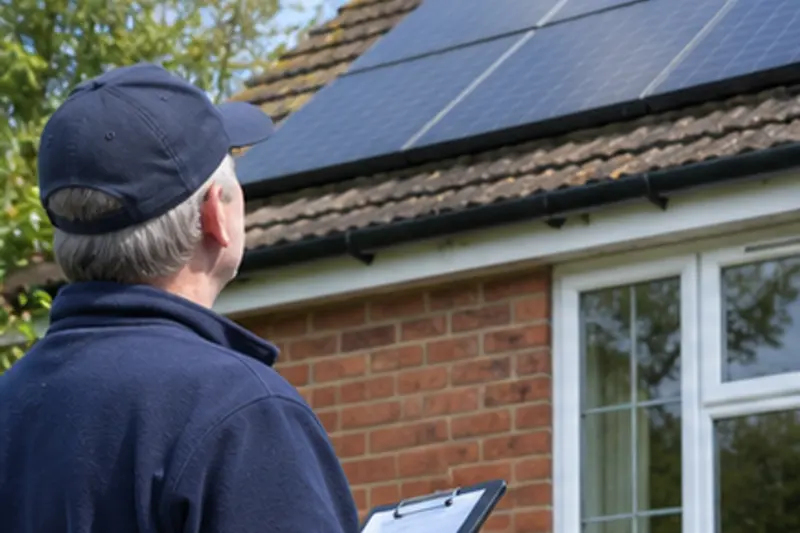
A review begins with the panel make and installation layout, plus what the site contact knows about the manufacturer’s care instructions. Some panels have finishes for which a particular cleaner, brush or water specification matters. The roof pitch, frame edges and location of nearby obstructions should be visible in photos taken from ground level. An array mounted on a roof and an accessible standalone installation require different visit plans.
Assess appearance without estimating output
Visible residue is useful information, but a photo of dust, bird deposits or edge staining does not establish an effect on electricity generation. A different-looking panel might have an issue unrelated to surface dirt. The assessment should keep visible soiling separate from faults that require a qualified technician.
Start with the panel maker’s instructions
Find the module make and model on the installer’s handover paperwork. The maintenance section should indicate whether cleaning is permitted, which surfaces can be touched, and what it says about water, brushes, detergents and temperature. An older installation may have replacement modules that look similar but carry different instructions. Tell us if you can see mixed panels in the paperwork or from a photograph taken safely at ground level. The installer or a qualified solar engineer should resolve any uncertainty about an electrical fault, damaged connector or affected warranty. There is no reason to climb onto a roof or touch equipment to find a label. A picture of the array and a copy of the care guidance are enough to start the discussion.
Separate surface dirt from an electrical concern
A translucent layer of dust, local bird deposits and dark material caught at the lower frame can all be visible from below. A cracked module, loose cable, lifted mounting point or unusual scorch mark belongs in a different conversation. Surface cleaning cannot establish the state of a connector or explain a warning from the monitoring system. If damage is suspected, keep away from the assembly and contact the installer. Compare photographs taken on the same side of the house in similar light if you want to show how the appearance has changed. Bright reflections, dark roof tiles and patches of moving shade can produce a difference that has nothing to do with dirt.
Consider whether a clean is worth discussing
On many pitched roofs, rain washes loose dust from an exposed array. A shallow roof, a ledge below a regular bird perch or an area sheltered by a neighbouring building may behave differently. Note whether the deposit covers a broad area or sits on just one corner. A few marks can be obvious in a close photograph while leaving most of the module clear. Conversely, recurring material at the edge may signal a nearby source that will keep depositing debris after a clean. Mention overhanging trees, nests, renovation work or a nearby extractor if relevant. Keep yield comparisons separate from the visual assessment because weather, shade and system faults can all affect output.
Check the position below the array
The roof’s height and angle are only part of assessing access. A paved yard with a clear view of the modules is quite different from a narrow London side passage with an extension, a conservatory or a fragile roof below the array. Check which ground or courtyard is yours to use and note overhead cables, balconies, parked vehicles and public footways in the photographs. It may be possible to see the panel from the pavement but impossible to work from a position that keeps equipment clear of people and services. A photograph facing the roof and another along the planned approach show more than a close-up of the panels.
Assess the surface and its edges
Module glass has a finish designed by the manufacturer. Deposits at a lower edge can include grit, leaves or material caught against a frame, and the same edge may be close to fixings or wiring. An approved cleaning proposal should explain which reachable faces are included and which edges will be left alone. Ask whether bird proofing, the underside, the roof and the gutters are being treated as separate items. Removing guards or lifting equipment changes the work and should be handled by the appropriate specialist. Mention any known coating, recent repairs or damage. The first decision may be to defer cleaning if the surface or installation details cannot be established.
Agree how any approved wash will be controlled
For an installation that the manufacturer permits to be washed, the assessment should cover surface temperature, the quality of the water, the approved contact materials and where water can drain. A method suitable for a window can be unsuitable for photovoltaic modules, especially around edges, junction boxes and electrical equipment. A badly placed jet or an abrasive pad can damage the installation. The engineer or installer should resolve electrical safety questions, and the cleaner should work only within the agreed limits. Plan where run-off may land, particularly above a doorway, shared pavement or another roof. Ask for the confirmed method before booking and mention restrictions imposed by building management.
Review the appearance from a safe viewpoint
A handover can describe which faces were assessed or cleaned, remaining deposits that could not safely be reached and visible concerns to pass to the installer. Two photographs from the same position are useful if both can be taken from ground level. They are a record of appearance, with lighting and reflections taken into account. To investigate low generation, compare information from the inverter or monitoring system with the installer’s advice. Module orientation, seasonal shading, weather and hardware all matter. An enquiry about cleaning should avoid predicting a gain in output. For a repeat visit, check whether debris is returning in the same part of the array.
Supply the details for an initial decision
Send a postcode and say whether the array is on the front, back, flat roof or above an extension. Describe the panel count, construction of the roof and how the ground beneath is used. Include the make and model, a safe photograph showing the whole roof, and any maintenance rules supplied by the installer. If roof access belongs to a landlord or managing agent, share the arrangements before seeking a visit. Mention whether the issue is practical, such as deposits under a bird perch, or a worry about the equipment itself. That distinction helps to direct the next step before someone travels with the wrong equipment or makes an unnecessary visit.
What a facilities contact should provide
For a commercial array, add the person who manages the installation, any restrictions in the maintenance contract and the roof type. A photo from a public street is useful for orientation but might not show the working area at the rear. Say whether the array overlooks occupied space or a service yard and which route stays open during the day. A site contact who knows the installation can often answer access and warranty questions before any visit is discussed.
Solar array explorer
What we assess
What it means for the visit
Outer glass
Check the manufacturer’s care guidance and surface condition.
Lower edge
Dirt can collect near the lower frame.
Roof surroundings
Equipment, roof edges and neighbouring buildings change access.
Equipment assessment
Condition or arrangement
What we consider
Soft contact
Tool selection depends on the panel maker’s requirements.
Water quality
Confirm whether the manufacturer permits the intended water and method.
Cables
The work plan keeps equipment clear of electrical components.
Surfaces and access
Illustrations of the work and the surfaces we assess.
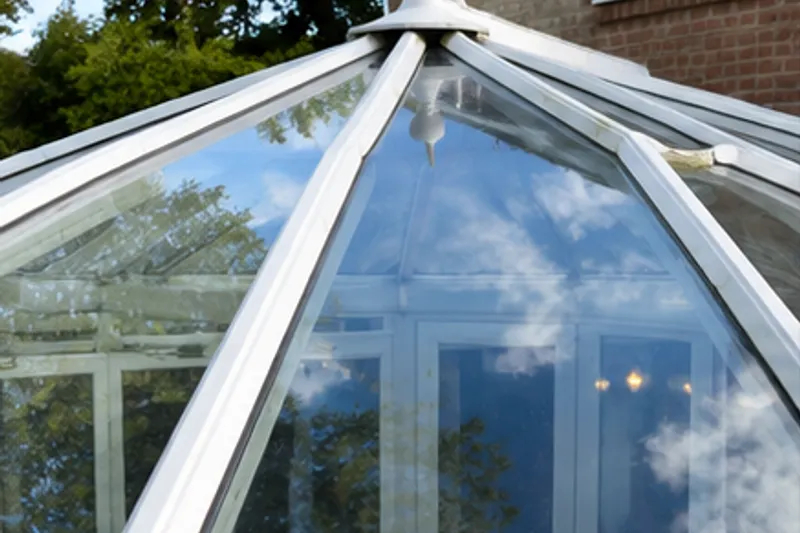
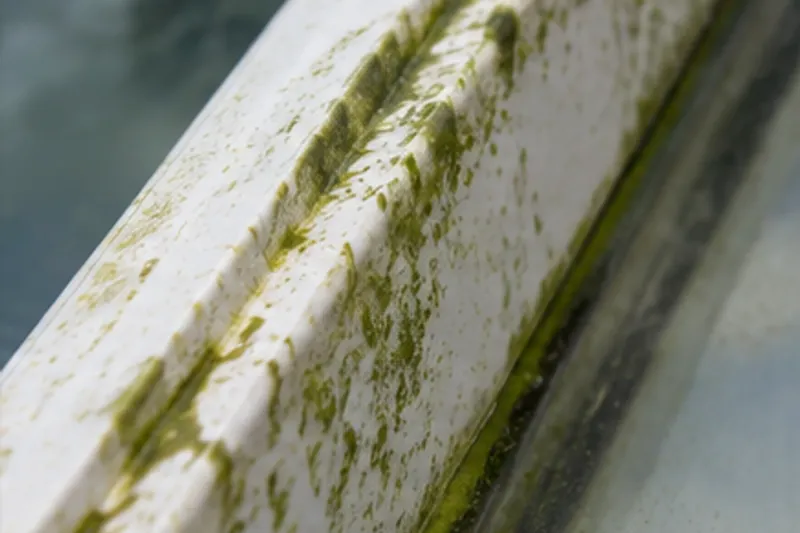
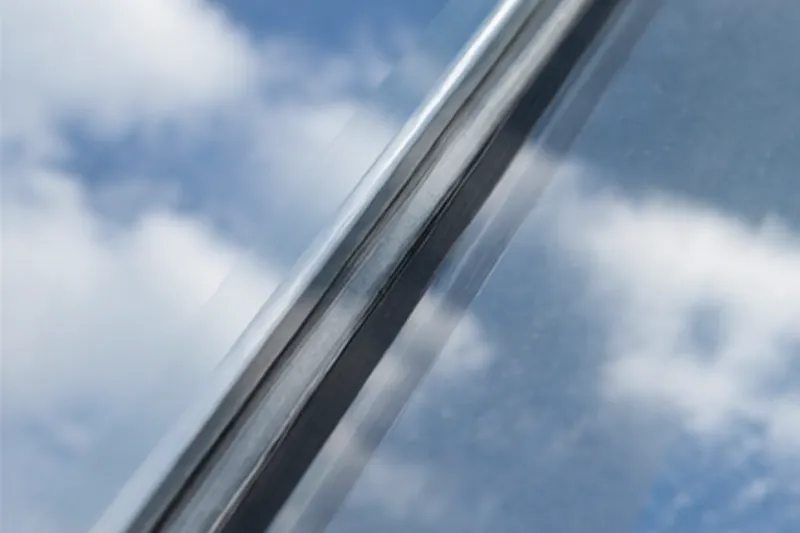
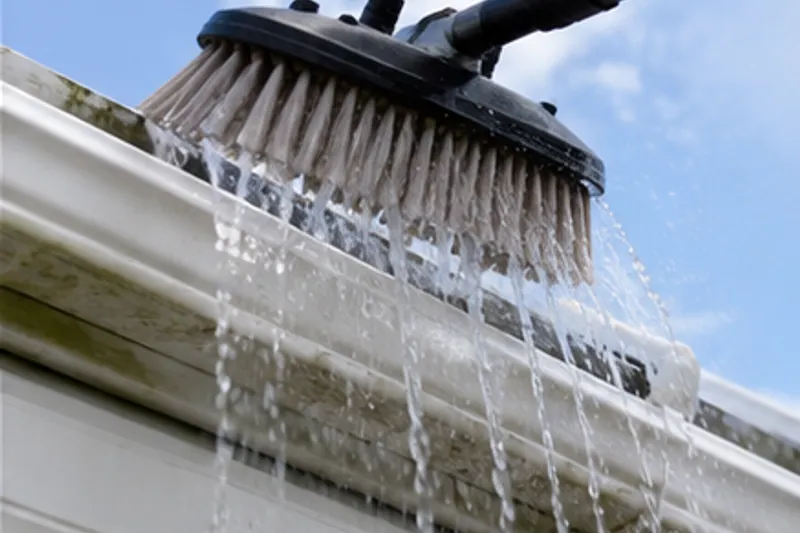
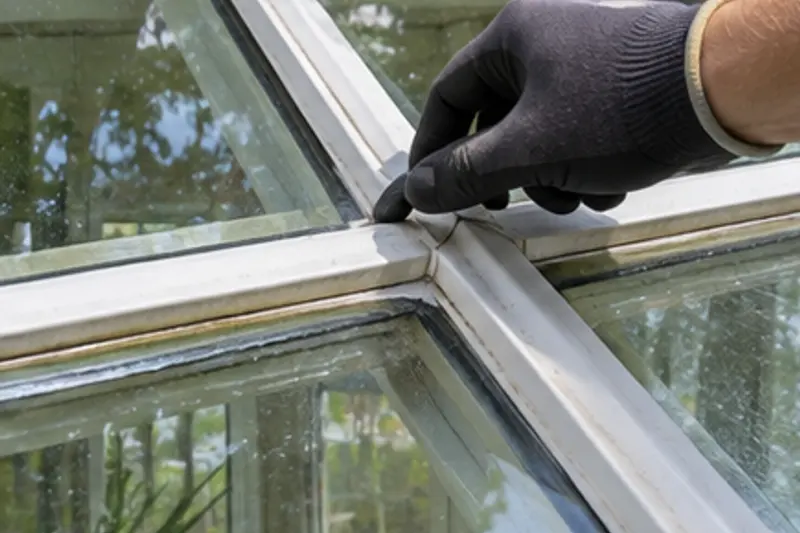
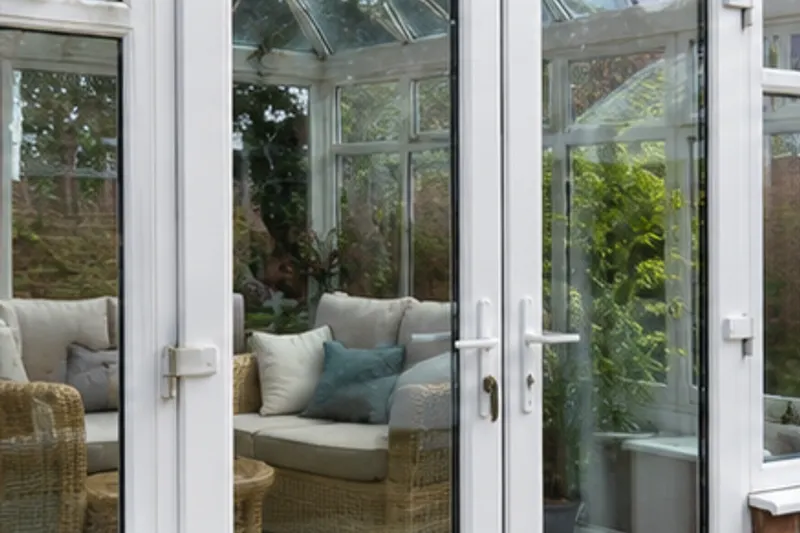
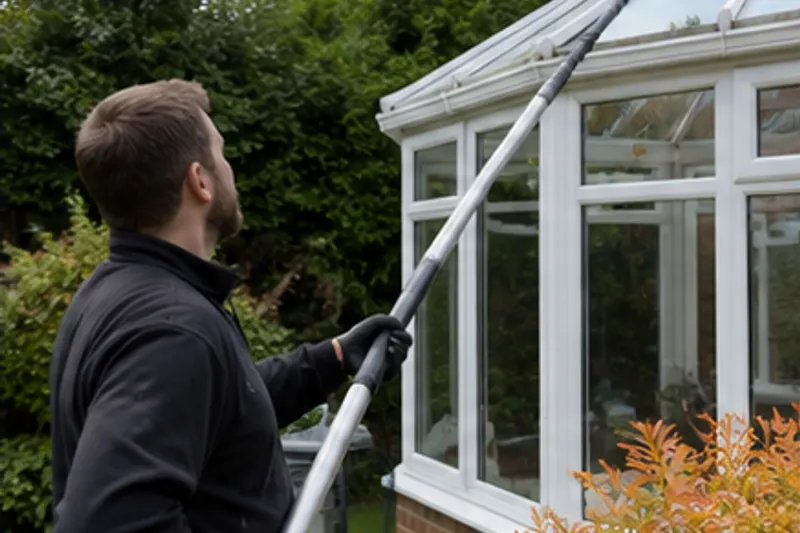
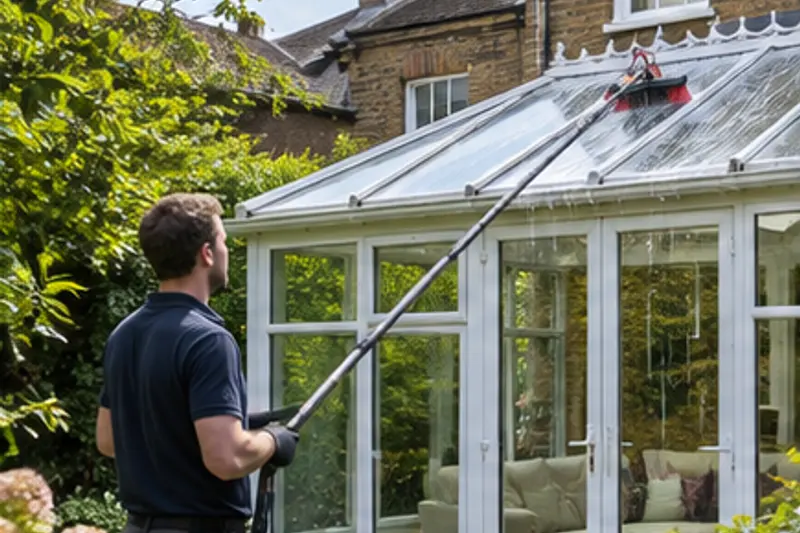
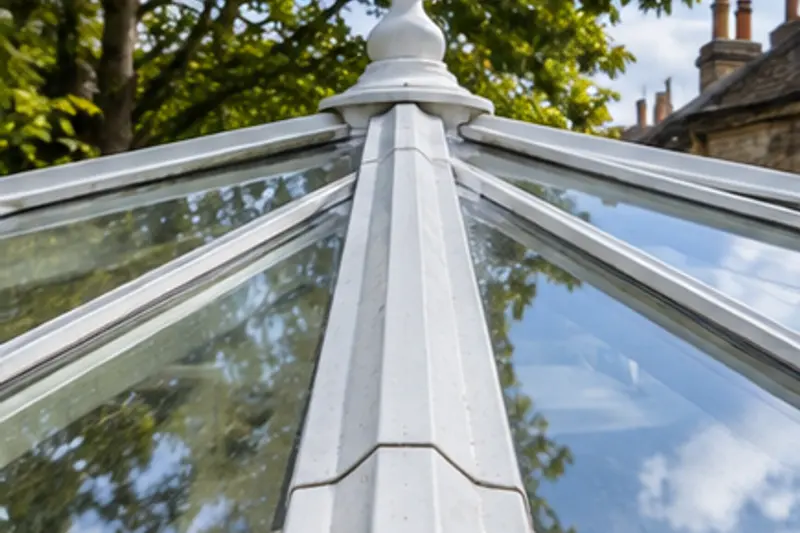
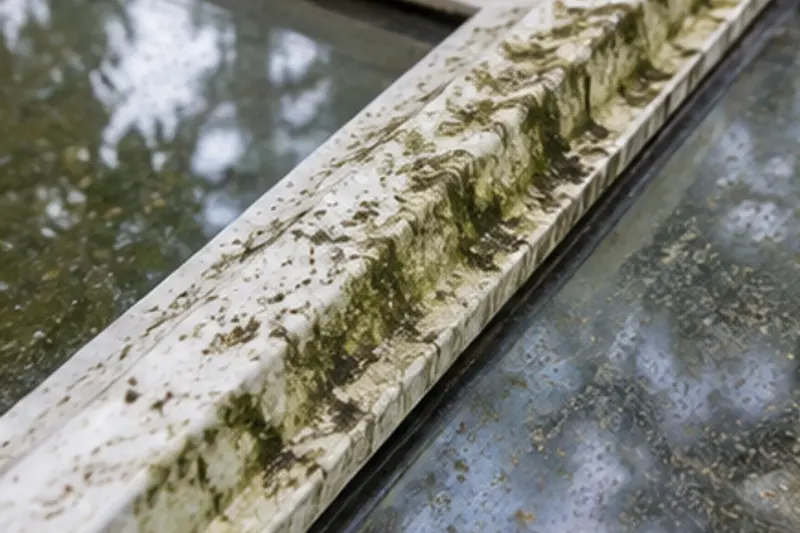
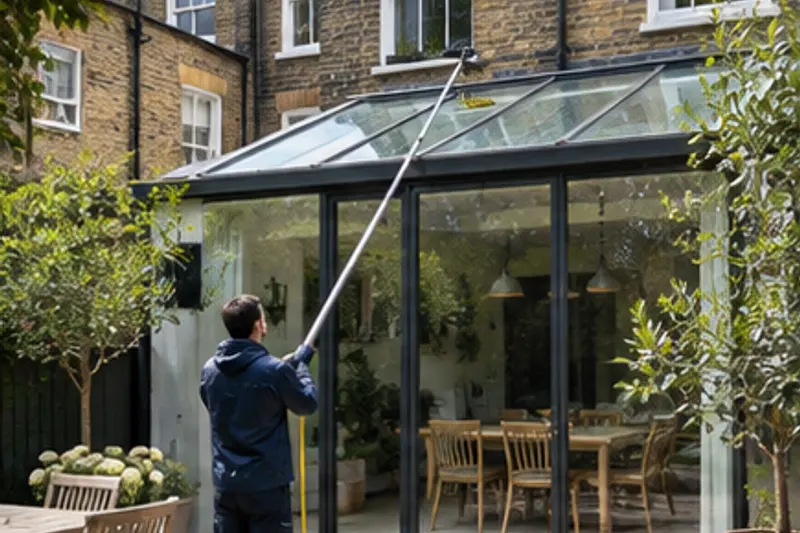
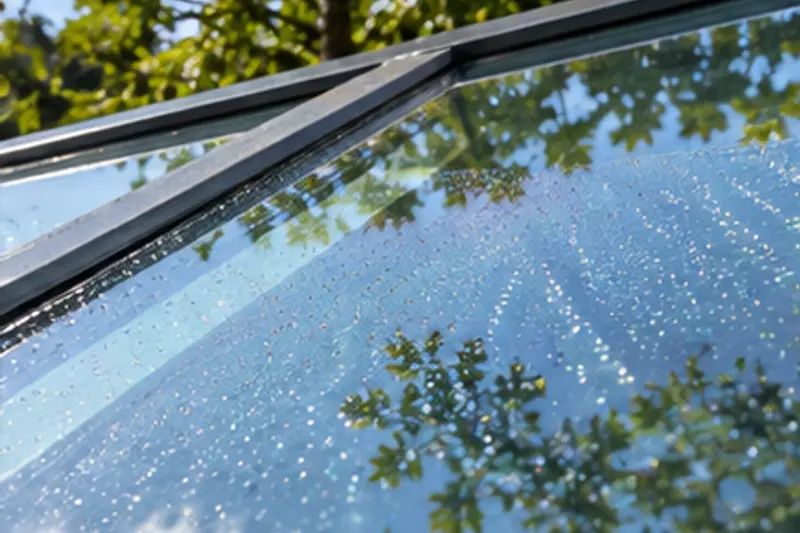
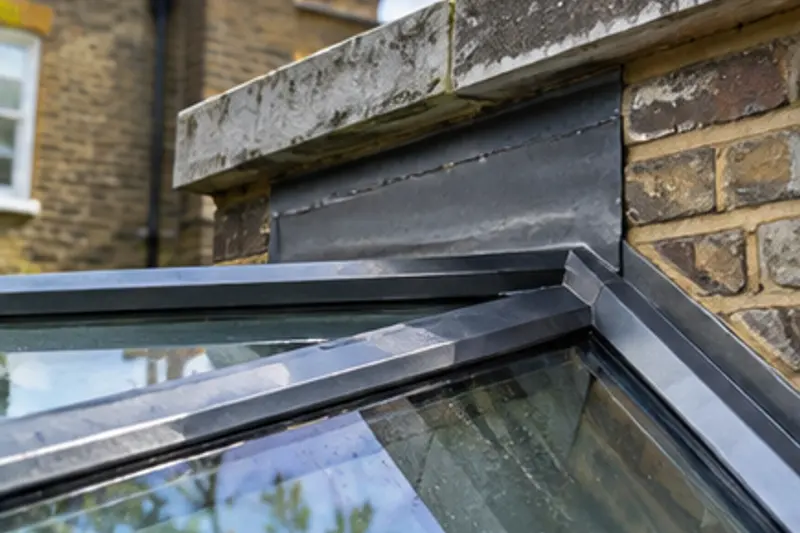
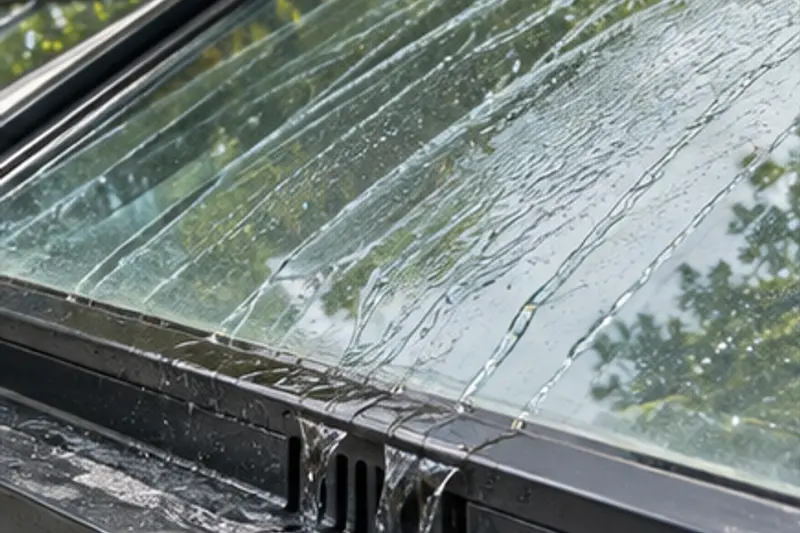
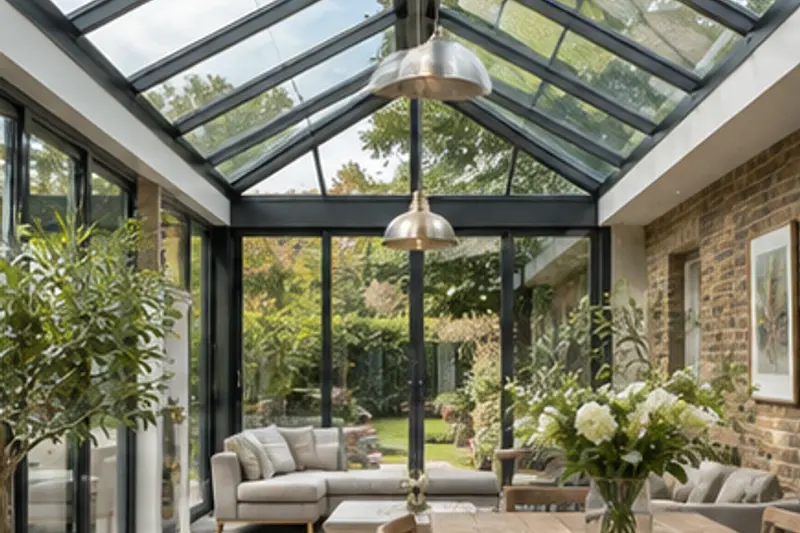
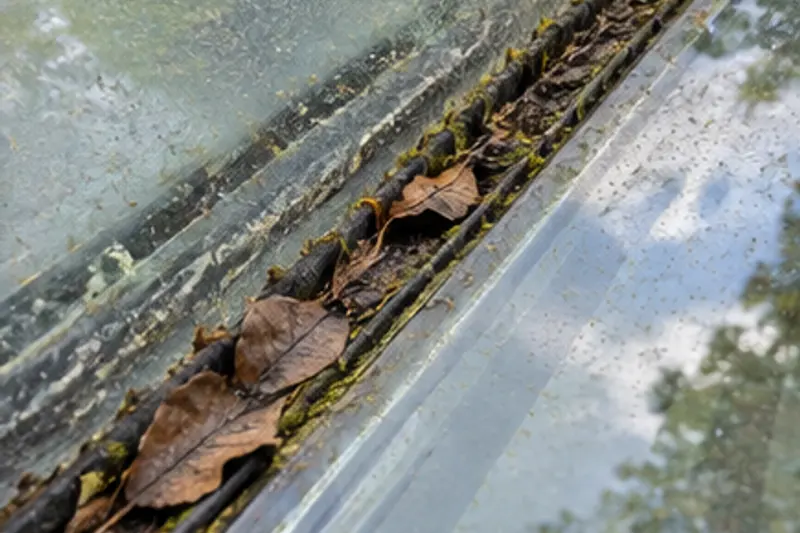
Glazed conservatory doorsTranslucent polycarbonate panelInspection from outside the conservatoryLondon garden conservatory roof actively cleaned by telescopic soft brush from groundGlass roof ridgeDirty roof glazing bar
Google Business Profile
Customer reviews on Google
Read what customers say about Shiny across London. Reviews and ratings are from Shiny’s London-wide Google profile.
This was the best window craning service I’ve ever experienced. Extremely professional, took pride in their work and left the place sparkling. Highly recommend.
Windows were cleaned to a good standard. The cleaner turned up and did the job whilst I was not in the property so appreciated that. The process was easy to book from start to finish.
I needed the external windows cleaned at the start of a new tenancy. It was easy to book and a call from the window cleaner before she started helped identify all the windows in a 1 & 2nd floor flat. The tenants are very pleased with the result. The only downside is trying to get a VAT invoice from the company (Top Window Cleaners or Fantastic Services Group). Why can’t you send the invoice as soon as you take payment??
Edmond was excellent. Even removed some high cob webs from the conservatory for me. He is friendly chap and I am amazed at the state of my windows now. Will be rebooking at regular intervals.
Felipe was excellent, he carried out the work very satisfactorily so I would recommend him BUT not the organisation of the job which was sooo painful, required a lot of energy and time from my part, many mistakes were made during the booking process, I had a lot of your customer services agents “harassing me by phoning multiple times in one single days over many days until the job was finally completed. And I really didn’t like being threatened to pay extra constantly for rebooking the service !! Can someone please phone me urgently to sort this out because I’m now ready to cancel my membership