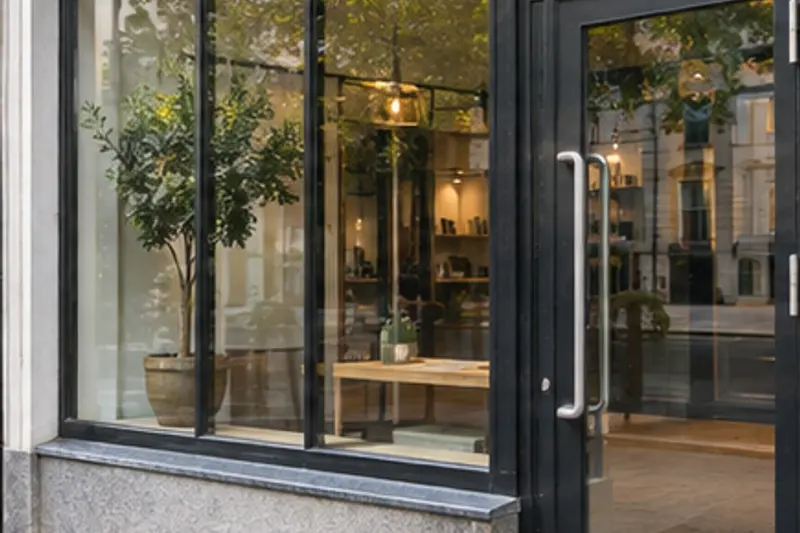
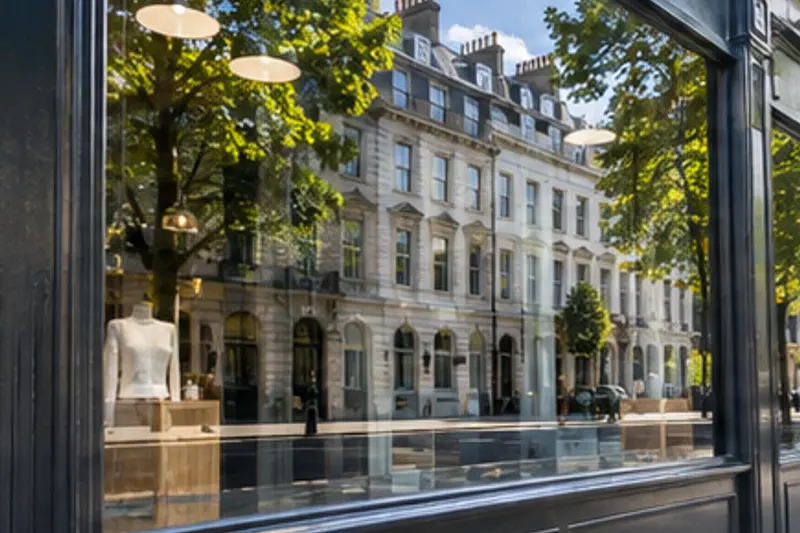
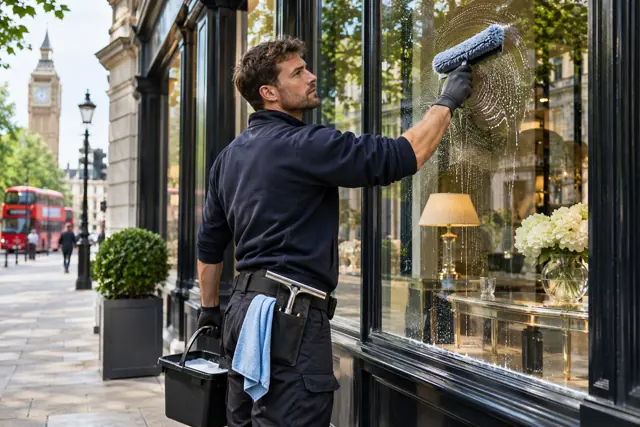
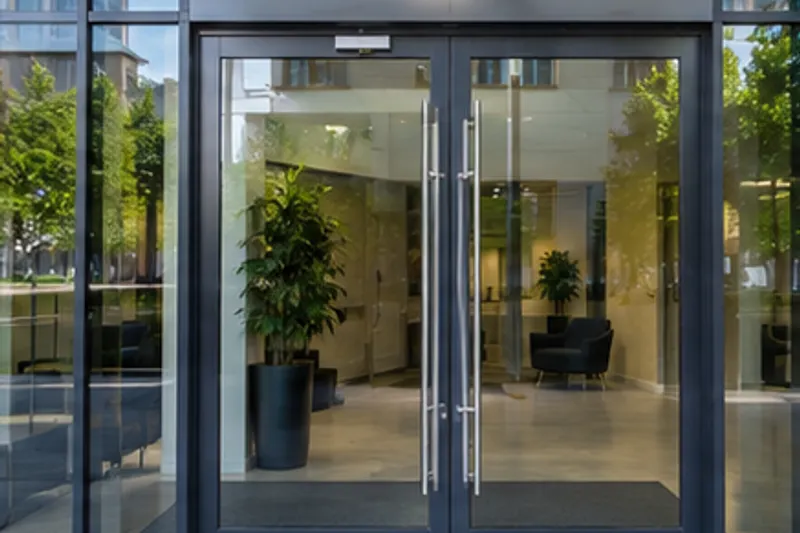
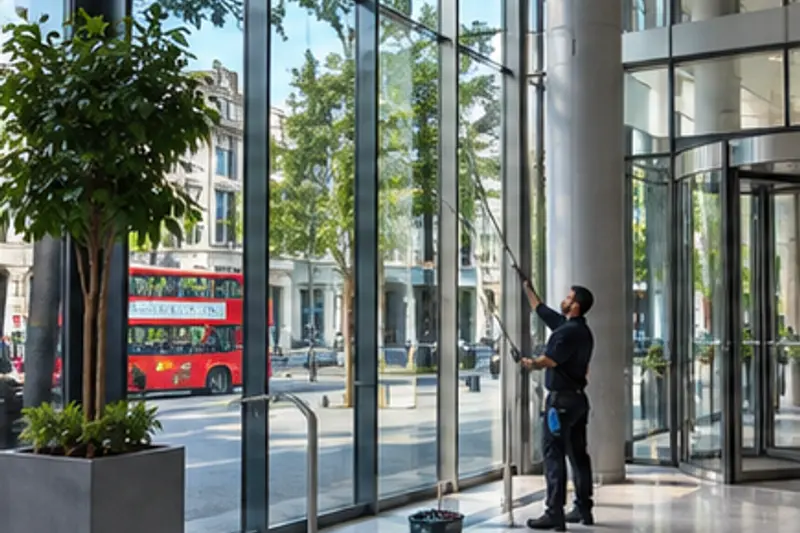
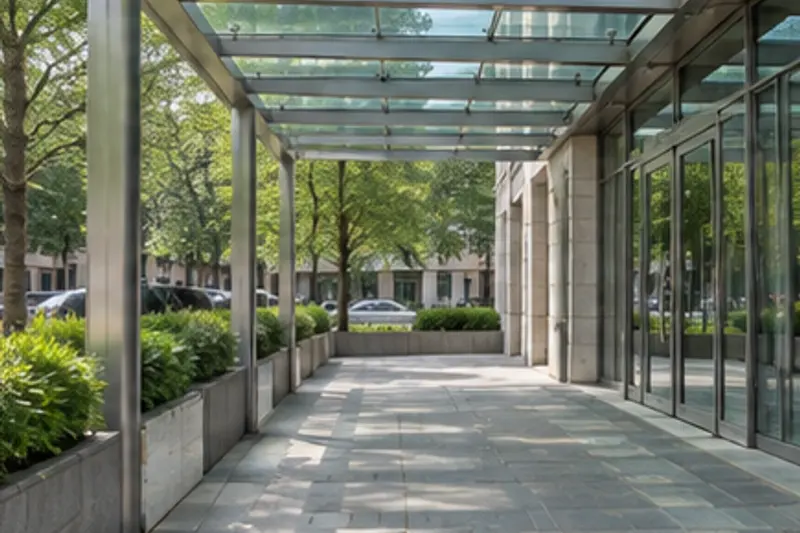
We cover London and locations within the M25. We assess the whole pane and any signs or displays behind it.
Do you need the shop to close?
We agree a time and sequence around the entry route. Some areas can be cleaned while the shop is open.
Know which part of the frontage needs attention
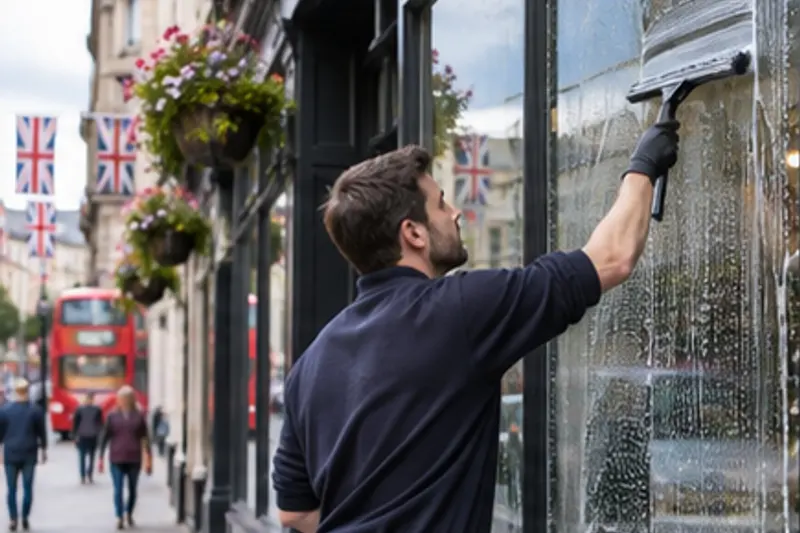
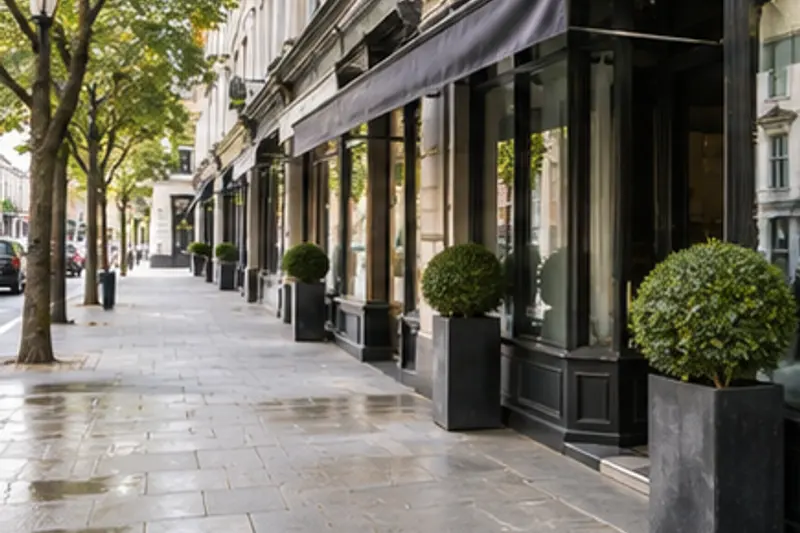
Start with the glass a customer sees when arriving at your shop. That often includes two or three fixed display panes, a doorway and a narrow panel beside it. Some premises also have glazing above a sign or beneath an awning. We ask which areas you want cleaned, whether either face is behind a display and what access there is to the pavement. If the frontage shares a doorway with another occupier, let us know who can agree the arrangements. Photos taken before the shop opens help us see shutters, benches or signs and work out whether the whole pane can be reached from the same position. We confirm the areas before we quote.
Plan around shutters, deliveries and opening times
A visit at the quietest time is only useful if we can actually reach the glass. We ask when shutters can be opened and who controls them. If deliveries use the same doorway as customers, we agree a time and order that gives everyone the space they need. The outside display can often be tackled first if the shop isn’t open yet. For the inside faces, we check when we can reach behind the display or when stock will be moved. Where a café or shop has seating, a queue barrier or an outside sign, we ask what needs to remain in place. We agree how to work past these areas before setting up.
Prepare near the entrance without closing it by default
On a busy frontage, the path to the entrance usually matters more than the arrangement of the cleaning tools. We check where people approach from and where we can place equipment without blocking that route. A narrow pavement or a recessed doorway may make it sensible to work on one panel at a time. We agree which doors need to remain open and confirm how to reach their glass safely. If a hand wash is suitable, we can keep equipment close to the pane and control the amount of water near the threshold. For any glass assessed for pole access, we consider the hose separately and look at who will pass through the working area.
Explore the work
London shopfront explorer
Fixed display
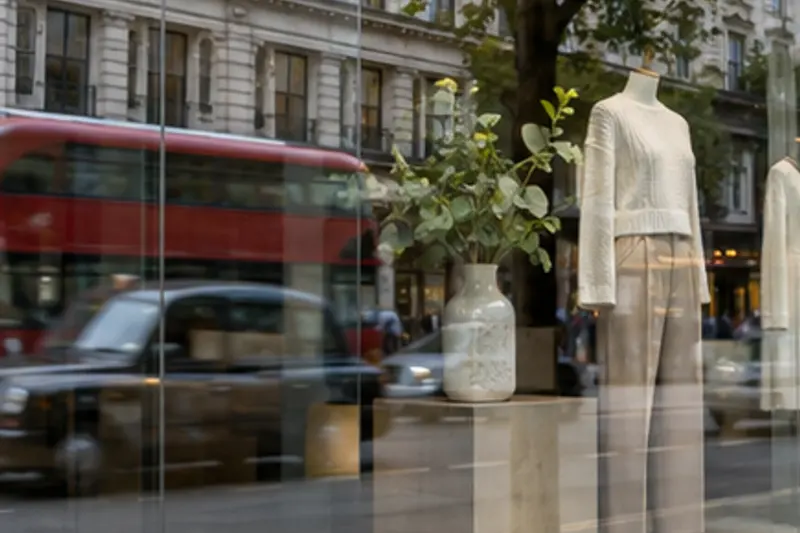
We assess the whole pane and any signs or displays behind it.
Entrance
We agree which doorway must stay available.
Above the sign
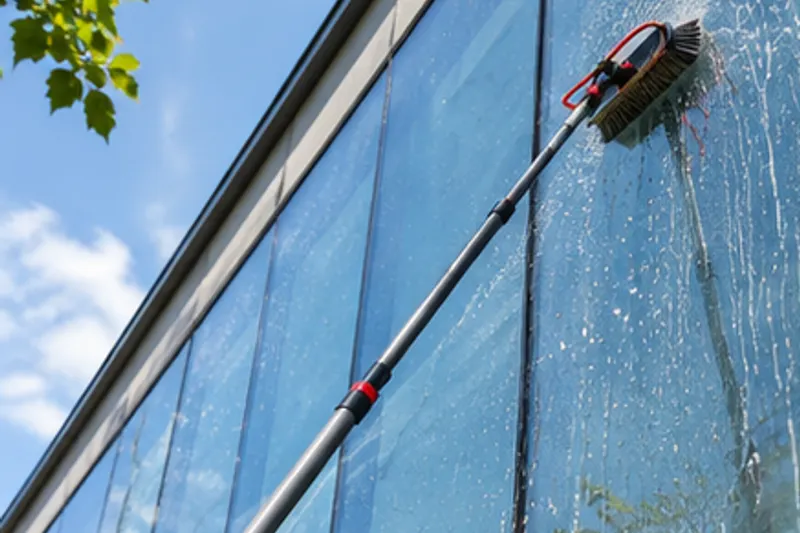
We check access separately around awnings and shutters.
Commercial glass dirt inspector
Street film
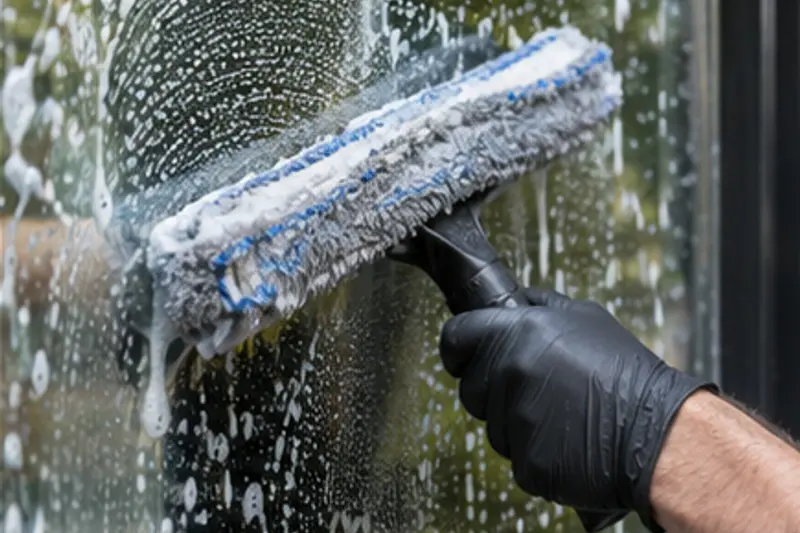
A hand wash and blade suit reachable panels.
Fingerprints
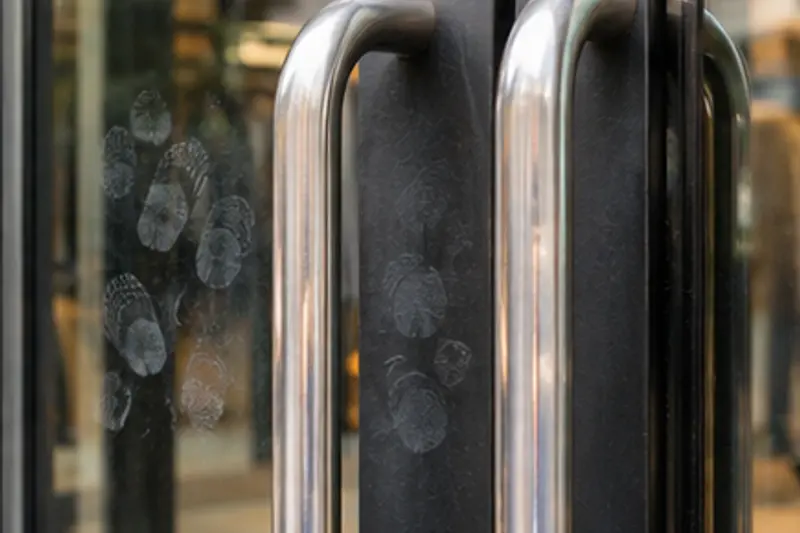
We focus on touch points without wetting fittings unnecessarily.
Adhesive
We check where it sits and whether a surface finish is involved.
Shopfront frequency planner
High footfall
Doors may need a shorter interval than fixed panes.
Sheltered frontage
Review how quickly film and handprints become visible.
Separate visits
Agree a regular clean for entrances and a different interval for upper panes.
Opening-hours planner
Before opening
Confirm the shutters and keys will be available.
Quiet trading period
Agree a sequence that preserves the entrance route.
After close
Confirm the closing time and who can let us into the shop.
Match the wash to the marks on each face
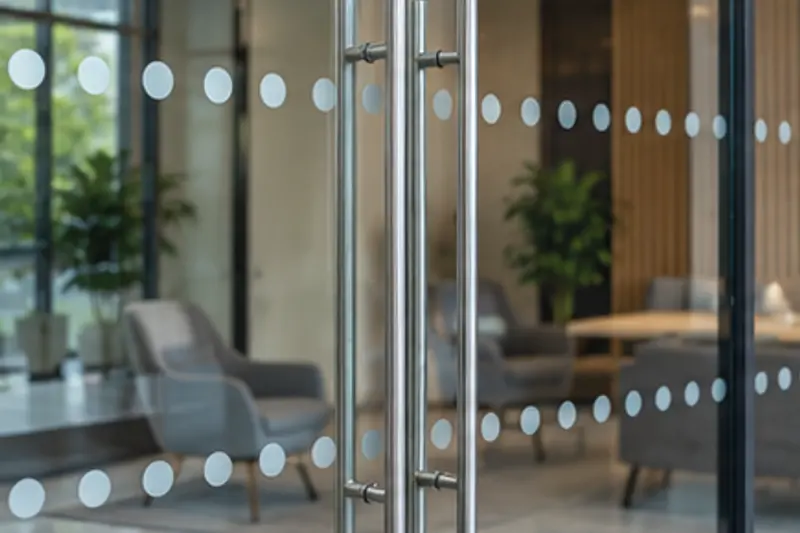
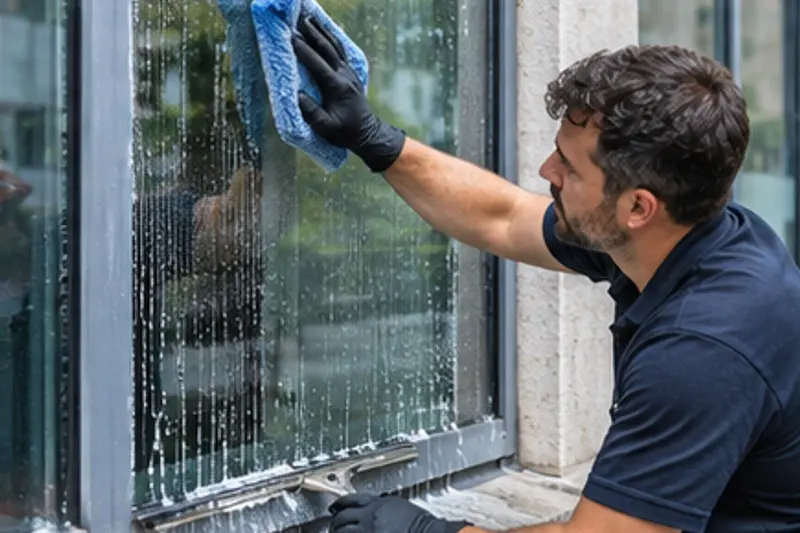
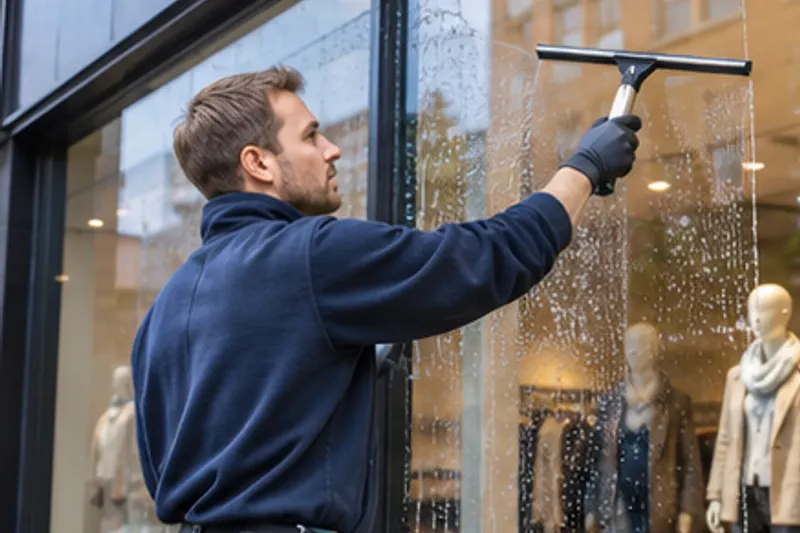
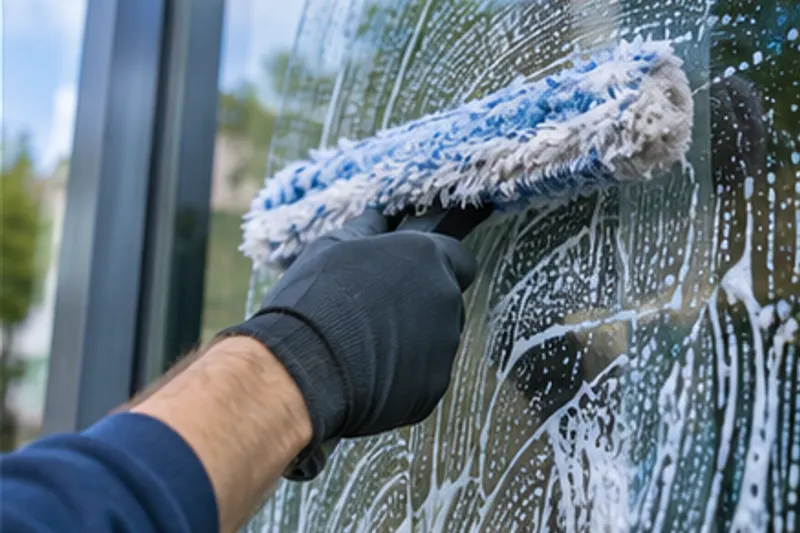
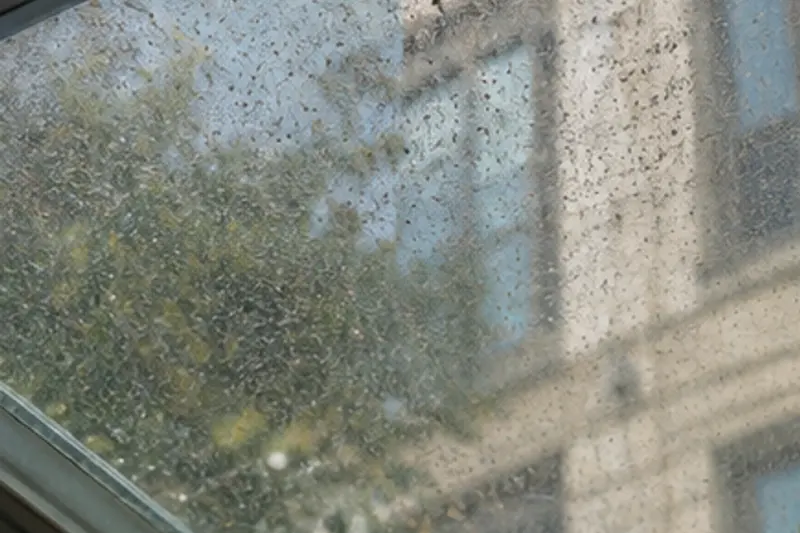
Road-facing glass can carry a fine film from passing traffic. The room side often needs attention around handprints, door handles and the edges of displays. We check both faces independently where they’re included, and use a hand washer and squeegee on suitable panes. The washer lifts surface dirt, while a blade draws the used water off the glass. On door panes, we control moisture near the lock, handles and floor. If a pane has an applied film, signs or lettering, we first confirm which face carries them and look at their condition. We avoid assuming that the same tools can be used across both faces simply because the glass looks alike from outside.
Work around display fittings and fixed panes
A display window may have shelves, fitted lighting or a plinth close to the glass. We need enough room for the tool and a safe area immediately below the pane. We ask whether the inside faces behind fixed displays can be reached and whether anything needs to be moved by shop staff. Above the main frontage, higher glass might be separated by a projecting sign or awning. We assess those panes in their own right. On the outside, lower trim and door frames can collect runoff from the display. Where those parts are agreed, we make space to check and finish them after washing nearby glass. This keeps the booking tied to the actual frontage rather than the number of openings alone.
Decide what needs a repeat visit
Glass near a busy door may show handling marks sooner than a fixed display pane. We can arrange the entrances and most visible parts of the frontage on one interval and discuss a longer interval for other glazing. A site with a sheltered approach may need a different routine from one facing a busy road. The first visit is a chance to see where dirt is really collecting and whether the agreed access time works for the shop. If seating, displays or opening hours change, let us know before the next visit. That gives us time to update which working position or entry route suits the frontage and avoids treating every appointment as though the building were empty.
Check the display from the street side
After we finish reachable glass, we look across the pane from a useful angle to check for missed film and drops at the lower edge. At the doorway we also check for water where someone is likely to step. We wipe agreed, reachable margins where moisture collects close to the frame. If signage prevents access to one part, or if there’s old adhesive that needs separate assessment, we explain which pane is affected. Damage or a mark that stays after the normal wash is reported separately from the result of the cleaning. On a regular visit, these observations help us keep the agreed work clear and identify any changes the person responsible for the shop may want to arrange.
Tell us about the frontage when requesting a quote
Send the postcode and a short description of the display panes, entrance glass and anything higher up you’d like included. You can mention which side is most important and whether both faces need to be done. A note about shutters, parked cars, outside seating or difficult pedestrian access is helpful. For a first visit, a photo from the pavement usually shows the part of the frontage that matters. If you have more than one shop, give us each address and opening schedule separately. We agree the right visit for the shop and can discuss what should happen more or less often once the initial cleaning and access arrangements have been established.
Draw up the first visit around the shop itself
For a single small frontage we can often agree a list of panes from photos and a short description. For a row of display bays or a building that shares the entrance with other tenants, we may need more detail about how the frontage is used. Ask the person responsible for the property which glass belongs to your shop and whether upper glazing should be considered. Dimensions help, but entry times and barriers can change the work more than the size of one pane. Once we agree those details, we know where to start when we arrive and can explain how the job is priced.
Google Business Profile
Before booking a shopfront clean
If the display glass needs attention but the door has to stay open to customers, tell us when the shop is busiest. You can also see how people have rated Shiny’s across London. Reviews and ratings are from Shiny’s London-wide Google profile.
This was the best window craning service I’ve ever experienced. Extremely professional, took pride in their work and left the place sparkling. Highly recommend.
Windows were cleaned to a good standard. The cleaner turned up and did the job whilst I was not in the property so appreciated that. The process was easy to book from start to finish.
I needed the external windows cleaned at the start of a new tenancy. It was easy to book and a call from the window cleaner before she started helped identify all the windows in a 1 & 2nd floor flat. The tenants are very pleased with the result. The only downside is trying to get a VAT invoice from the company (Top Window Cleaners or Fantastic Services Group). Why can’t you send the invoice as soon as you take payment??
Edmond was excellent. Even removed some high cob webs from the conservatory for me. He is friendly chap and I am amazed at the state of my windows now. Will be rebooking at regular intervals.
Felipe was excellent, he carried out the work very satisfactorily so I would recommend him BUT not the organisation of the job which was sooo painful, required a lot of energy and time from my part, many mistakes were made during the booking process, I had a lot of your customer services agents “harassing me by phoning multiple times in one single days over many days until the job was finally completed. And I really didn’t like being threatened to pay extra constantly for rebooking the service !! Can someone please phone me urgently to sort this out because I’m now ready to cancel my membership
We assess the whole pane and any signs or displays behind it.
Entrance
We agree which doorway must stay available.
Above the sign
We check access separately around awnings and shutters.
Shopfront frequency planner
Condition or arrangement
What we consider
High footfall
Doors may need a shorter interval than fixed panes.
Sheltered frontage
Review how quickly film and handprints become visible.
Separate visits
Agree a regular clean for entrances and a different interval for upper panes.
Shop front cleaning estimate
The published range for small commercial premises includes small retail shops. Large glass areas, restricted working hours or additional faces may change the quote.
Premises
Estimate per visit
Small retail shop
£50–£100
Larger or complex frontage
Individual quote
Surfaces and access
Illustrations of the work and the surfaces we assess.
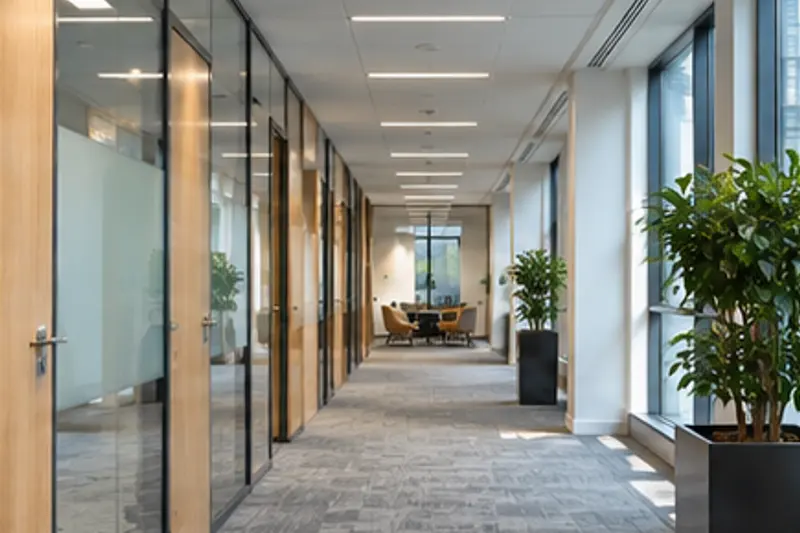
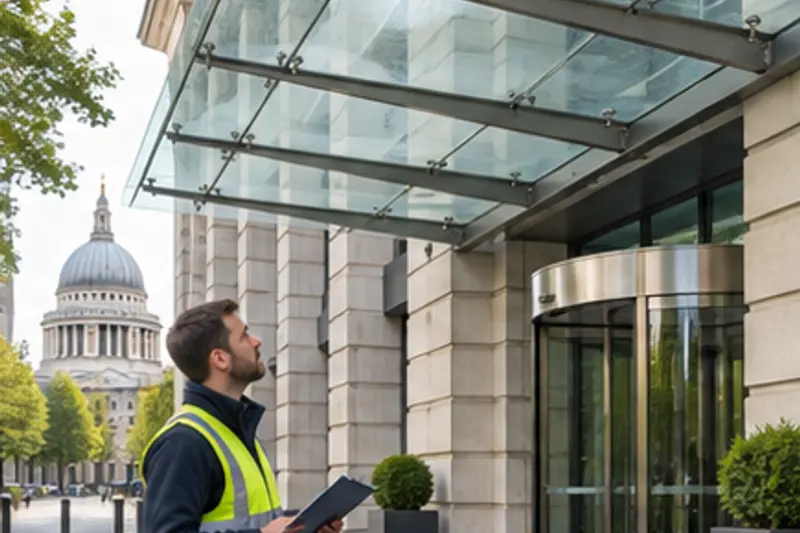
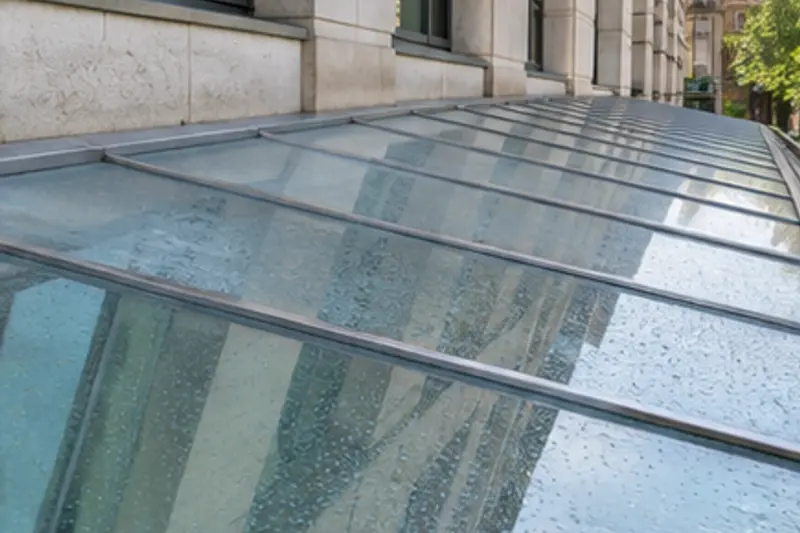
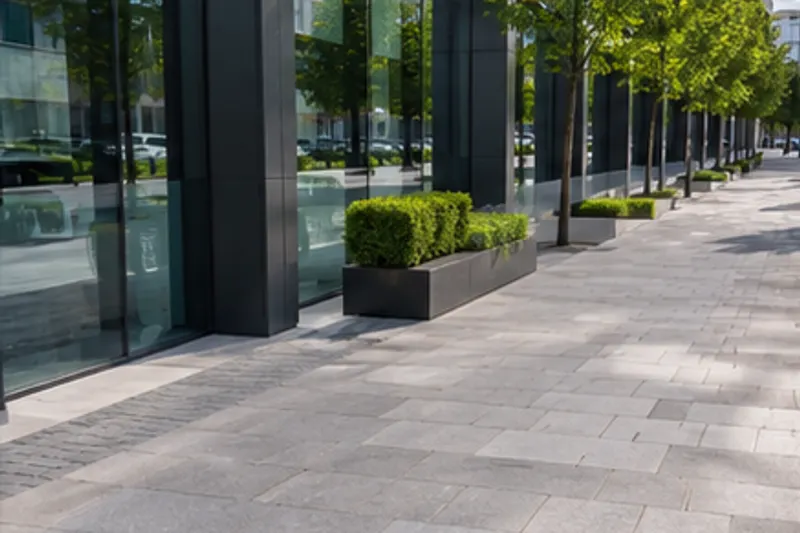
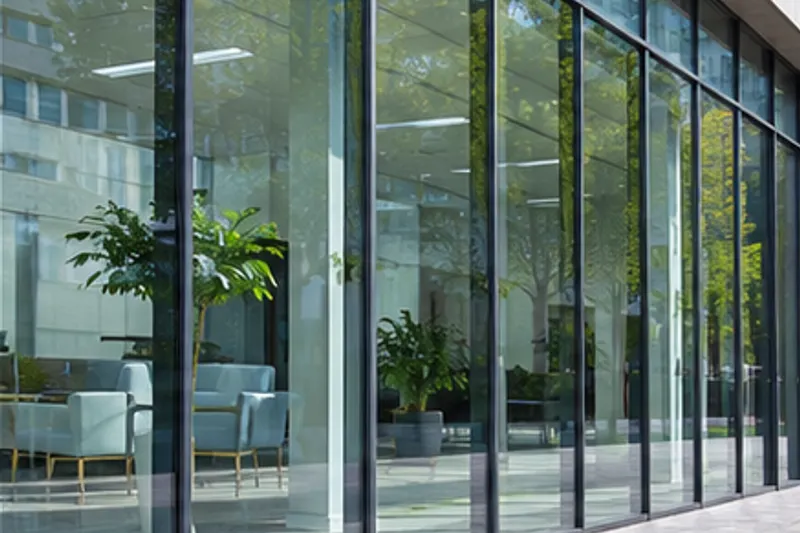
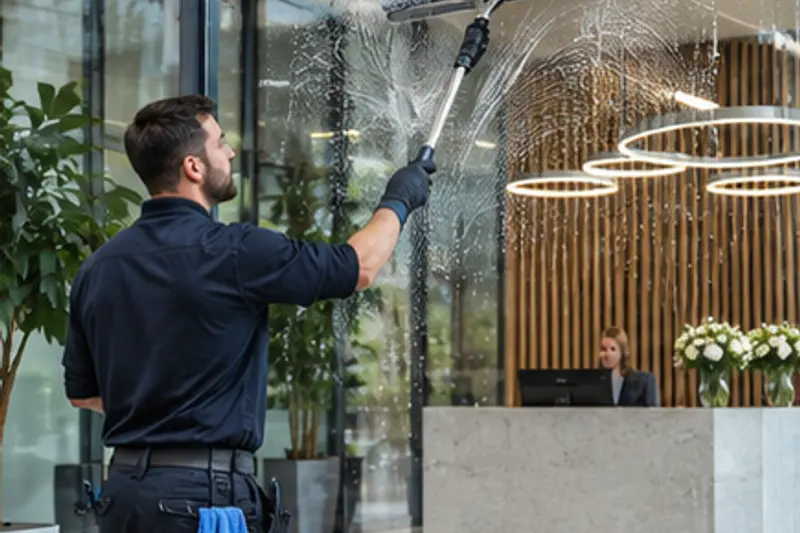
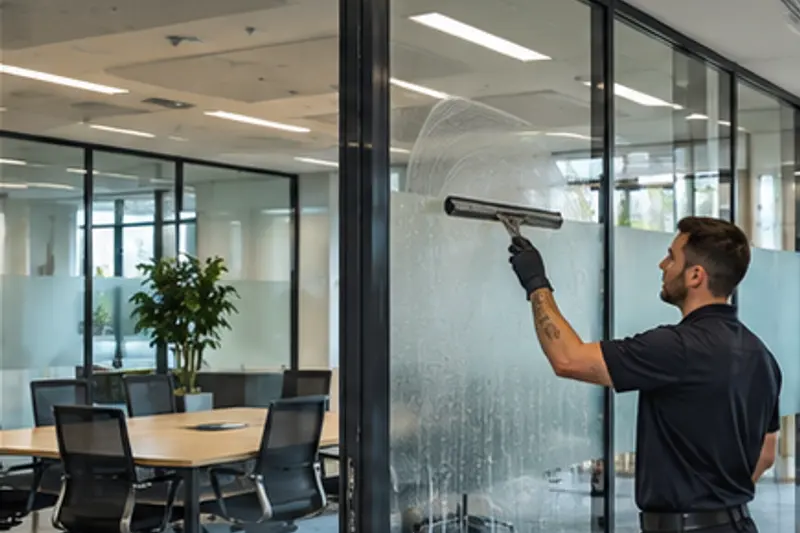
Public approach to an officeHigh office glazing viewed from the groundGround-floor commercial glazing baysLondon office with professional washing reception glassMeeting room partitionsAccessible lobby glazing
Questions before booking
Do you need the shop to close?
We agree a time and sequence around the entry route. Some areas can be cleaned while the shop is open.
Can you wash display glass behind fixed shelving?
We check the accessible surface before including it. Tell us about fixed displays in advance.
What about decals and vinyl lettering?
We identify the face carrying the lettering and assess its condition before working around it.
Can I book just the doors more frequently?
Yes. We can discuss an interval for frequently touched door glass and a different one for the display panes.
Does the sign itself get cleaned?
Please identify any signage in your enquiry. It is assessed separately from shopfront glass.