Set shopfront timings from openings and deliveries
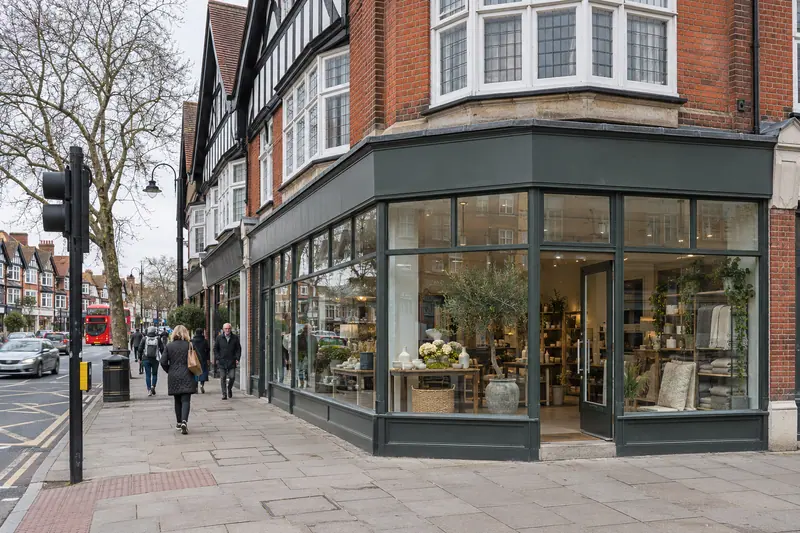
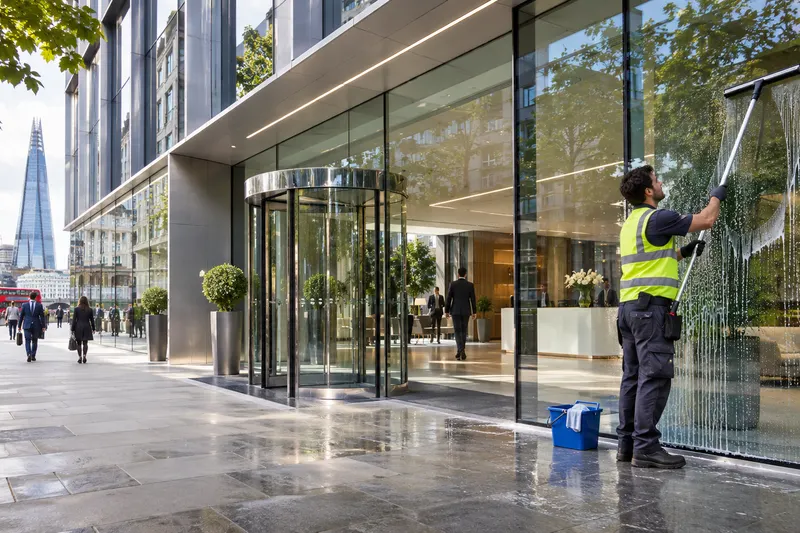
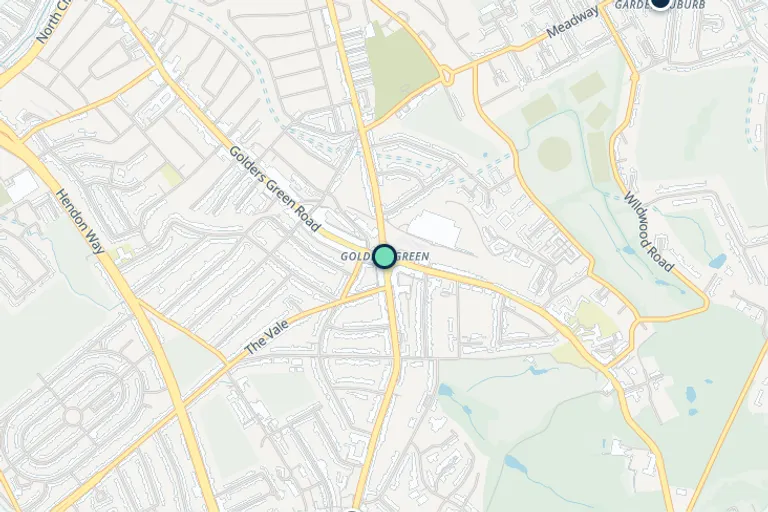
Golders Green’s principal roads meet around a shopping centre with several parades. At an individual shop, the relevant timing is determined by the doorway and who uses it. Tell us when people start coming in, which door a delivery driver uses and whether there is a return pane beside the display. If the adjoining doorway leads upstairs, tell us whether it has to stay open while the frontage is being cleaned. The upper glass over the shop door can have its own access question because the useful position below it is on the passage into the premises.
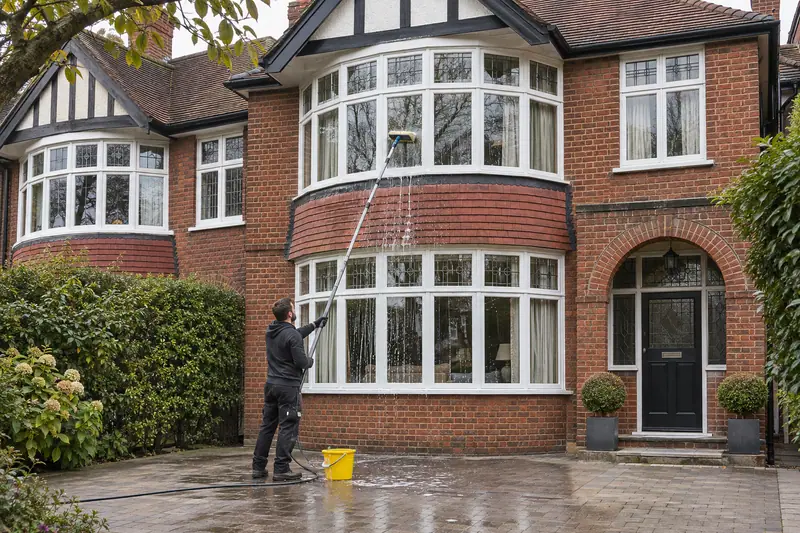
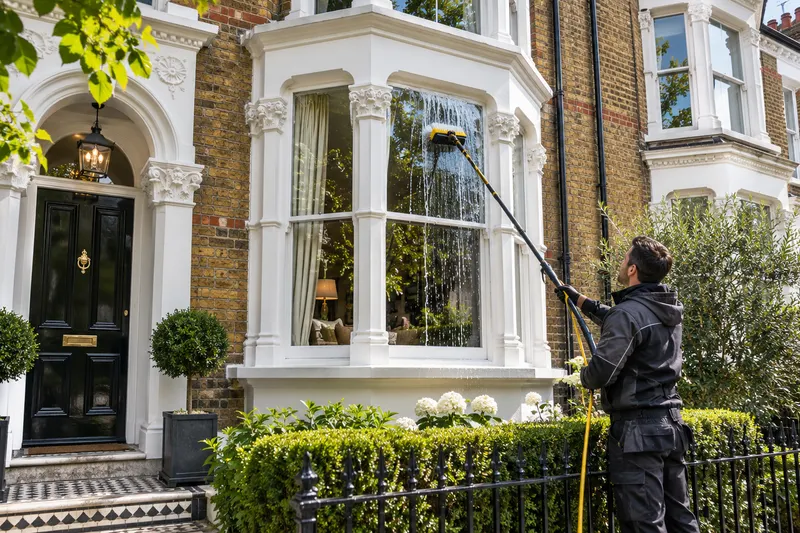
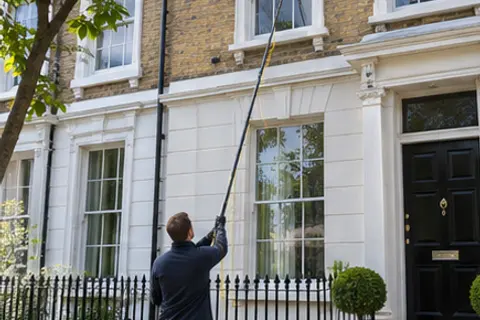
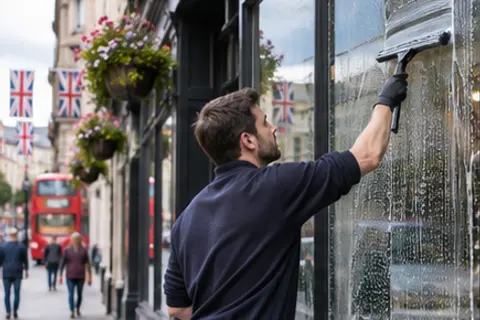
For shopfront cleaning we identify the outside and inside faces and agree who can move stock where it stands close to the glass. We use a suitable hand tool on reachable surfaces where keeping control of moisture around the threshold matters. If the pane is higher or recessed, we discuss what is possible from a secure position that leaves the approach usable. We check the edges and collect moisture near the doorway before leaving. If the inner faces need a different working time, we can discuss a separate visit or an order for the work that fits the way the shop operates.
Check visible marks before promising additional treatment
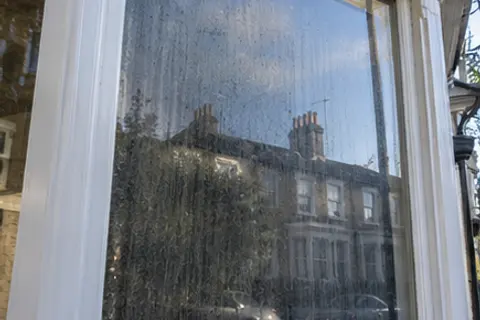
At the beginning we ask why the glass is being cleaned and whether a particular mark is the reason for the visit. An old drip below a canopy can leave pale material on the pane, while paint or adhesive can be attached in a different way. We look at the accessible glass after a routine wash and discuss what remains visible. A pale area may sit in a coating or between sealed panes. A wash and rinse treat everyday surface material. If the mark needs a different inspection, we agree that before adding any work.
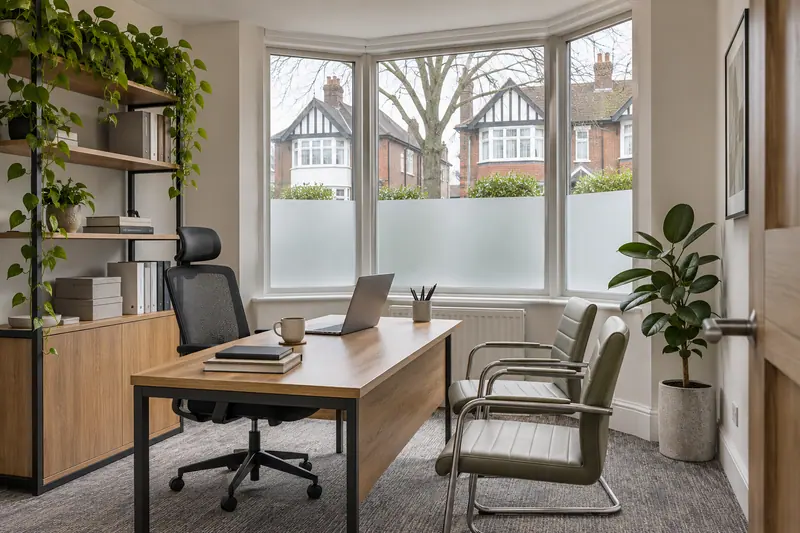
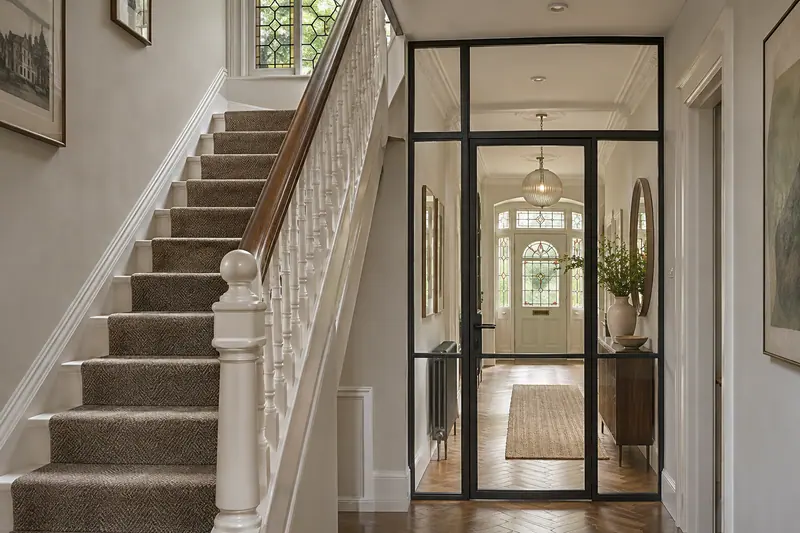
For a business with several doors, give the location of the mark in the same list as the agreed faces. For a home, a photo and room name help distinguish one window from its neighbour. At the end we review the agreed surfaces from useful angles and explain any visible limitation. If the approach was temporarily blocked, we record what would need to change before the remaining face can be agreed. A note about a route, film or fragile finish can be used again for later visits, provided the circumstances have not changed. Tell us if an opening or fitting is replaced between appointments.
Give the quote enough detail to distinguish neighbouring premises
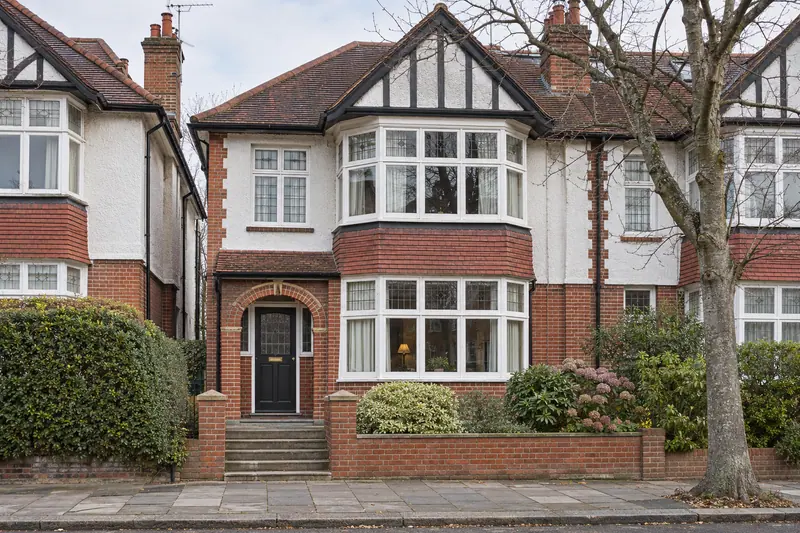
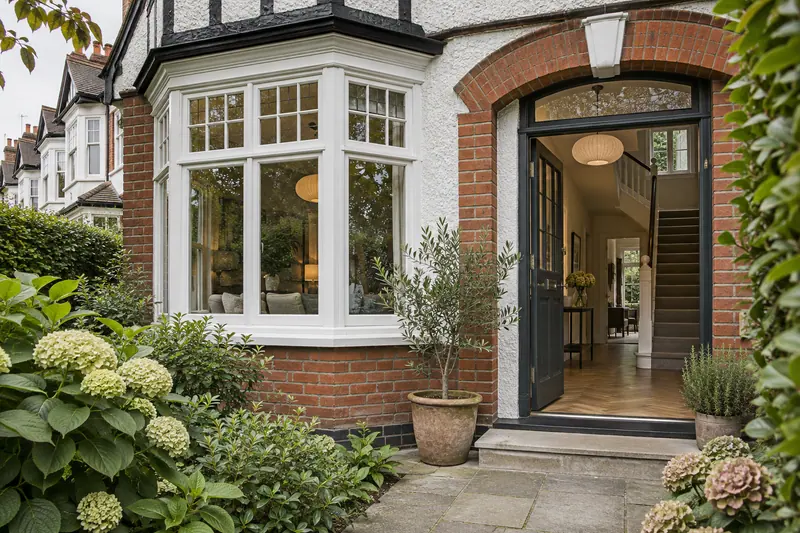
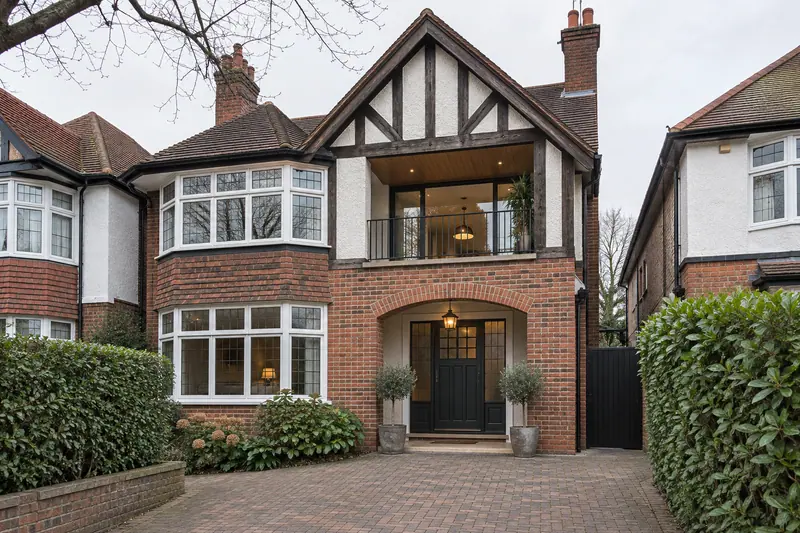
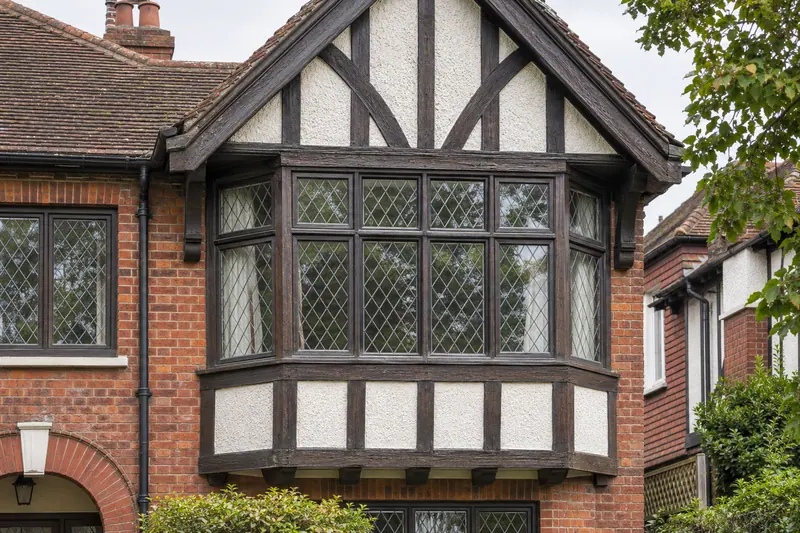
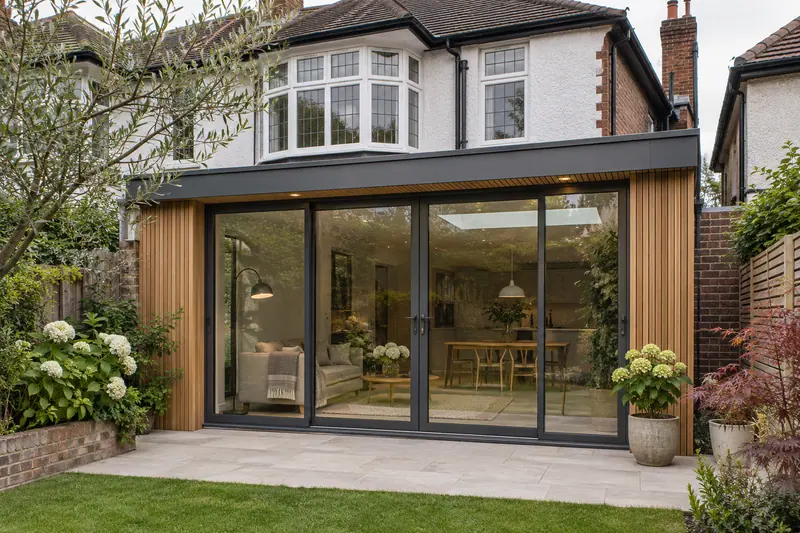
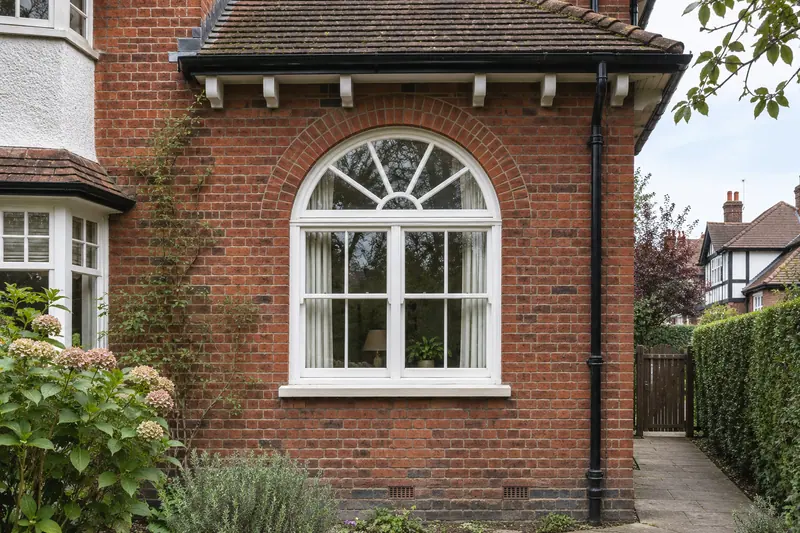
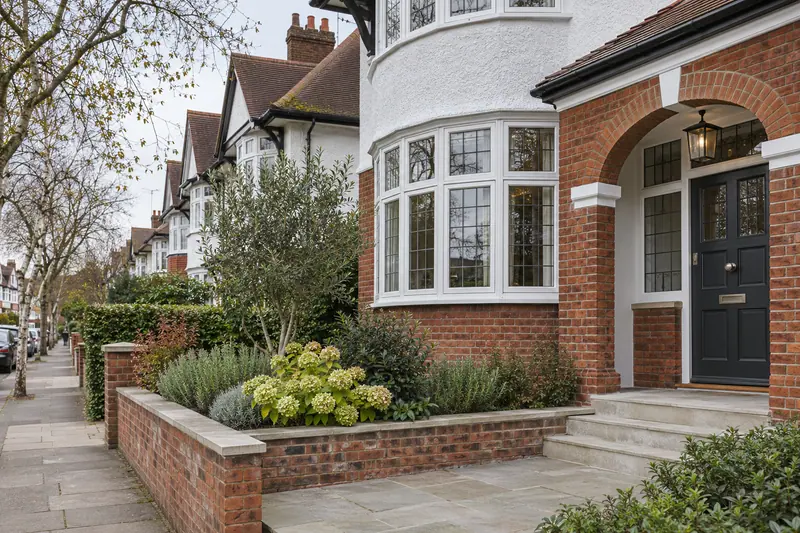
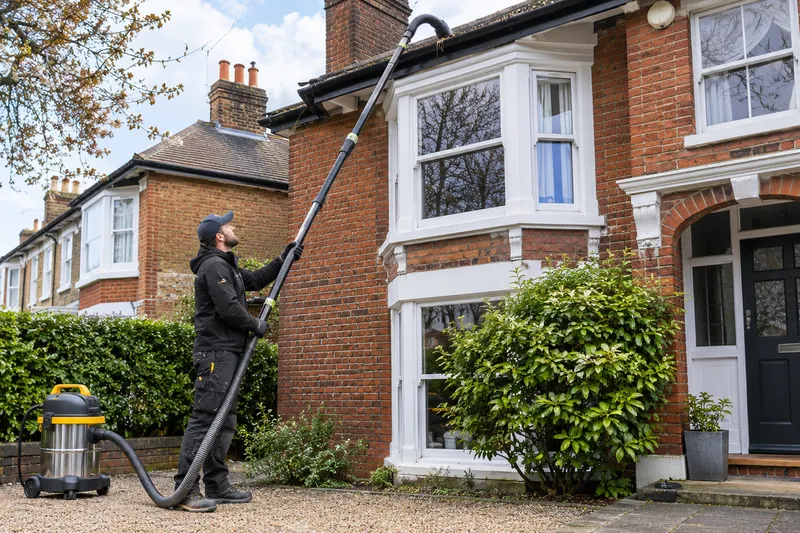
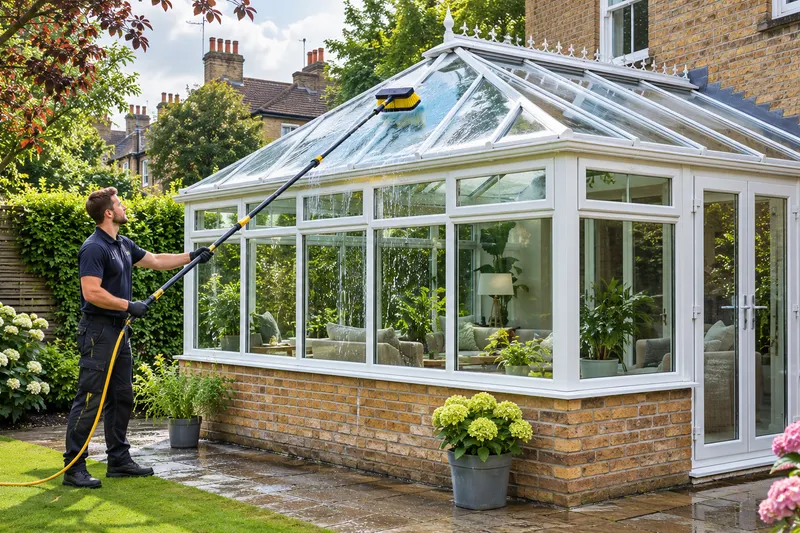
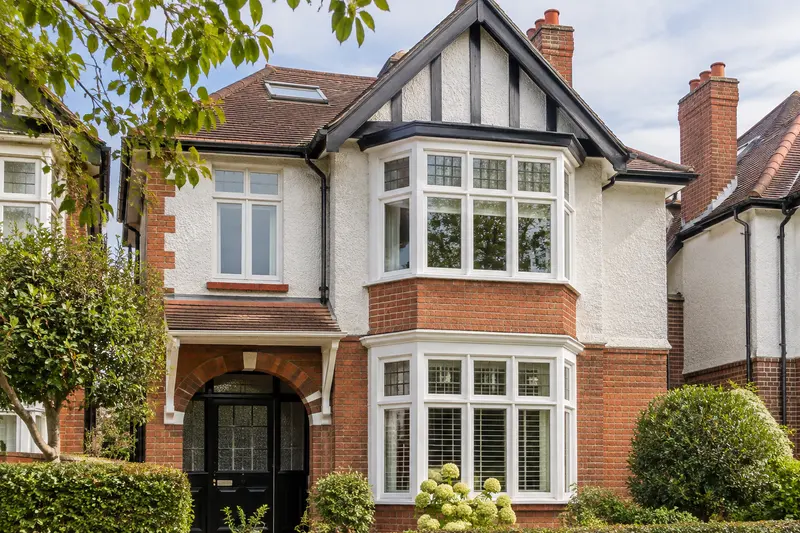
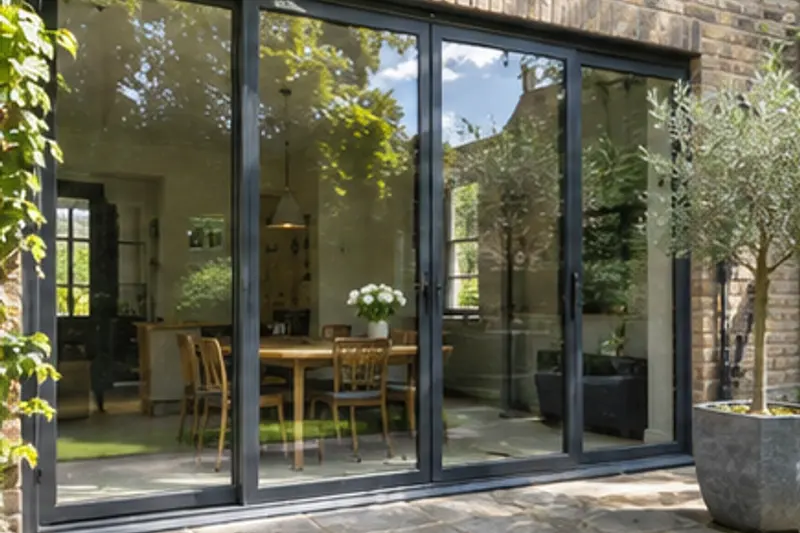
A shared postcode may cover more than one type of building. When you send photos, identify which entrance belongs to the home or business and describe the level of the glass. A street-level shop may involve the display, glazed door and a high top light above it. A home can have a bay, a rear garden room and several inside windows with different access. List what you want assessed and say which pieces only need the outer face. The window cleaning pricing guide explains why working space, numbers of faces and condition can affect the quote.
For repeat visits, tell us what shows marks first. A door handle can bring hands close to the same part of a pane while a sheltered upper window may build up dirt more slowly. We discuss how often to wash each group and whether some inside surfaces can be attended to separately. When booking a visit through the business contact or a caretaker, make sure they have the glass list and know which space is needed. It saves the customer from having to remember every pane while someone else is on site, and lets us confirm the same details at handover.