Agree the building contact for a shared lobby
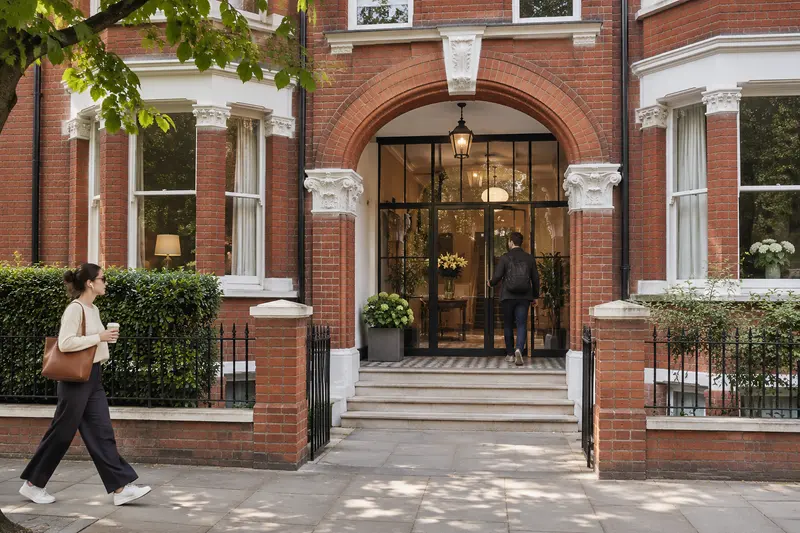
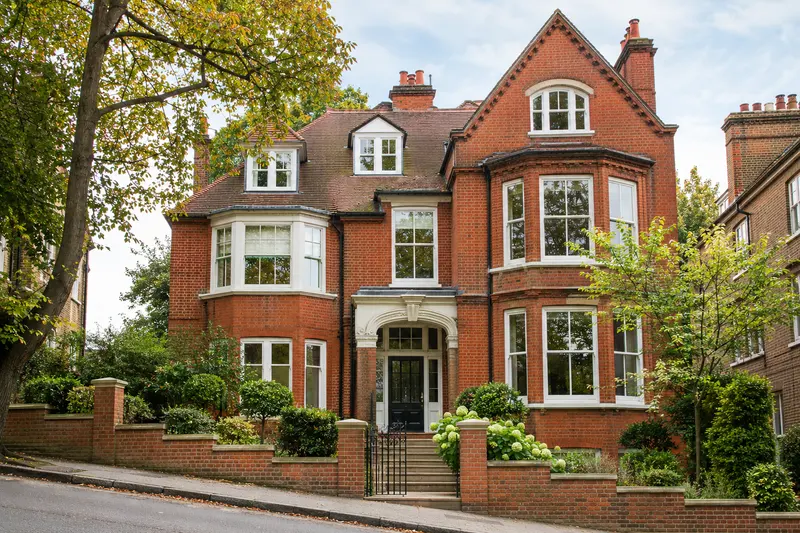
Older purpose-built flats as well as converted villas have glazed entrances. An outer door might share its approach with a fixed screen and an internal door. Identify which panes face the street and which belong to a communal lobby. Confirm who can give access and why the glass needs doing now. A visit for the outside of a single flat does not automatically include the shared route. If the building has an existing arrangement for some external glass, check which faces are already covered.
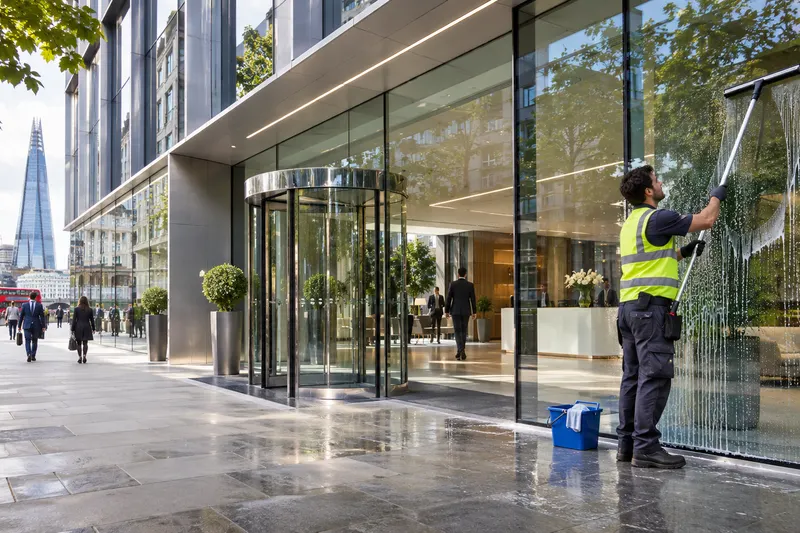
Tell us about reception hours, deliveries and the most practical time to use the doorway. Before work, we check the agreed position and how people will pass. We choose tools that fit the accessible glass and collect moisture near the threshold where needed. After work we leave the doorway clear and confirm the faces cleaned. Our commercial window cleaning page outlines details a building contact can send when arranging several communal areas.
Choose when to work around a small display
A shop or café display can have a narrow sidelight or a recessed door that shares working room with the main pane. Opening hours tell us only part of the story. Confirm when staff set out stock, when deliveries arrive and whether the inside face is reachable without disturbing fixed fittings. If only a section beside the door needs attention, we can discuss that pane by itself. Glass above the display should be listed separately so we can assess the angle and available space.
Before cleaning, we agree the usable threshold and choose where the equipment can go. Water around a shop door needs particular control when people use the same space. At the end we check edges and leave the entrance in its normal condition. Read shop front cleaning for display, sidelight and entrance details. If the same building has other occupiers, identify who needs to know when we arrive.
Put the panes and access information in one place
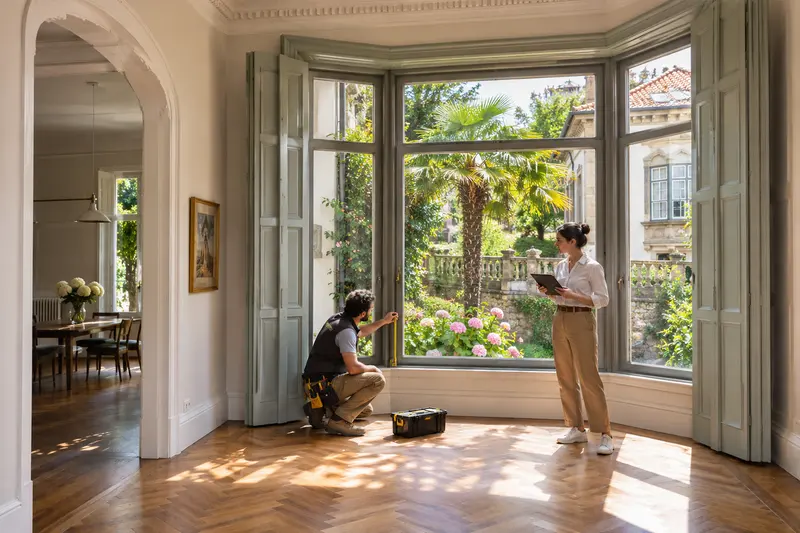
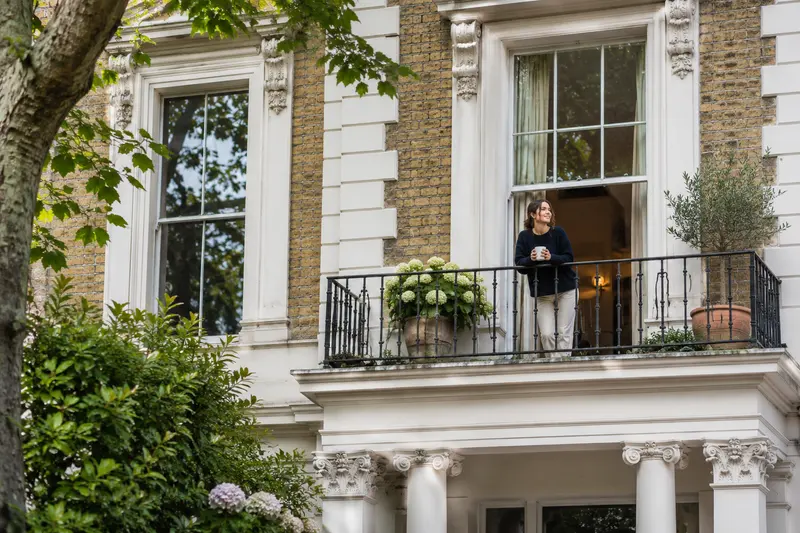
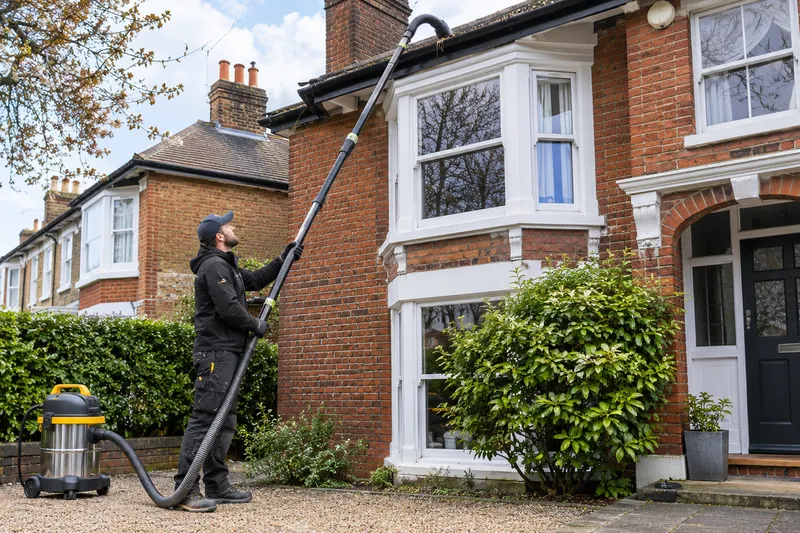
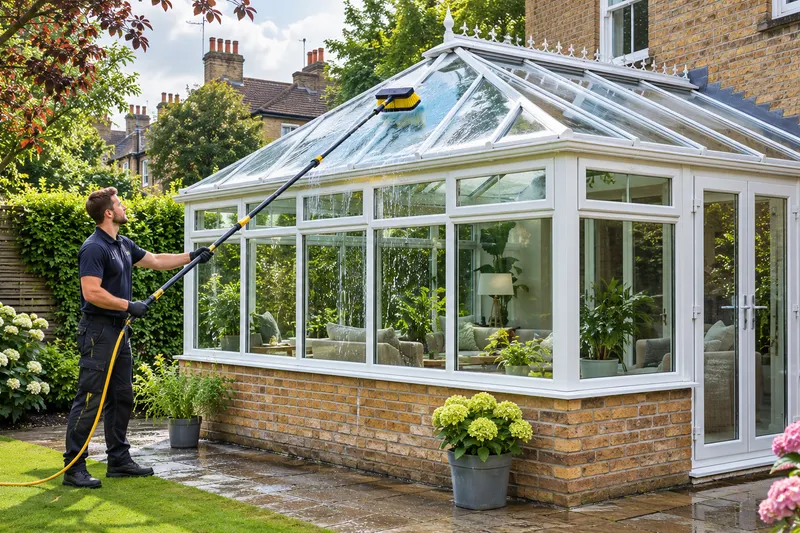
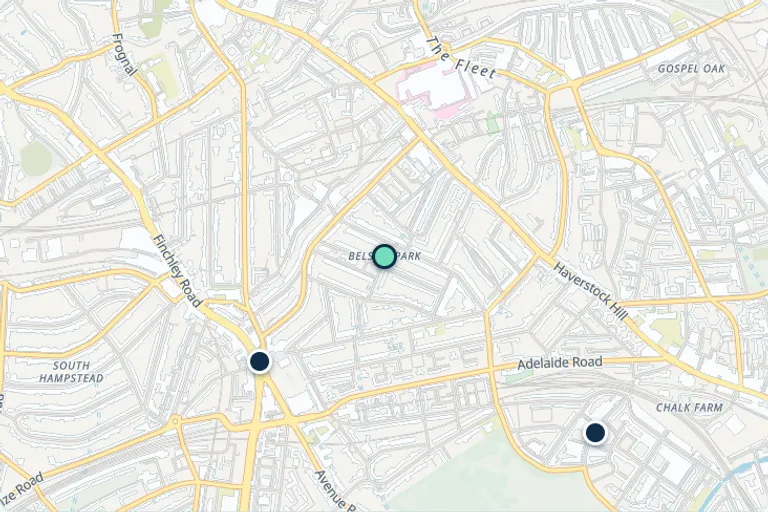
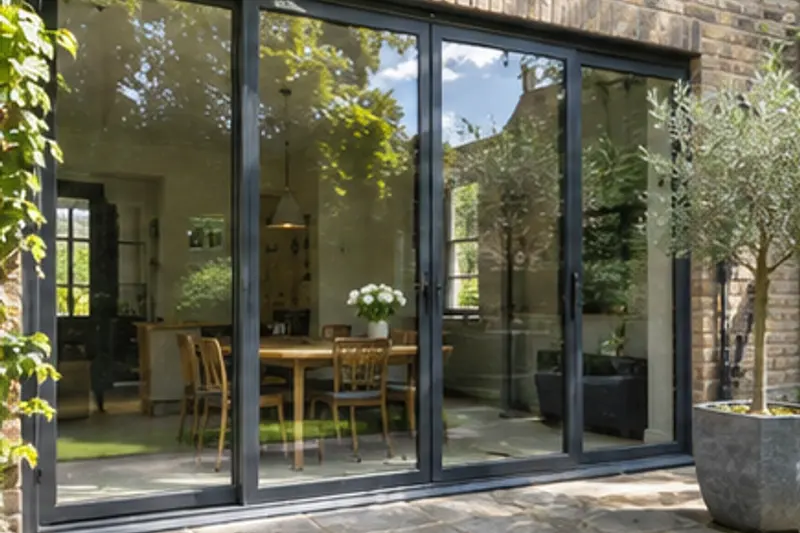
Send the full Belsize Park address, floor, available entrance and list of glass faces. Lead with the priority panes and send one useful photo showing the approach. For a rear addition, include the fence, steps or any narrow spot that makes it hard to carry equipment. For an upper sash, add the ground around it and anything projecting below it. Avoid cropping out the part where someone would need to stand. If a neighbour or building manager controls the route, tell us when they can agree it.
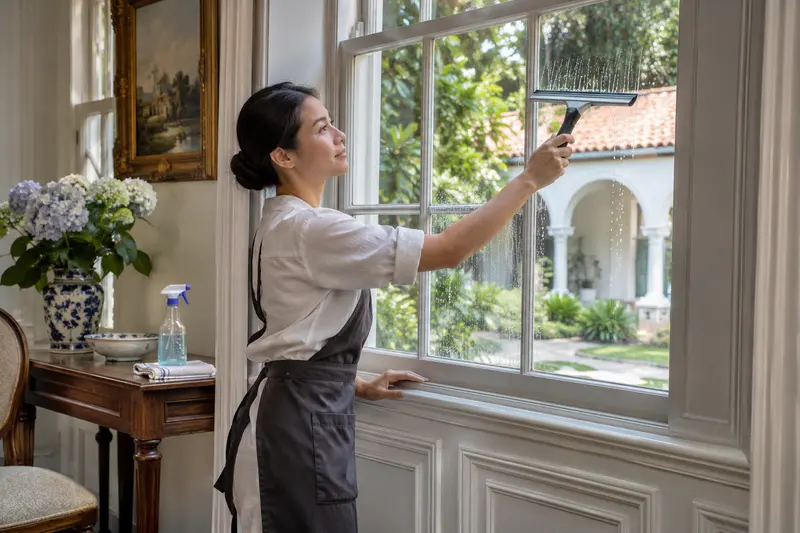
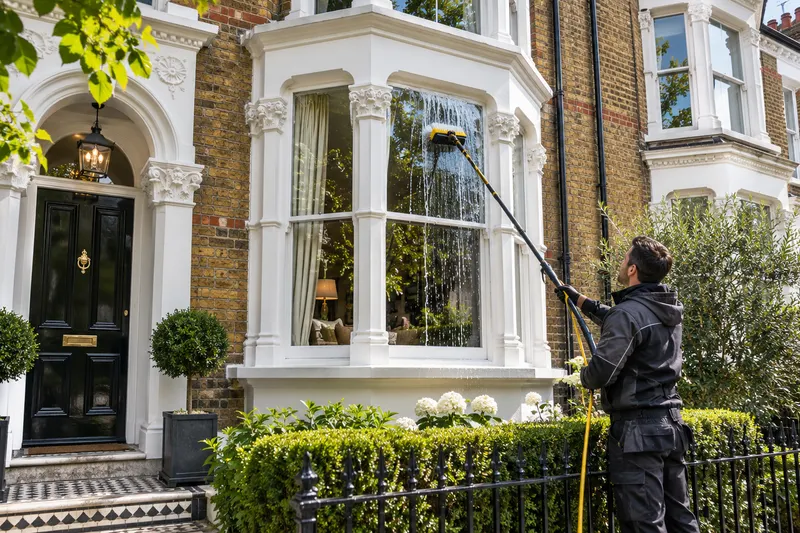
On the day we review the route and glass against the list before choosing tools. If parts cannot be reached as expected, we discuss what is still practical. At the end we check the accessible finish, note any observations and clear the agreed space. For another visit, we can discuss different intervals for frequently used doors and sheltered garden panes. In a conversion, the main front bay might need attention more often than inside glass in rooms used occasionally. Our residential window cleaning page covers common arrangements.
Confirm what changes before asking for a second visit
When access is confirmed from a previous visit, tell us if a hedge, scaffold or new delivery pattern has changed it. Even moving a planter can take away useful room beside a bay. A new board, shutter or floor covering can need protection at a later visit. We can review the details before setting a date and decide whether the same work is suitable. A repeat arrangement is easier to plan when everyone knows which door to use, which faces are on the list and what free space the operator needs.
If decorating work is planned before the next visit, include the expected date in the enquiry. Fresh paint or building material on the glass can change which parts we can wash. We can discuss an appointment once the area is ready and assess any residue before starting.
For an appointment after other work, confirm whether the staircase, driveway or service route is back in normal use. Tell us if a contractor’s equipment still occupies the way to the glass. We can then check the position against the new conditions before deciding which panes to include.