Choose how to wash the window according to the surroundings
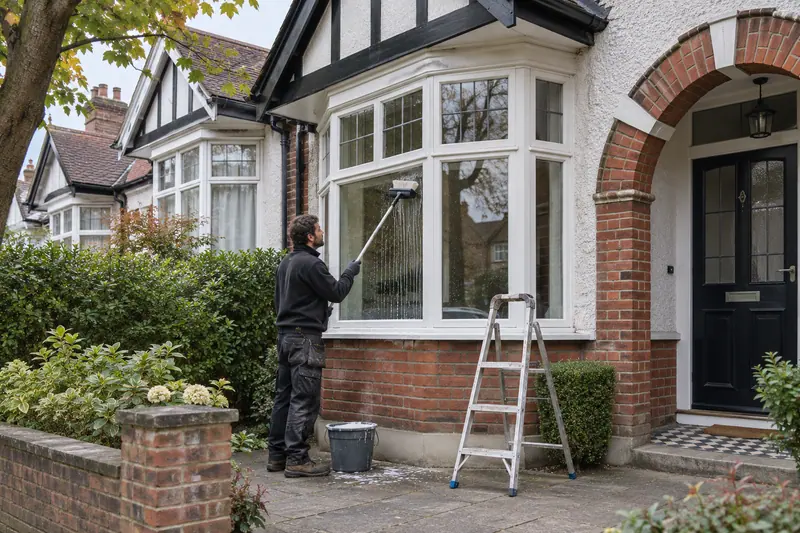
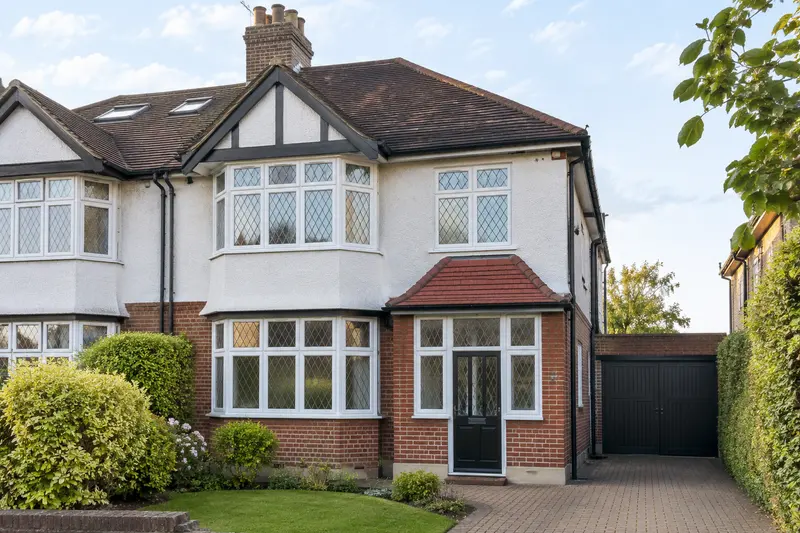
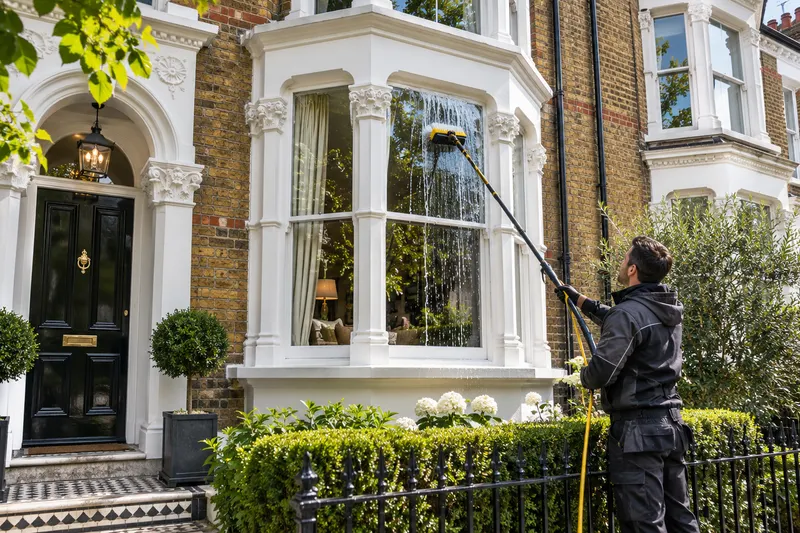
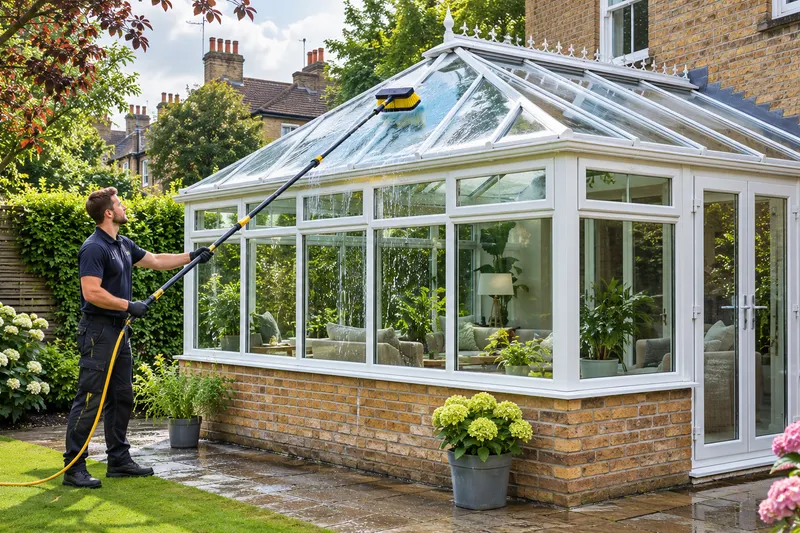
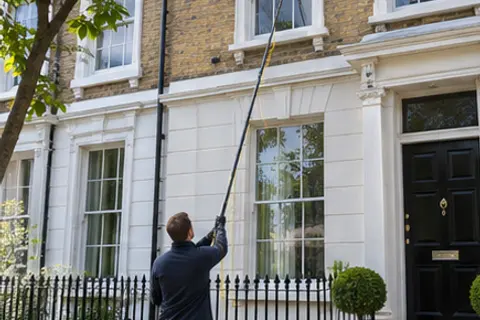
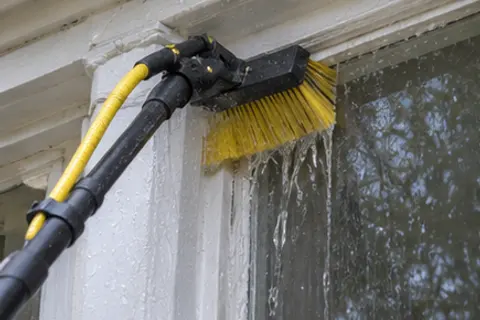
At a suitable outside position, we can use purified water and a soft brush on reachable sound surfaces. We check where the rinse will travel, including around the door and alongside the neighbour’s route. If upper parts of the frame are included, we work on them before the final pass on the glass. The wash loosens everyday dirt and the rinse carries it away. Where the pane sits above a step or close to a doorway, a hand tool may give more control. We look at the reachable edges and the bottom rail once enough water has run off.
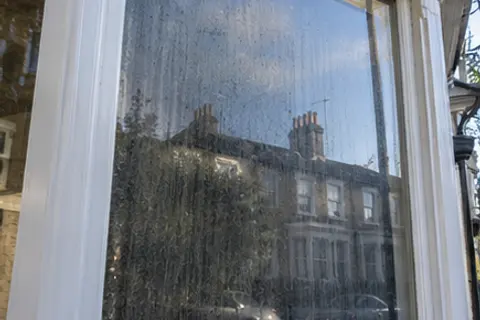
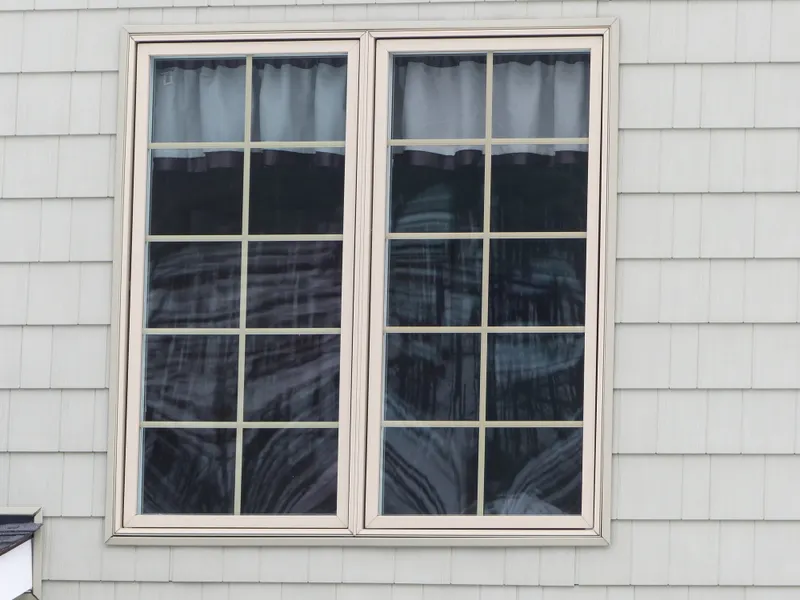
If an old deposit stays visible after a normal clean, we ask about its history and review where it sits. A persistent pale stripe below a drip and a mark in a sealed unit can look similar from a distance. They do not lead to the same decision. We discuss what can be seen and any separate assessment before including further work. Tell us before booking if the mark is the main reason for arranging a visit. If there are several similar panes, indicate exactly where the spot is. That helps us distinguish the affected window from glass that only needs the usual wash and rinse.
Agree a working time on the Finchley parade
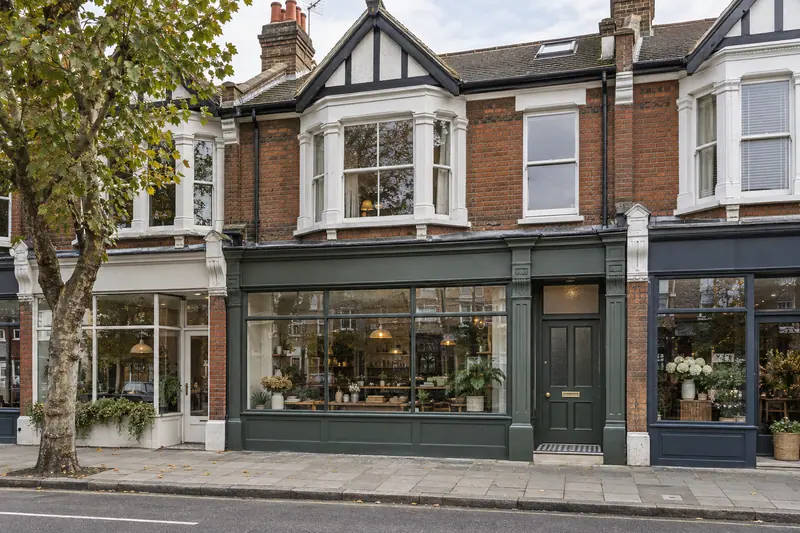
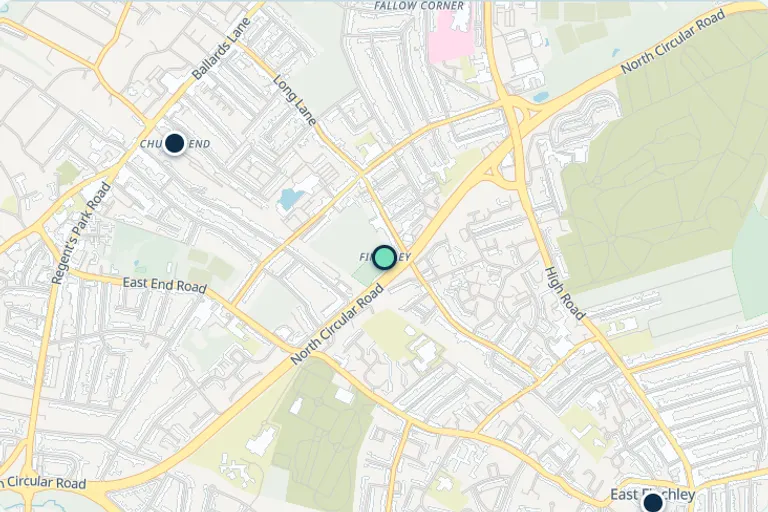
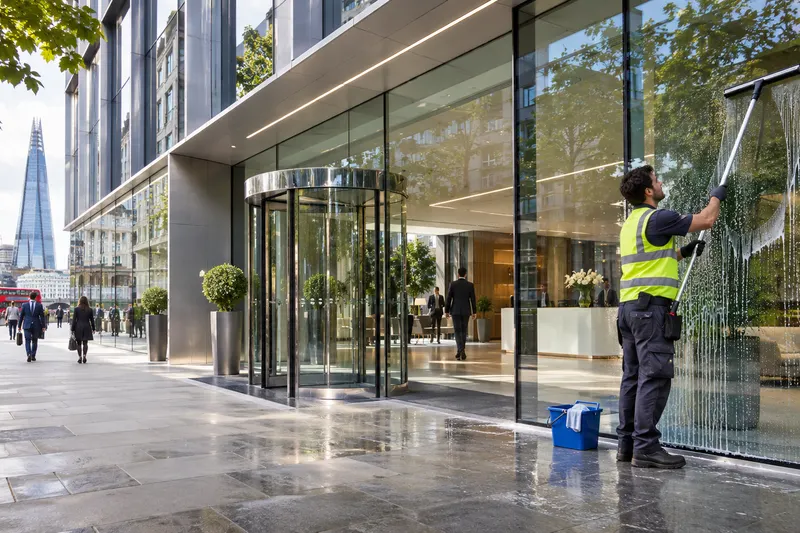
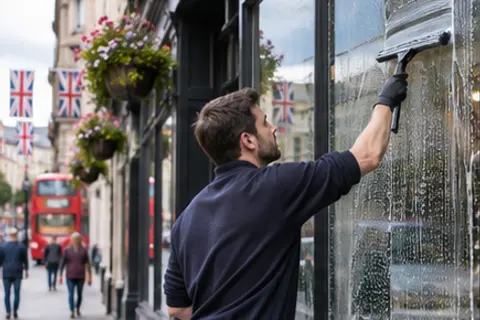
Barnet Council describes Edwardian shopping parades in the Finchley Church End conservation area. The outside and room-side faces on a parade can have different working routes. At a door with fixed glass on either side, we need to know who controls access, whether deliveries take the same approach and which glass the business wants cleaned. Where plates and windows continue around a return, identify the end of the frontage. A visible doorway might be the shared entrance for upper floors. We check those arrangements with the person who can agree the work before putting anything near the threshold.
On a long Finchley frontage, decide which panes need to be dealt with before opening and which can wait until the pavement is quieter. A corner shop may have a second run of glass away from its entrance. Pavement widths and pedestrian traffic often differ between the two sides. For shopfront cleaning we identify the ends of each run, agree a route for equipment and ask how the person opening the shop would like to confirm completion. We can then record an upper panel or side pane that needs separate access without expecting staff to remember which glass was discussed.
Give the next cleaner a record of what mattered
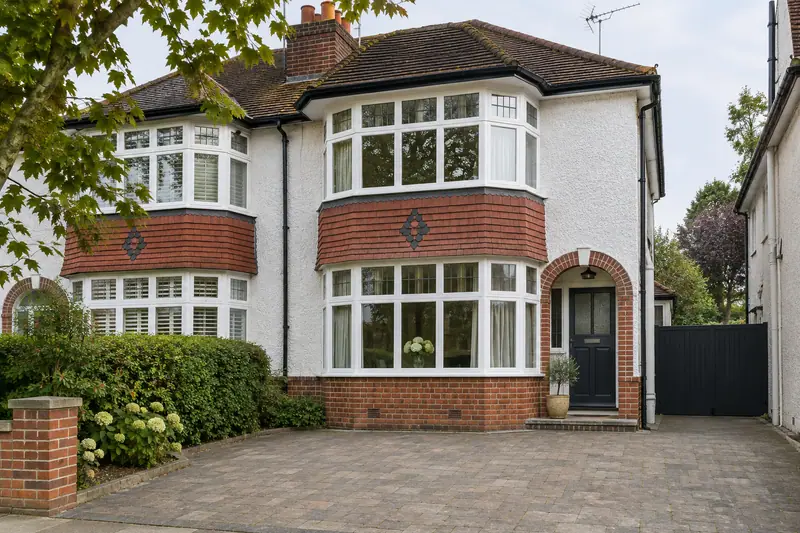
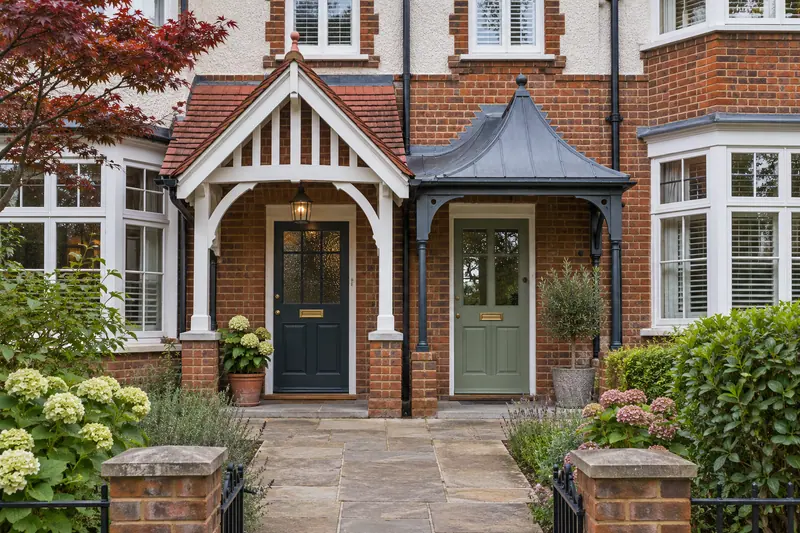
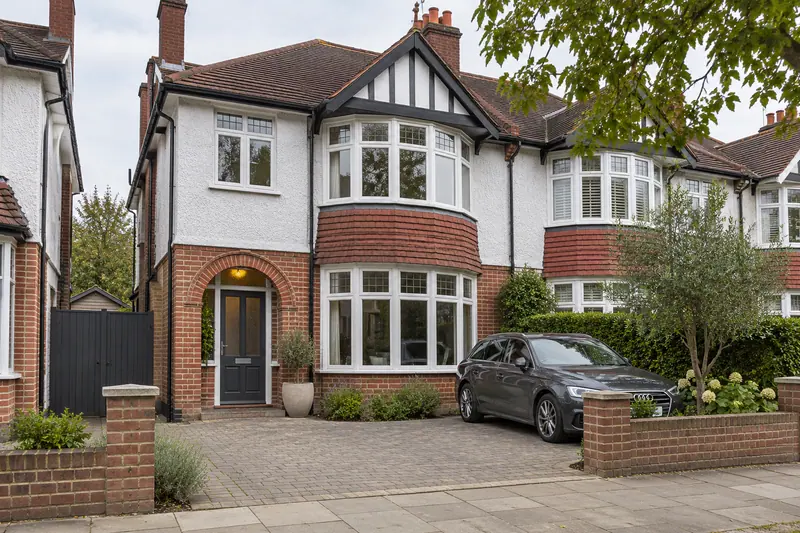
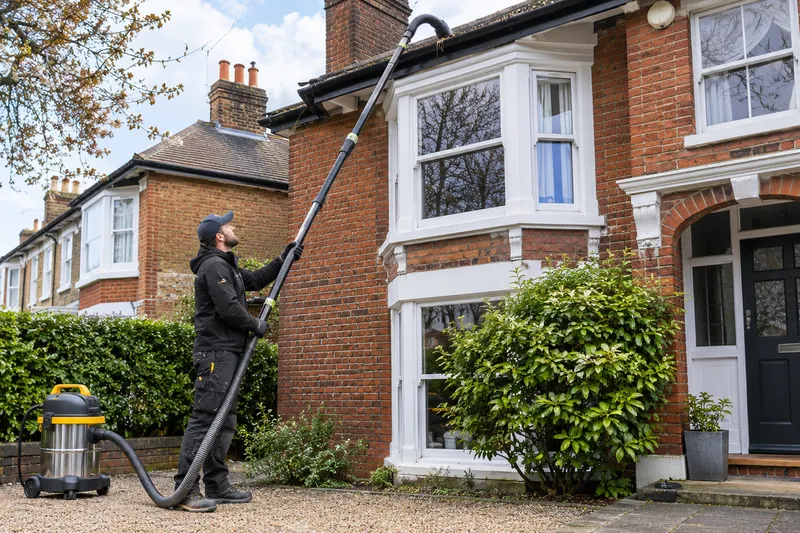
At the end we check agreed faces from practical angles and tell you about access limits or visible marks. If the driveway space was useful only after moving a car or unlocking a side gate, we note it for a repeat visit. Tell us if those arrangements will change next time or if access goes through a shared porch. A less frequently used room might only need occasional hand cleaning, while glass over the front approach may pick up material earlier. We can agree separate times or groups based on how the glass is used and what you want to see cleaned.
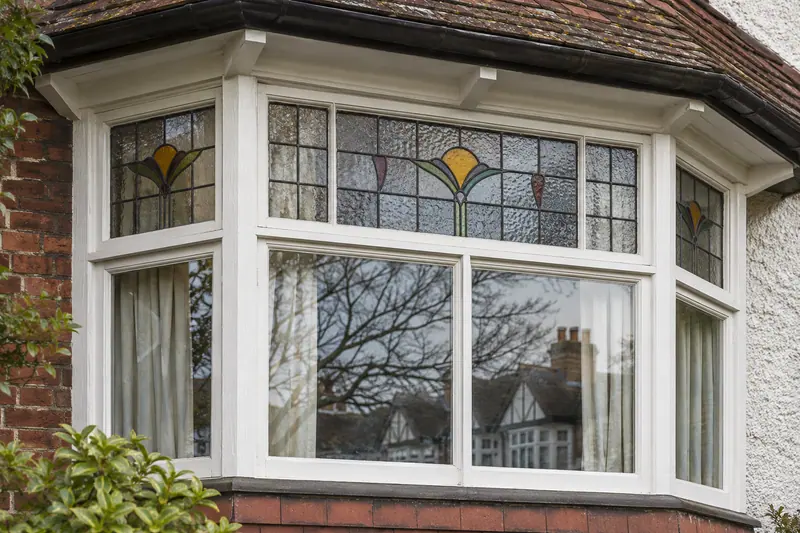
Our window cleaning prices guide explains how the quote depends on the number of faces, preparation and ability to reach them. For Finchley, send the full postcode and photos of any unusual access, and say whether you have divided, fixed or decorative glass. Mention anything that needs to be moved or kept in place. If one face depends on permission or a later visit, list the rest so we can assess them separately. This is especially helpful if the person booking works elsewhere and a neighbour, tenant or member of staff will be meeting us at the property.