Choose a slot for glass near a busy threshold
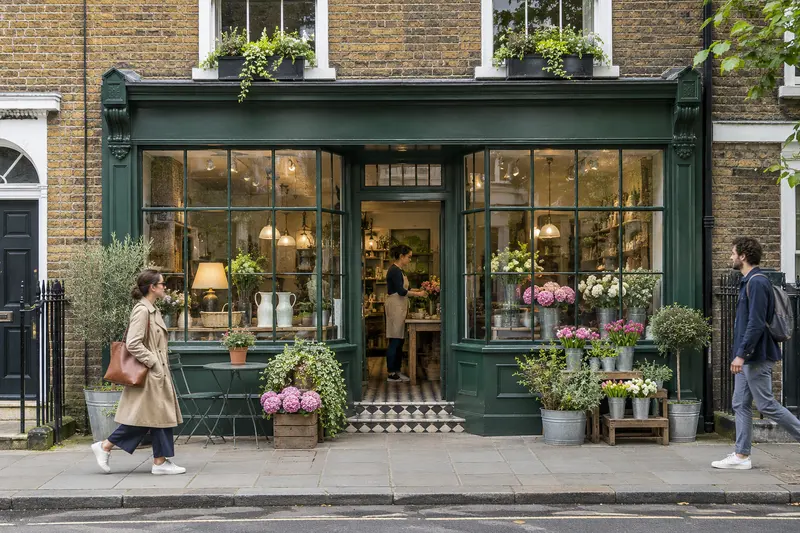
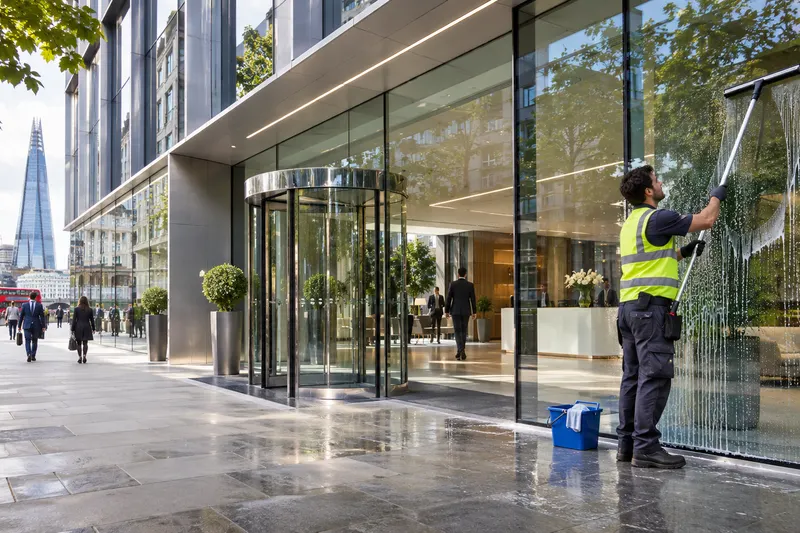
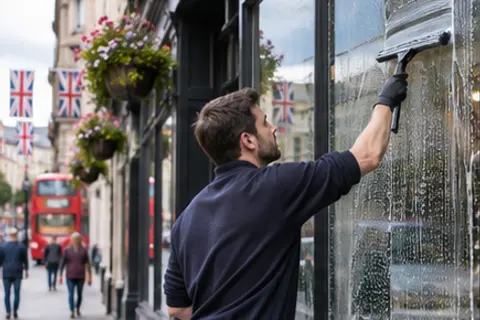
A display near the Angel can face a busy street and have stock supported very close to the glass inside. If the shop shares a block with flats above, tell us where customers and residents pass and when deliveries usually arrive. A useful time for lower work may fall between opening and the first deliveries or when there is another agreed route. We check the actual amount of space and lower edge before deciding how to wash the agreed panes.
For a shop, take a wide photo that shows the entrance and the full window rather than a crop of the dirtiest mark. Include fitted shelves and anything that limits room from inside. We agree which faces the visit covers and where tools can be used without leaving anything in an open route. After the work we review the reachable parts and leave the entrance clear. See commercial window cleaning for practical information when a building contact needs to agree several premises or entries.
Review the wash room by room and agree the finish
Tell us which faces matter most. If we find a shared gate closed or a pane blocked by an installed blind, we explain what can be done from the agreed positions. A clear list helps everyone know what we covered, rather than expecting the whole building from a single address. During the work we look at the reachable glass and neighbouring surfaces before moving to the next area. At the end we check edges, collect remaining moisture on room-side work and discuss any marks that need separate attention.
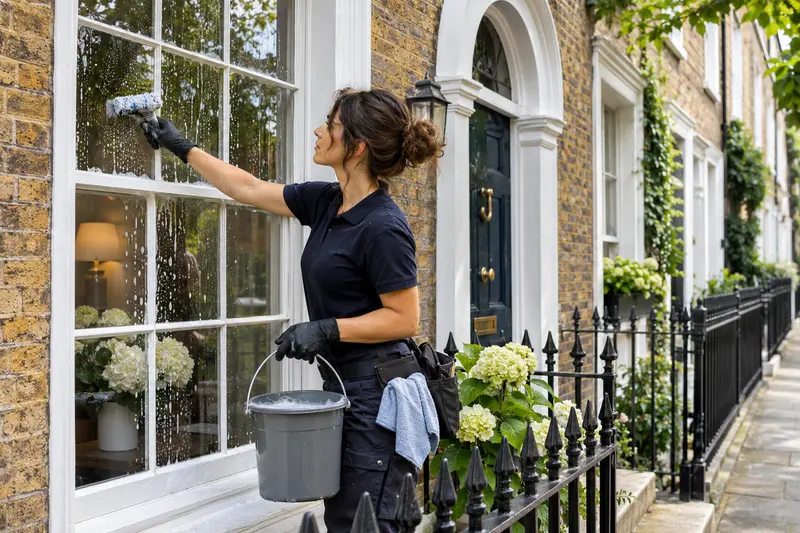
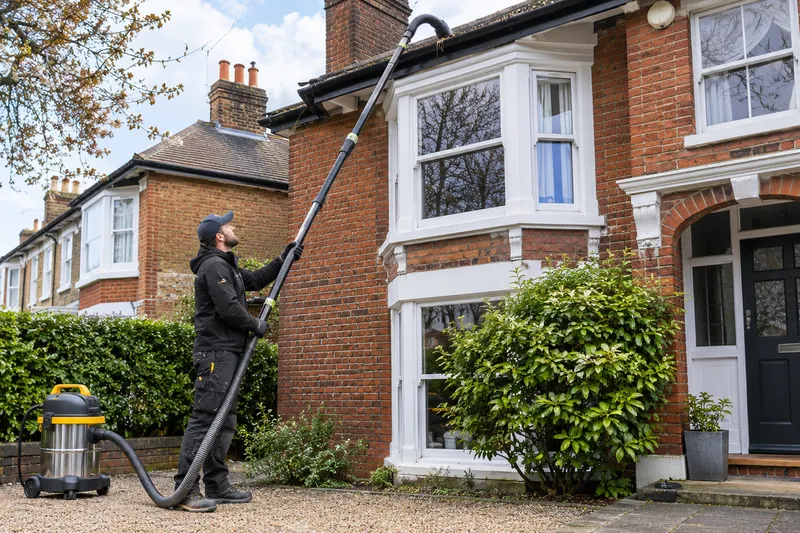
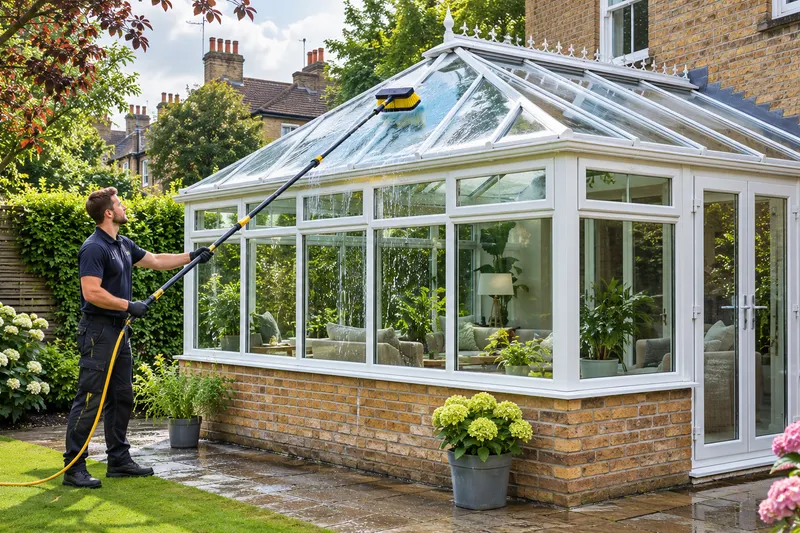
A regular visit can be based on the most frequently used panes, with other faces arranged by request. A front door can gather marks several times between washes of an upper sash, while a shaded rear may show pollen when plants are in season. We can discuss an interval once the first visit shows how the property behaves and the route has been agreed. Our residential window cleaning service covers arrangements where several types of glazing need work on the same visit.
Prepare an enquiry people at the property can use
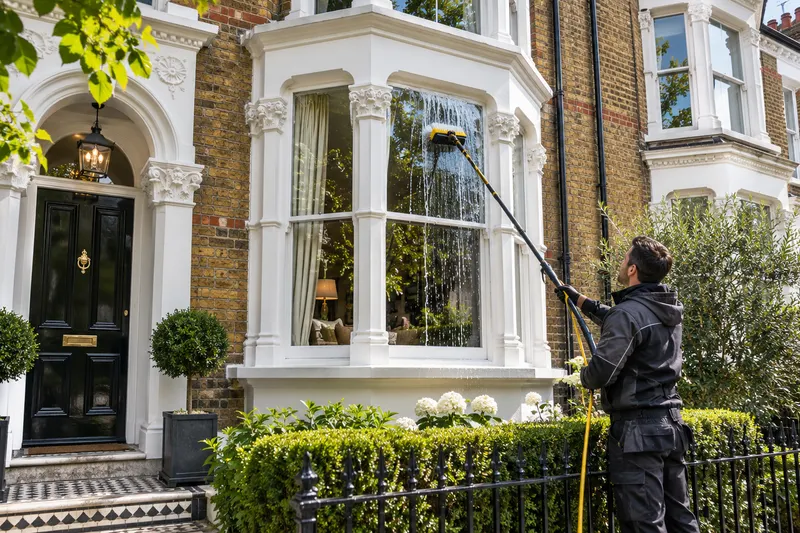
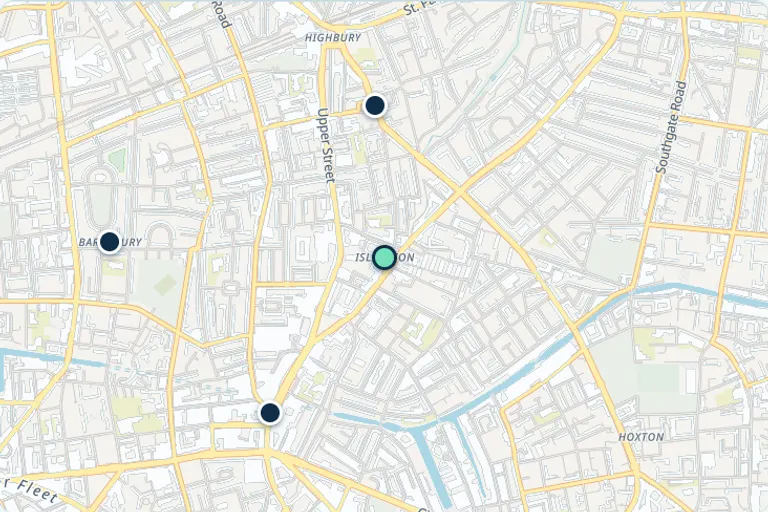
Send the full Islington address, the normal entrance and a list of the glass by face and level. If access depends on a neighbour or building manager, say when you expect it can be provided. A broad photograph showing the whole working area is useful for front railings, raised thresholds and rear projections. Let us know what cannot be moved and whether a separate permission is needed for common space. We use those details to discuss what can be included and the likely amount of work.
If we need a second visit for a type of staining or difficult glass, agree who will confirm access that time. A note that keys are returned every evening or a room is used by another party in the afternoons can help us plan. When you describe the condition, mention what changed rather than guessing at the fault. The glass may need an ordinary wash or additional inspection, and the agreement should be clear before work starts.
On a busy frontage, an evening photograph can make a pane look clear even though marks show whenever the sun comes round. If helpful, send a second view taken in ordinary daylight from the direction people usually approach. At home the same thing happens with room-side glass above a deep sill. Let us know whether the mark is easy to see indoors or out, and whether it sits close to a painted edge. When we arrive we can look at that position first, decide what can safely be inspected and agree whether the visit should include any additional assessment.
For a glass door with lots of fingerprints near its handle, say which side is used most. The marks may sit close to a frame edge that needs protection. We can then plan to check the handle area and adjacent trim when we look at the entrance as a whole.