Show the front landing as well as the painted terrace
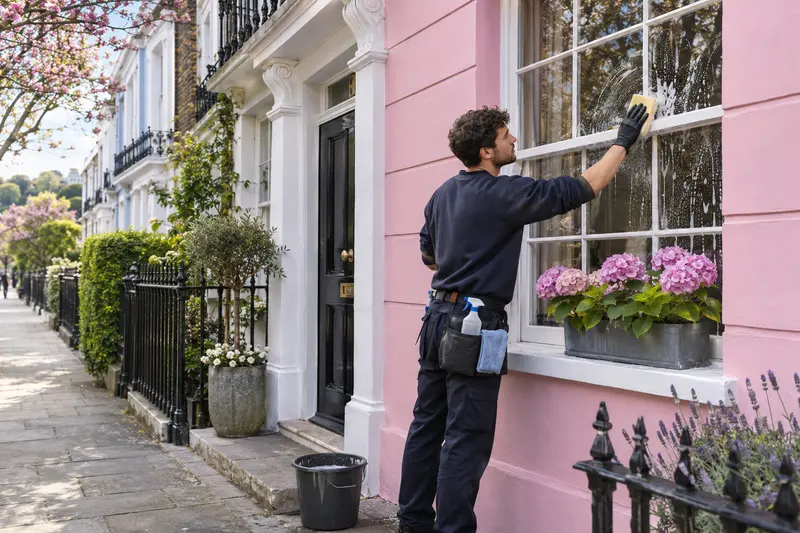
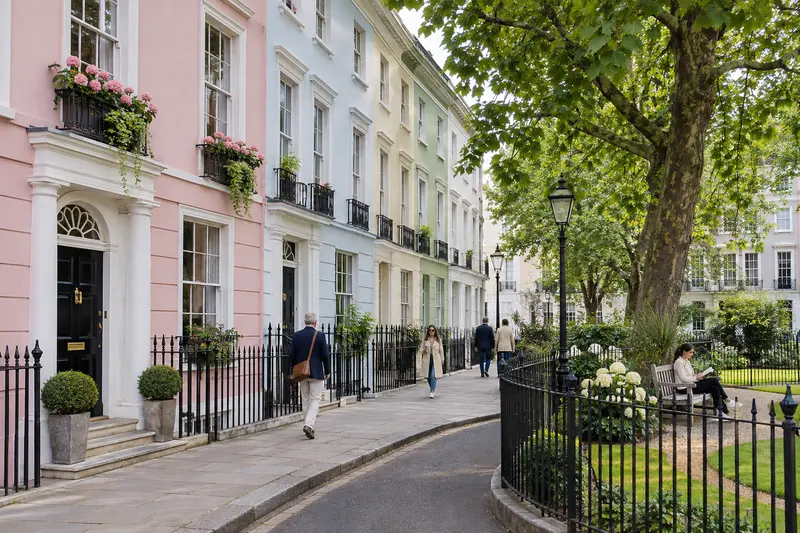
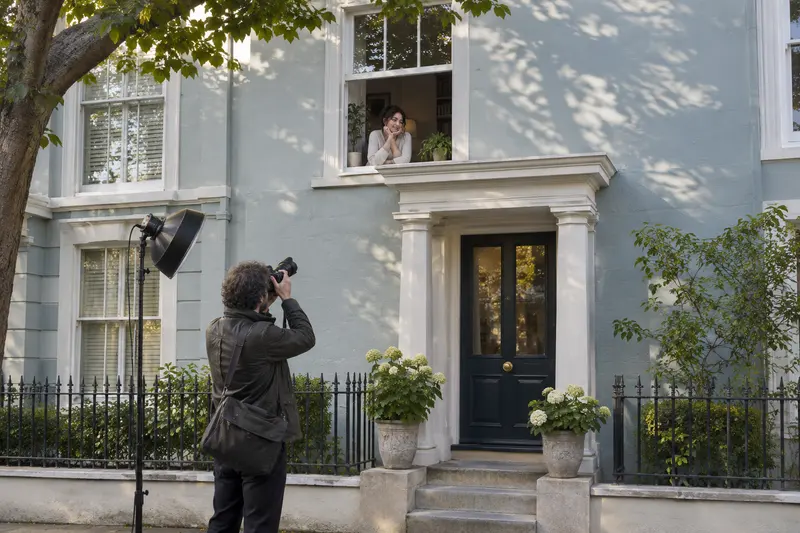
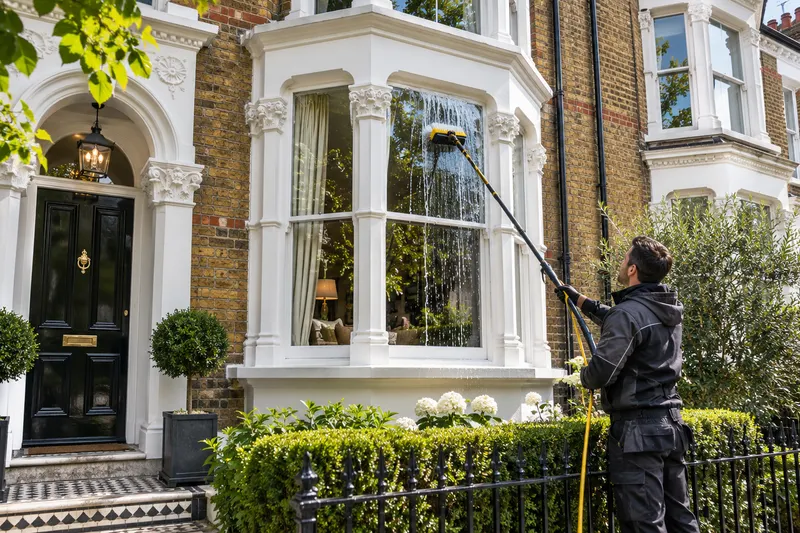
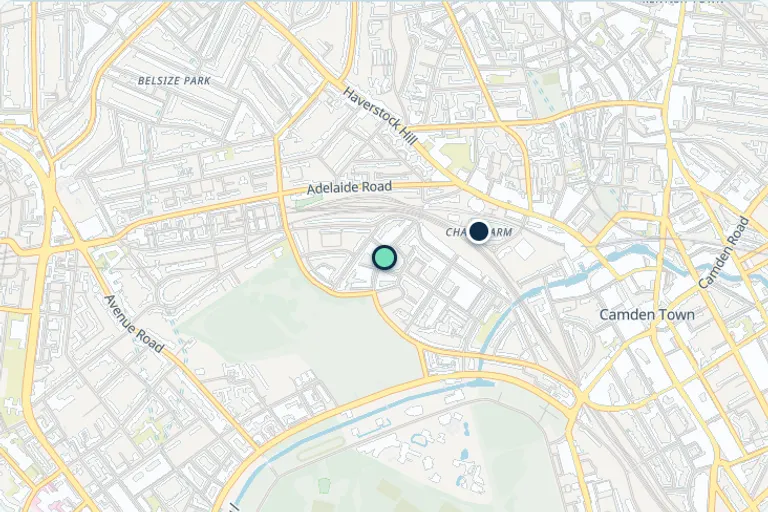
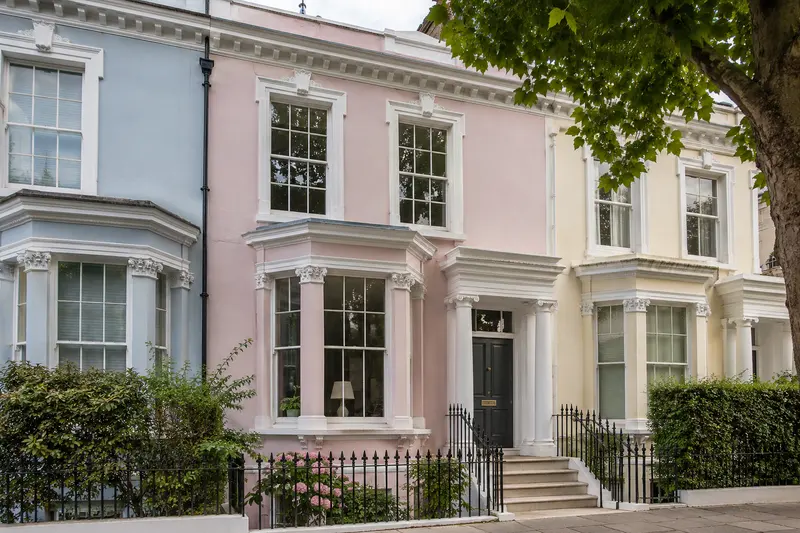
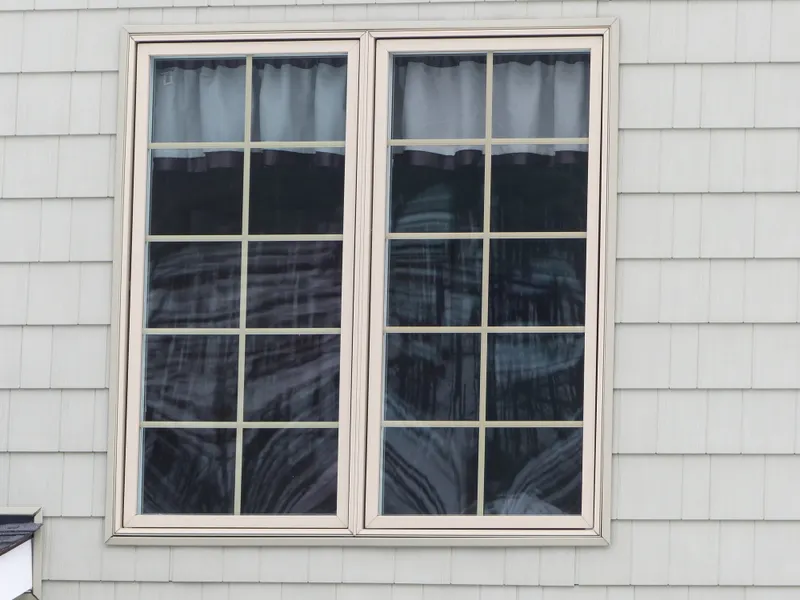
Camden’s conservation statement describes different terrace forms around Chalcot Square and its neighbouring crescent. A view across the square can show the windows clearly, but hide the small area where a person could work. Between the pavement and the glass there might be a rail, a short stair and a landing that other people use. We ask for a broad photo that shows the steps and accessible ground as well as the pane. That helps us identify whether the useful position is on the approach, beside the opening or somewhere else the resident can reasonably offer.
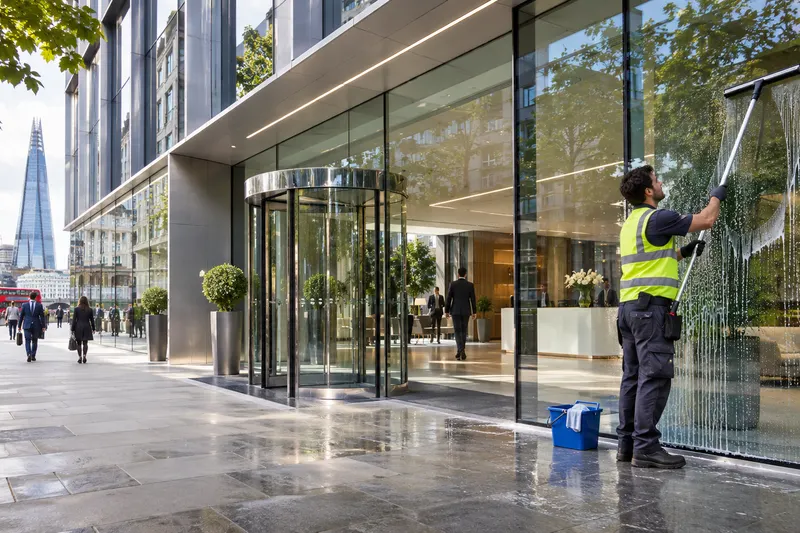
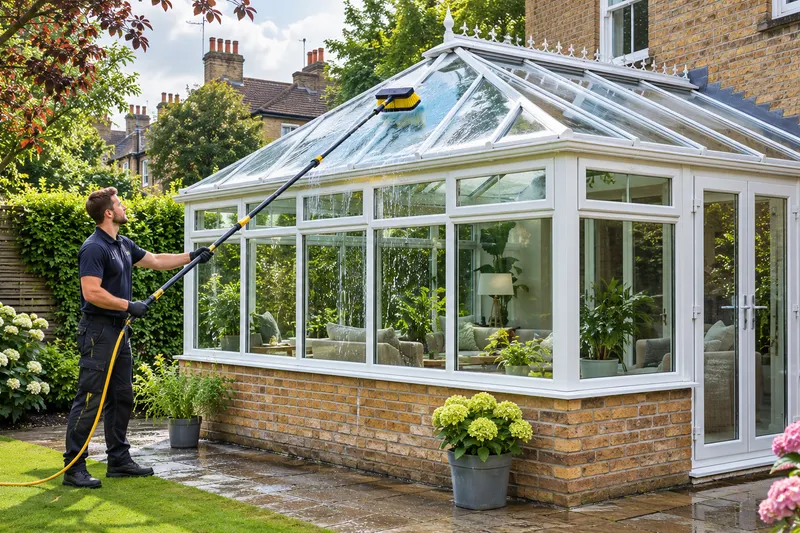
Tell us which floor belongs to you and how the normal entrance is reached. A townhouse can be divided into flats even where the exterior reads as one terrace. If you have the upper flat, a lower sash or shared door might belong to someone else. If another resident controls the gate, please ask when the route could be open. Our exterior window cleaning page describes the details we consider for the front, back and any return.
Decide what the porch or tight well changes
A ledge over a door can interrupt the approach to a taller window while leaving the glass in full view from the street. A basement well has the opposite difficulty: you can see down to the pane but there may be no useful position on the lower level. Take a normal ground-level photograph that shows the lower and upper features together. There is no need to step beyond a railing. Say whether a separate route already serves the lower flat and how a person reaches the glass at either level.
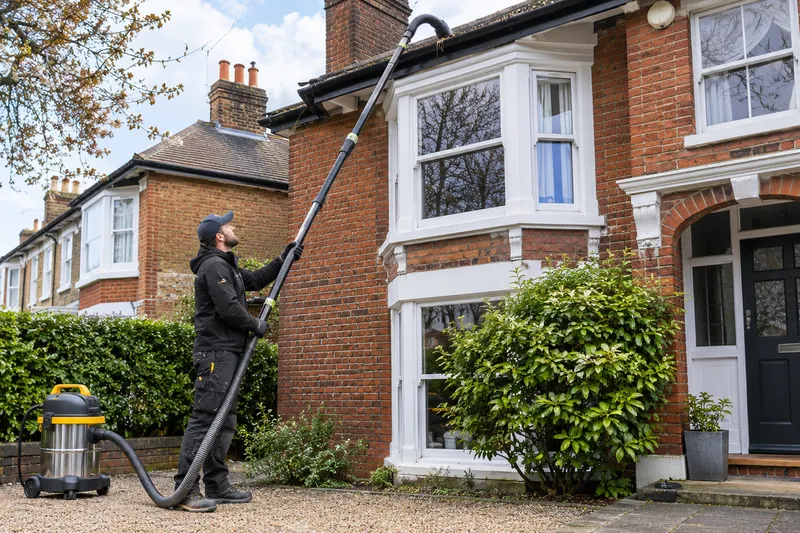
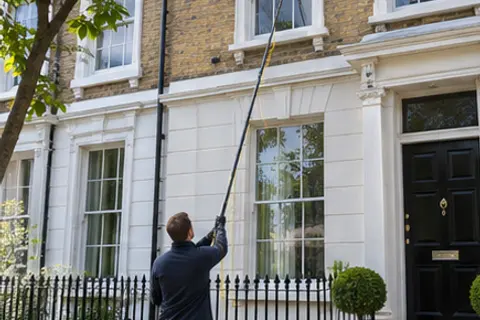
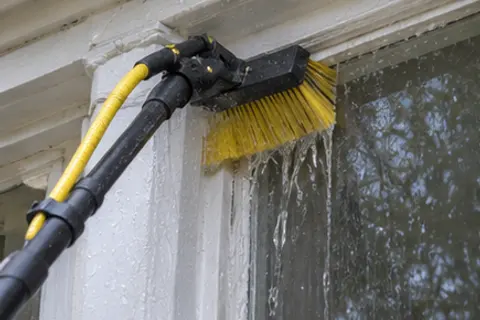
What matters is whether someone can control a tool along the edge, including the lowest part of the window. We look at the reach in relation to available ground and decide whether the proposed wash can proceed. Any shared passage needs to remain usable as agreed. If the upper pane is your priority, high-reach window cleaning explains the value of showing the projection and ground even if both are further away than the glass.
Plan for glass by railings and small landings
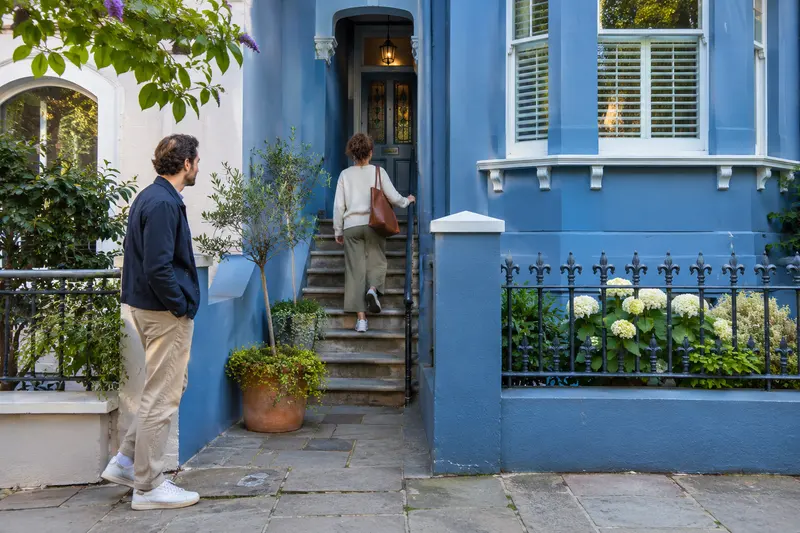
A narrow stair may serve more than one household, and the landing can be the only place a door can open freely. We ask about the approach when a sash or glazed side panel stands close to it. When a photograph is possible, show the position from inside the normal boundary as well as from the pavement. If that is a shared threshold, please mention who can agree its use. We may choose to work from a position beside the opening or return to the glass while the route is quieter. That decision depends on the way people use the entrance on the day.
If there is no useful position outside, we can discuss whether the reachable room-side face suits a separate visit. A proper route inside does not mean we can access the opposite side through the window. Tell us where the building divides and identify each flat or business by its own entrance. We can then confirm how best to discuss the glass with the people who use that part of the building.
On arrival, we check which doorway can stay usable and keep tools away from the swing of the door.
Camden’s Primrose Hill Conservation Area statement