Separate the Broadway display from the entrance people use
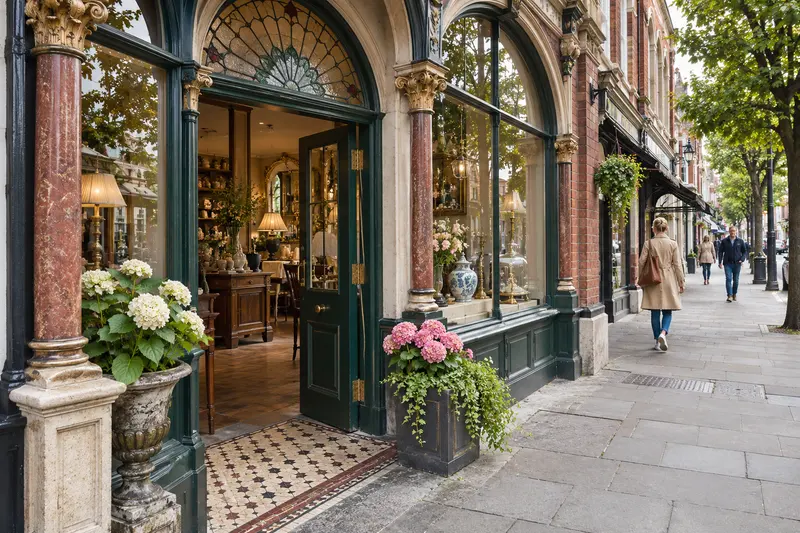
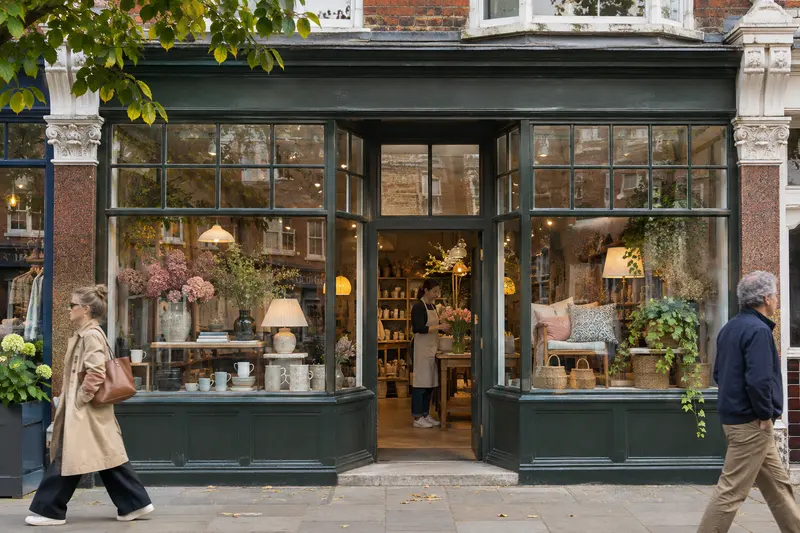
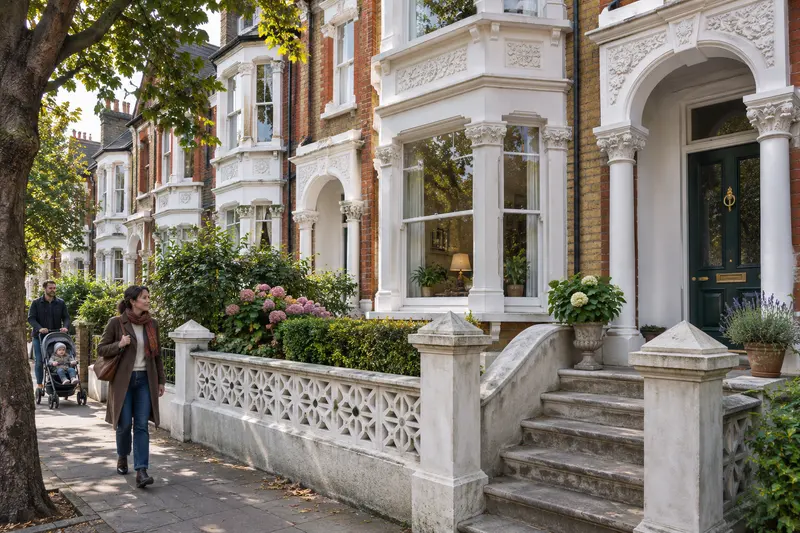
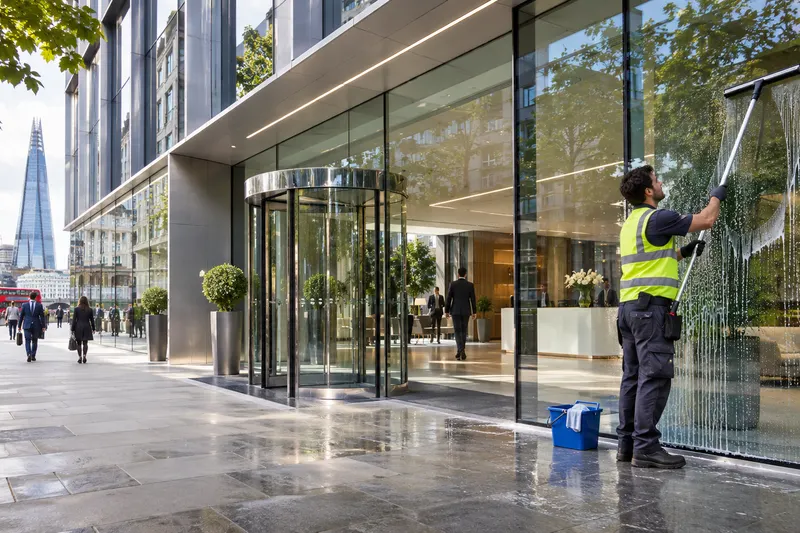
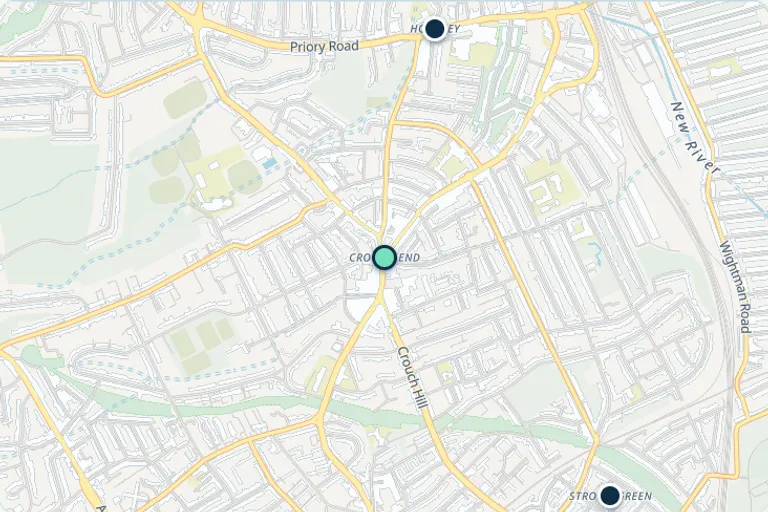
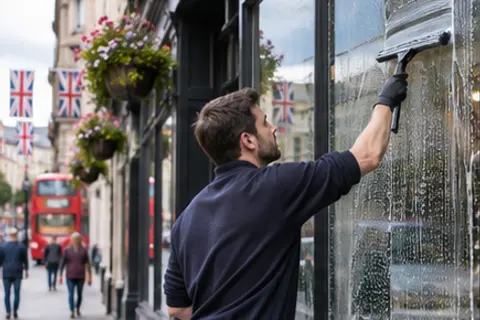
Haringey’s conservation appraisal describes the Broadway as part of Crouch End’s town-centre core and examines the streets leading into it. If you ask us to clean a shop there, tell us how the front is divided. The display, recessed entrance and glass above the door may form a single frontage but offer three different working positions. The door can open in the same space where a squeegee needs to move. We agree which panes and faces should be included before setting a time.
Mention when customers use the entrance, when deliveries usually arrive and whether the same door serves a basement or upper flat. If the inside of the display is included, tell us what stock or fittings stand behind it. A clear view of the exterior gives no reliable idea of space inside. We may be able to work through the agreed panes in stages so the normal route stays usable. For a frontage enquiry, shop front cleaning gives further preparation details.
Choose where work starts on the day
At the start, we compare the proposed work with the available route, surface and weather. If an access arrangement has changed, we consider the faces and tools again before anyone starts. For a house with more than one occupier, leave a contact who can answer if another gate or room is required. We can often begin with a reachable part while a separate entrance is in use, depending on how the visit was booked. Give us the order of your priorities so those decisions are easier.
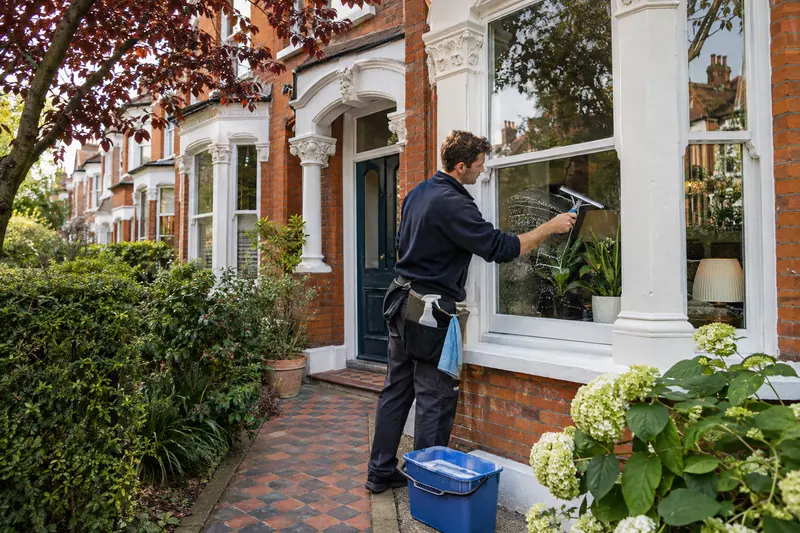
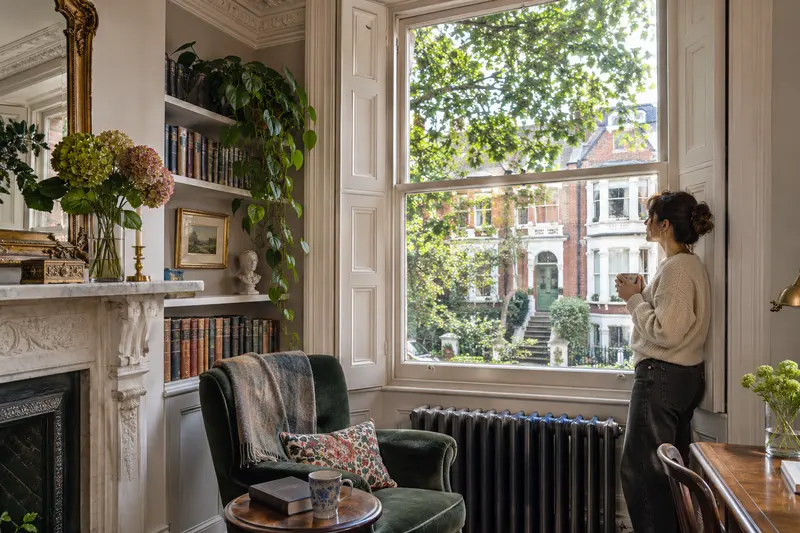
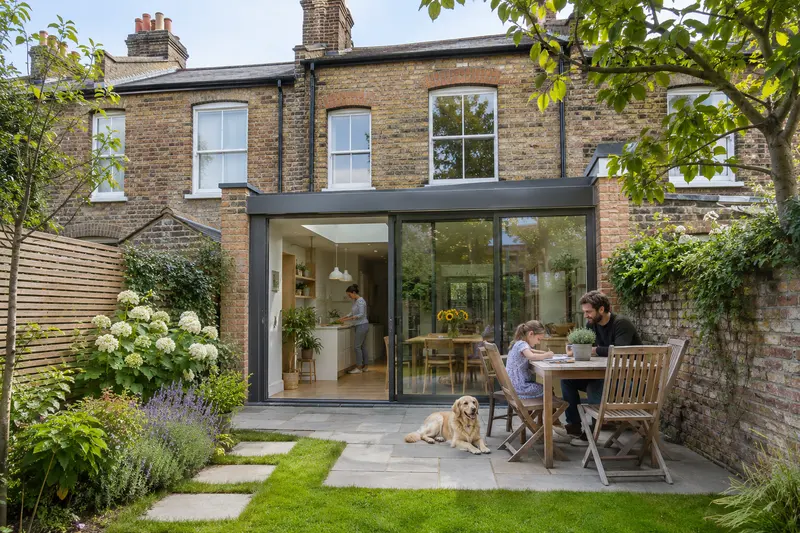
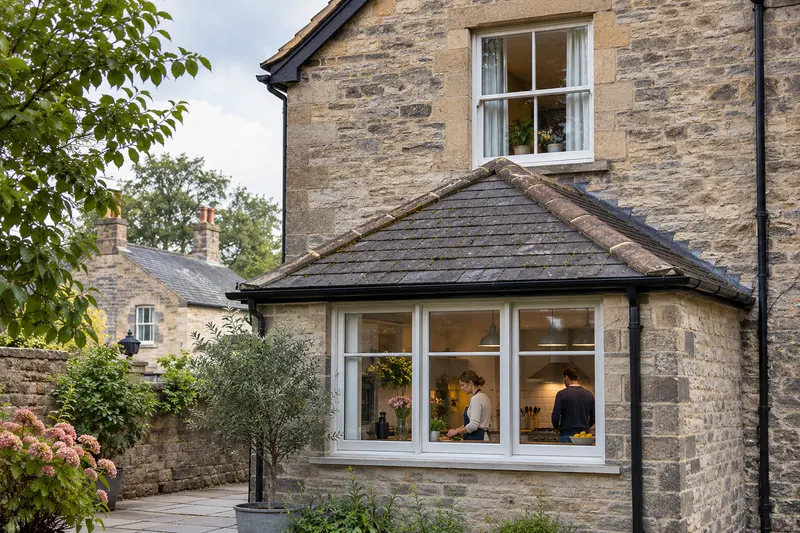
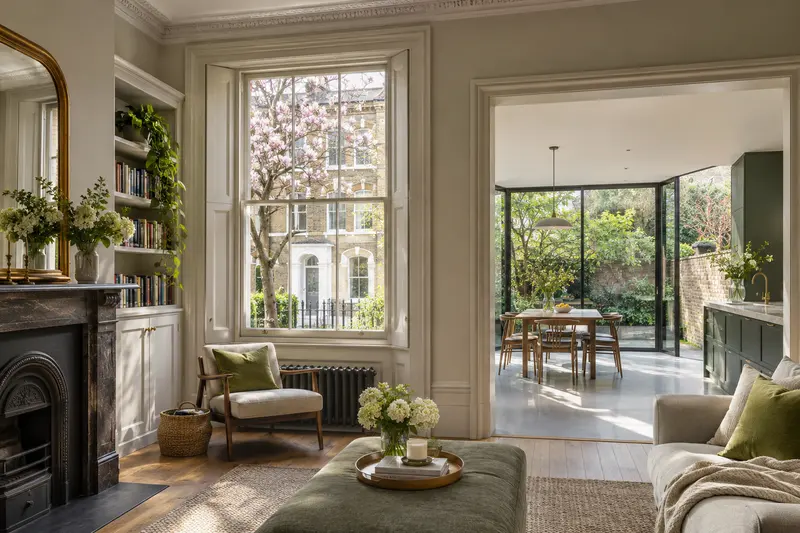
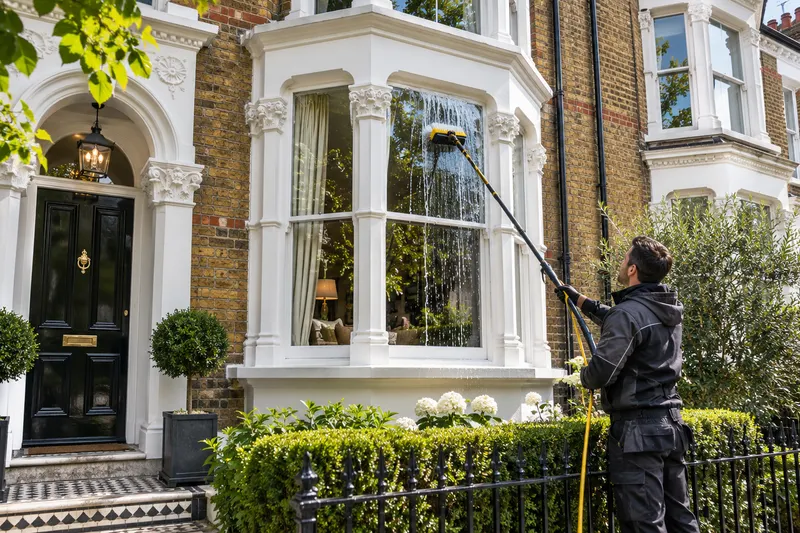
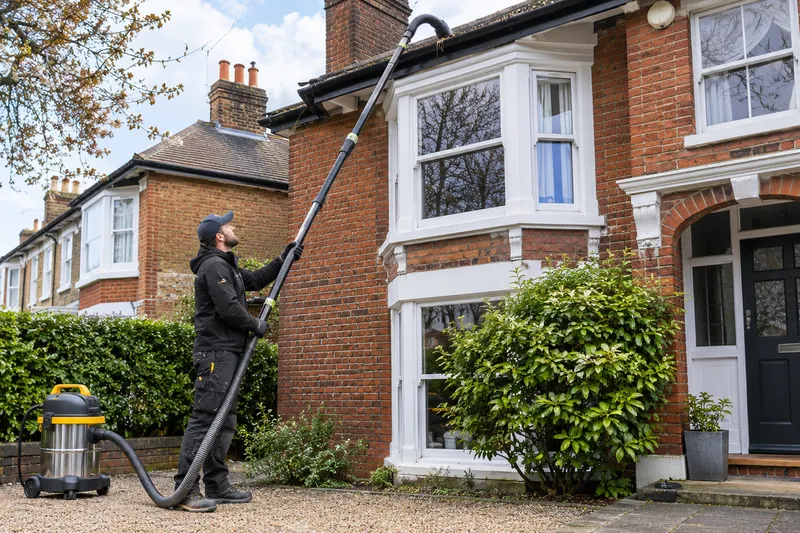
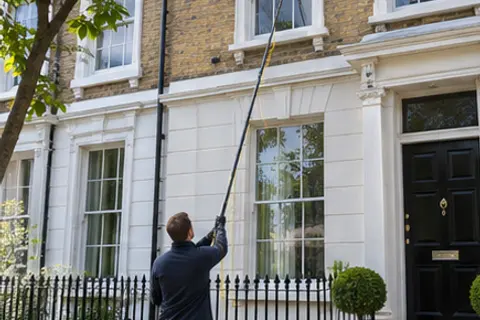
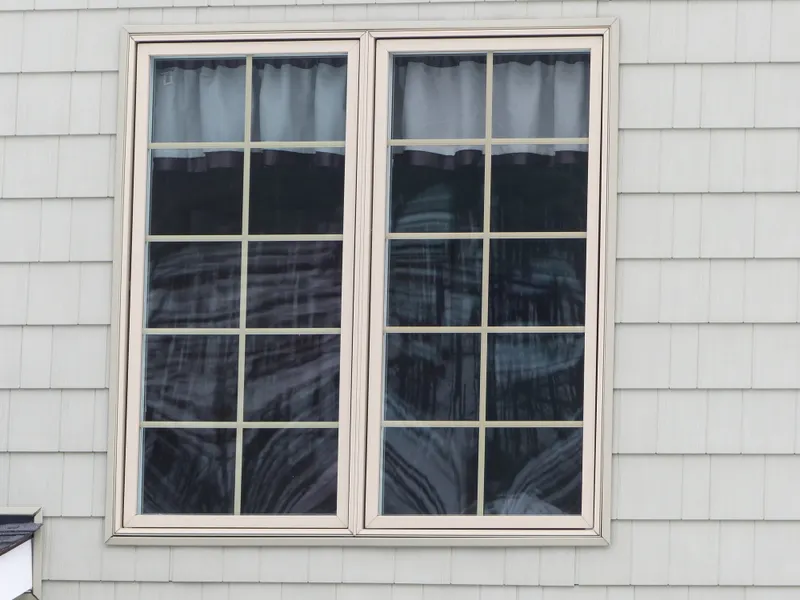
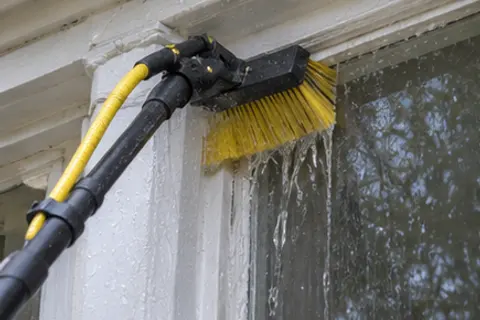
When reachable outside frame parts are included, we usually look at where dirt may travel before rinsing the pane. For the inside, we use the appropriate hand tools and collect moisture from the lower edges. We avoid taking equipment through an entrance or corridor that has not been agreed. Before finishing, we check the panes at suitable angles and flag any issue that needs a fresh assessment. For several rooms or elevations, our residential window cleaning page gives a wider view of arranging that work.
Use a repeat visit for the glass that needs it
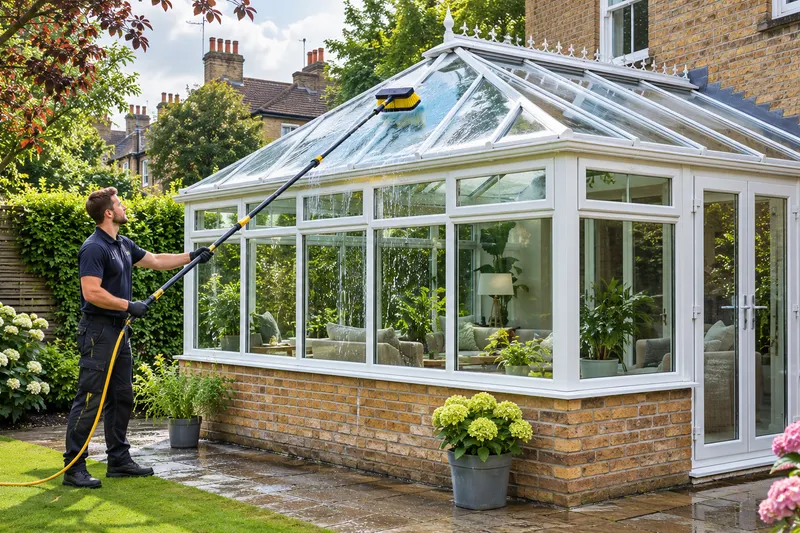
Not every pane needs the same schedule. Hand marks at a café entrance can return before the upper display has gathered much dirt. At home the lower garden panes may show pollen in spring while the street-facing glass picks up traffic film at a different rate. We can discuss an interval by pane or building side after the first visit. Tell us whether you want only the outside repeated or particular room-side panes included from time to time.
Before sending the enquiry, add the full property address, the name of the person providing access and a photo that shows the room or exterior route. If a tenant, shop manager or other occupier needs a heads-up, leave enough time to arrange it. For shared glass with a building contact and other businesses in use, our commercial window cleaning page explains how to agree the rooms and faces beforehand. A brief description of a locked garden route, a deep sill or a display obstruction can be the detail that makes the arrival straightforward.
Share any building work affecting the entrance
If a decorator is due or a door has just been repaired, pass on the date and expected changes rather than relying on the original photos. A newly painted frame may need more time before contact. Builder’s residue on a reachable face should be described separately. We can then discuss whether to assess that face first or move it to another visit. For premises that are reopening, note whether signs or stock will be installed after the wash. That can affect when the inside edges are accessible and how we leave the doorway.
An early visit may make sense for lower glass that picks up hand marks during the day. There may be another good time when the delivery door is free. Before assuming we can use the space alongside the entrance, tell us if it is managed by another business. The same applies to a covered front area shared by several flats. Agreeing who can admit us is important; choosing a tool only follows once we know the space we will have.
If you need to move the appointment, include any expiry on keys or permissions. A building contact may have agreed only one time for the courtyard. When another visit is suitable, we confirm the route and list of glass again so no one expects access that has changed.