Set a useful time around the premises
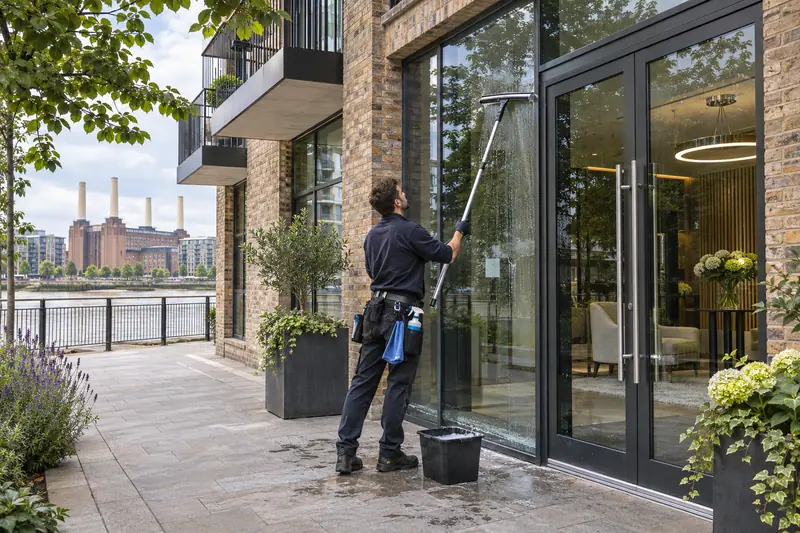
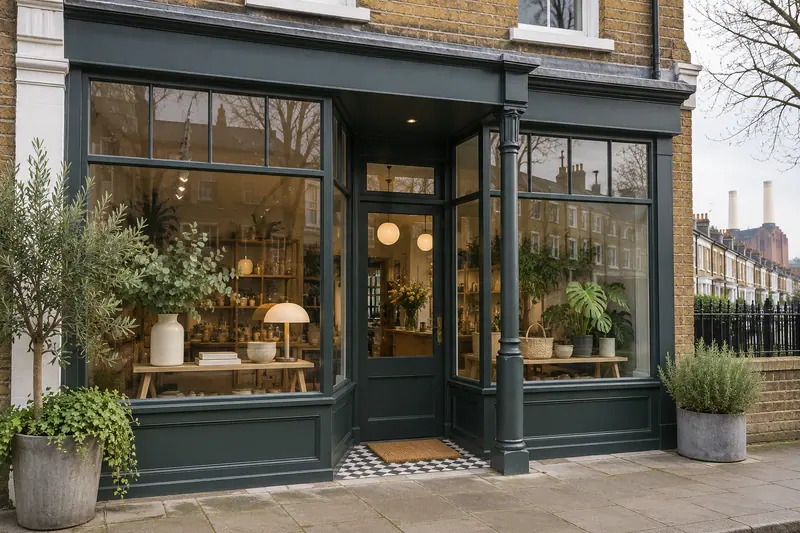
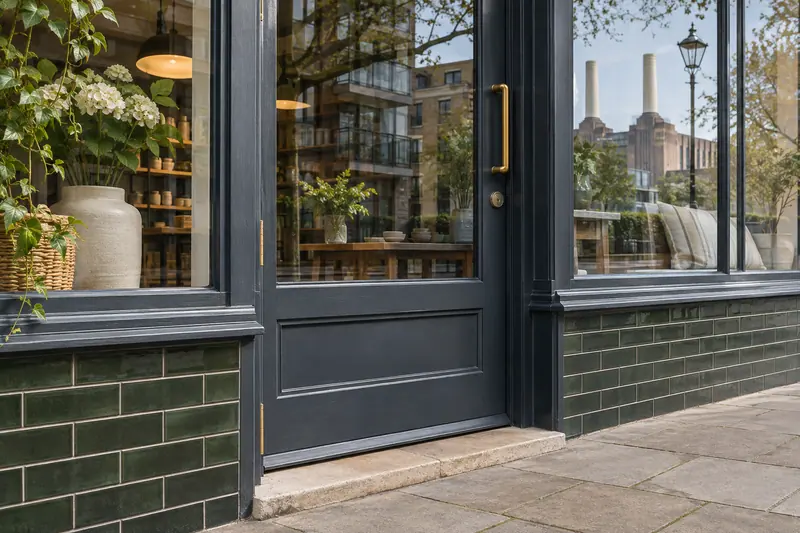
A recessed shop door may gather fingerprints near the handle even when the broad display looks clear. In a street-facing business, the most useful detail in an enquiry is when people start using the doorway and which entrances are available at other times. We want to know whether a trolley needs room to turn, where mats sit and which faces of any screens or fixed panels are included. A ground-floor glass pane that can be washed by hand may call for a smaller kit and careful collection of water around the threshold. This becomes part of the arrangement with the person on site.
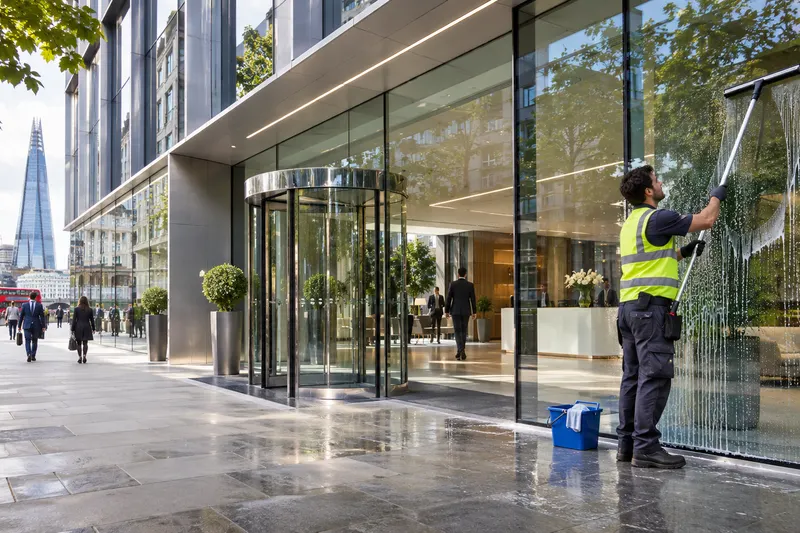
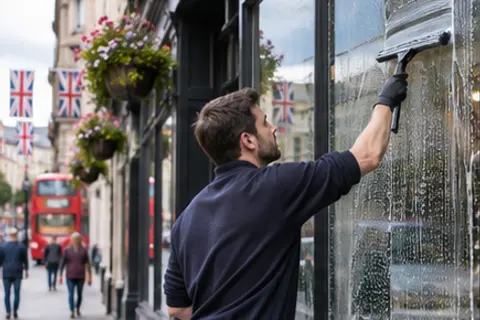
For shopfront cleaning we agree when the display can be approached from inside, how much room is available and whether anything needs to be moved by staff. If the transom sits above a recessed entrance, it may need a different approach from the pane beside the door. We describe any such limitation before including that area. We check the edges from a practical position at the end and leave the agreed entrance ready for use. If the premises request repeat work, discuss when traffic is quiet and whether there is a separate interval for less-used inner panes.
Agree what happens if the route changes
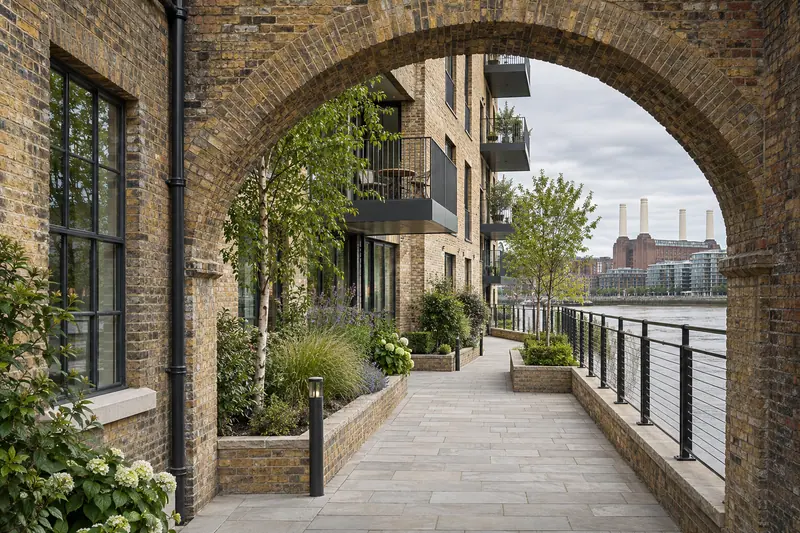
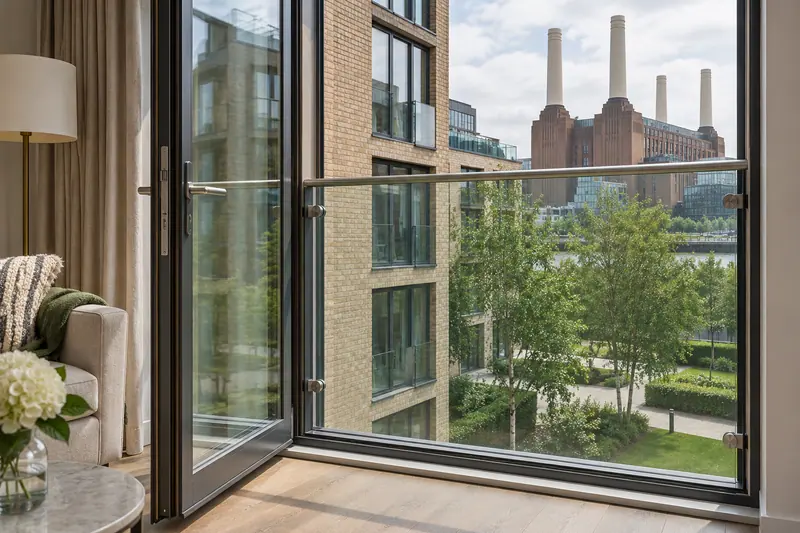
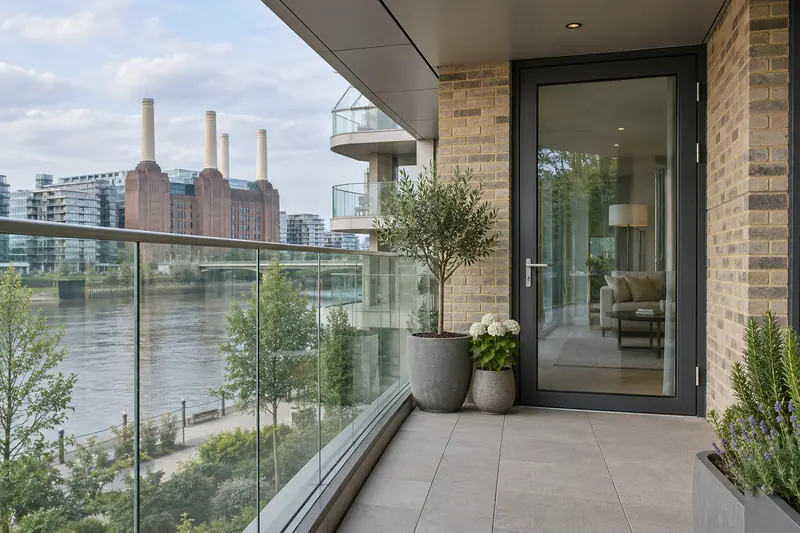
A plan that uses a communal door or sheltered approach should identify someone who can make it available. If there is a temporary closure, a lift is unavailable or vehicles are using the intended standing place, we assess the remaining route before bringing equipment in. Any alternative needs to allow control of the tool and preserve access for the people using the building. We explain which work can go ahead and which faces will wait for a fresh arrangement. A balcony enquiry may still have a useful set of room-side panes that can be cleaned safely on the original visit.
At handover we check agreed faces and speak to the customer or site contact about visible marks and access. An annotated pane list makes this a straightforward check for a business with several entrances. Tell us if one area is especially important, such as a visible front display or the pane nearest a terrace seating area. We can plan which faces to check first. For repeat work, record anything that determined whether we could reach the glass, including delivery restrictions, floor protection and where a key is collected. The next visit can then be agreed on the same basis when that arrangement still applies.
Ask for a quote that identifies the faces
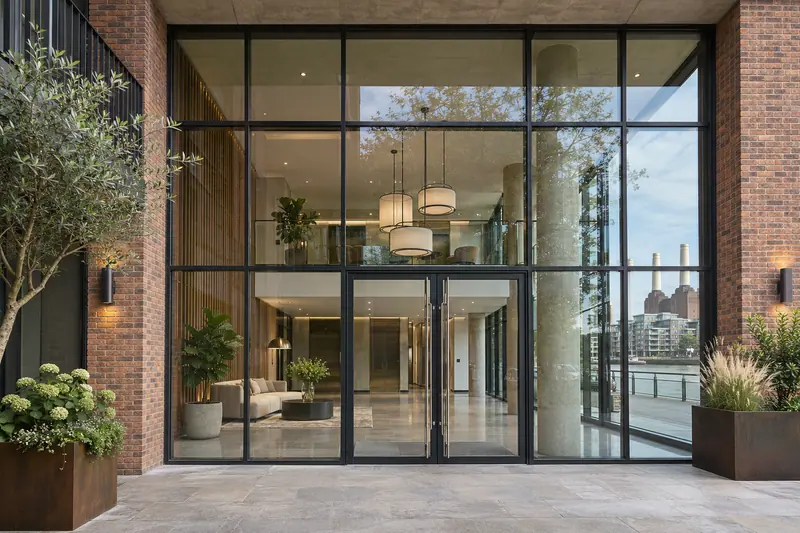
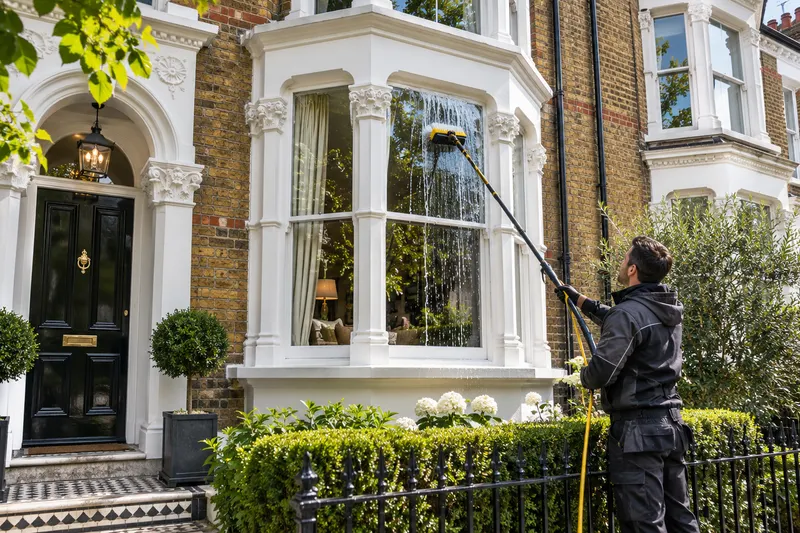
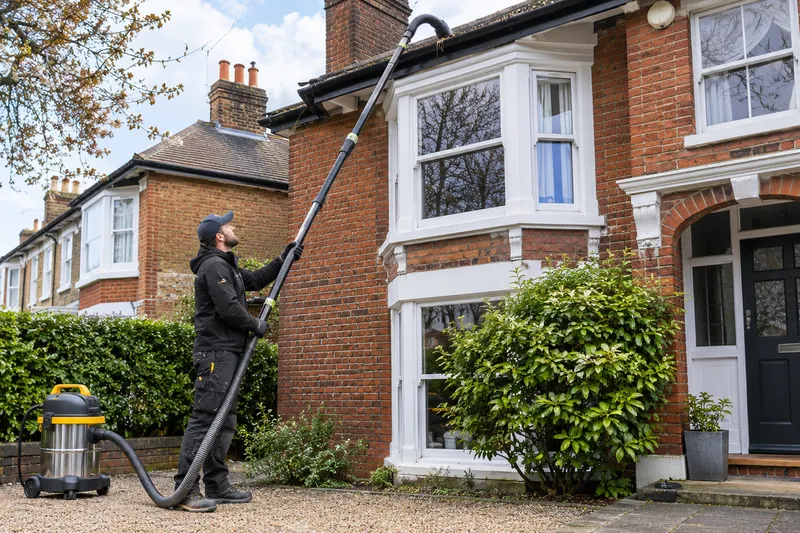
A quick total can be enough to start the discussion, but floor level and who controls the glass often affect a Battersea enquiry. Tell us whether you want a visit for an individual flat, a whole frontage or an internal common area. Separate terraced doors from balcony panels and mention a fitted screen, sealed unit or coating if you know about it. At a business, identify any front doors, fixed display glass and the panes on the inside of a lobby. A photo from the usual route helps us compare the quote with the real working position.
The window cleaning prices guide describes the main elements that affect a quote. If you have photos, give them a short description with the floor or room so we can match them to the notes. When one portion of the work requires a different permission or assessment, we can distinguish it from the faces where the route is clear. If you want more frequent washing for one part, such as doors used throughout the day, we can discuss how to set it out. At booking, the aim is that the person opening the premises can identify the work just as easily as the person who requested it.