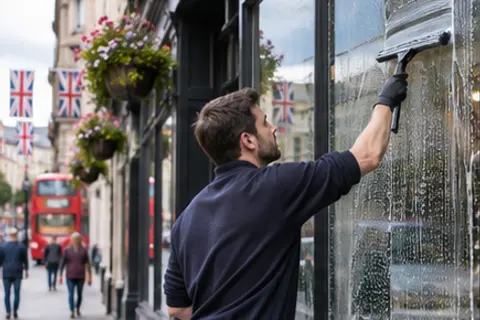
Identify the flat before counting the panes
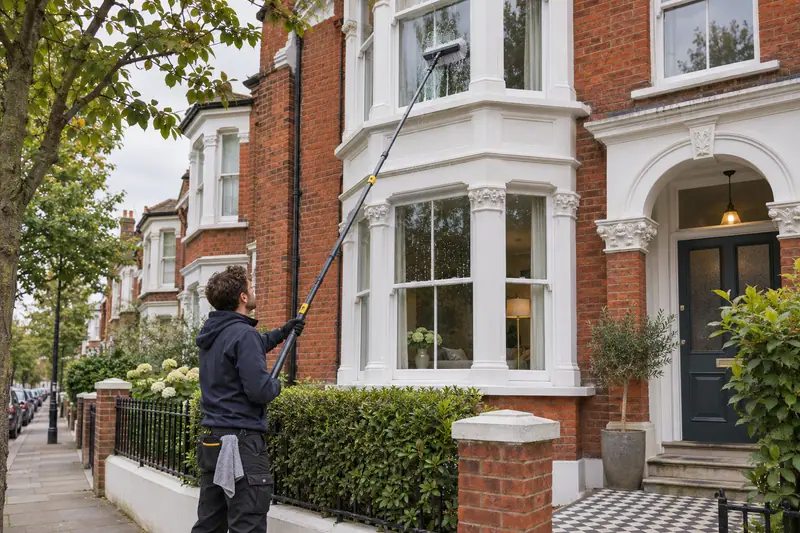
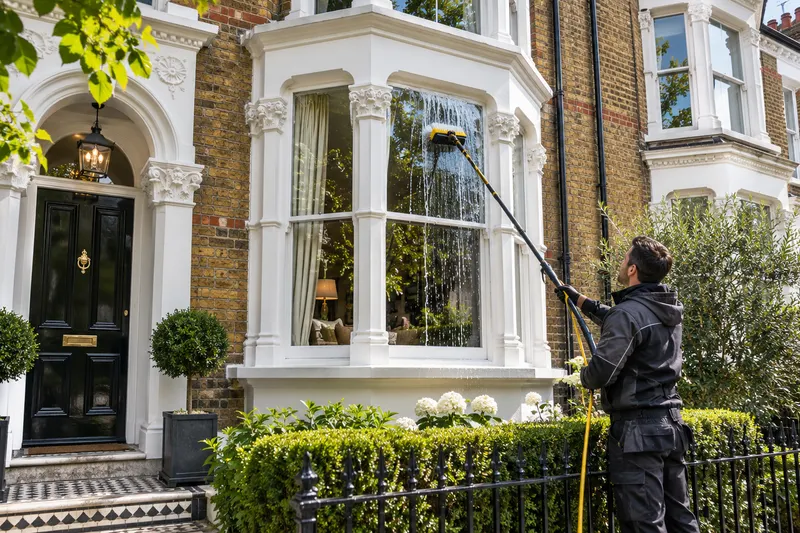
A front bay may stretch across two rooms, and the sash immediately above it can belong to a different flat. Tell us which floor you occupy, which openings belong to you and whom we should contact about a shared approach. With window cleaning in Fulham, a simple photo from the street often starts the conversation, but mark the panes or describe them clearly enough for us to pick them out. Say if you already have permission to bring equipment through a communal door. Where the exterior is arranged centrally, you may still be able to book reachable inside faces.
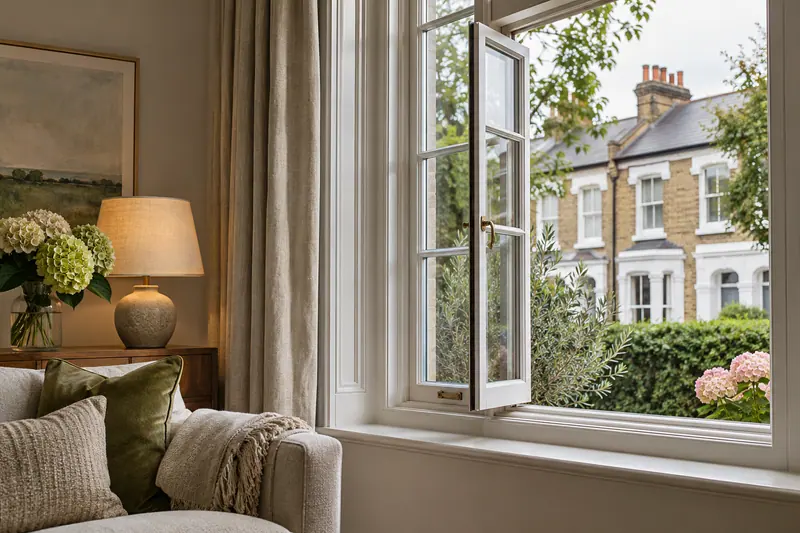
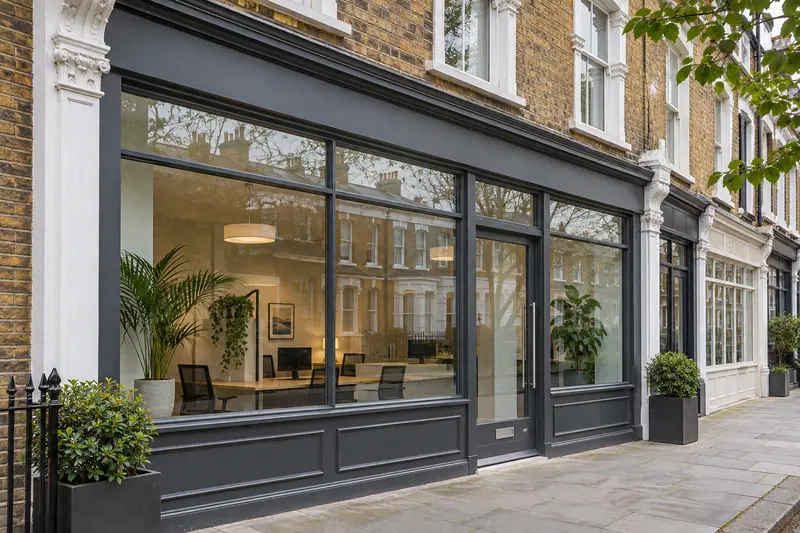
The council’s Parsons Green conservation area profile identifies timber sashes, decorative stucco and historic shopfronts among original features worth retaining. This matters when assessing a property because what surrounds the pane helps determine how we approach it. At a converted house, a restored front sash and a replacement at the rear can have quite different frames. Ask about residential window cleaning when you want to agree both together. We plan from the surfaces and routes at your building, including which glass can be approached normally and which needs a separate decision.
Measure the useful space across a side return
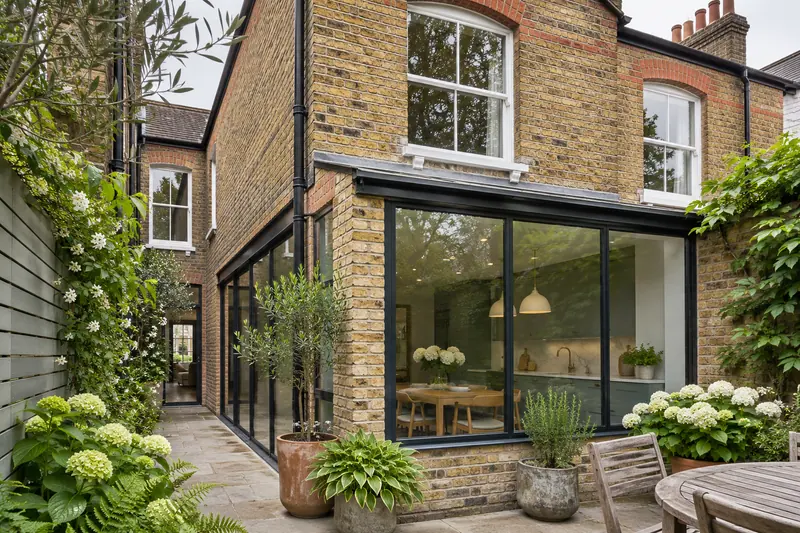
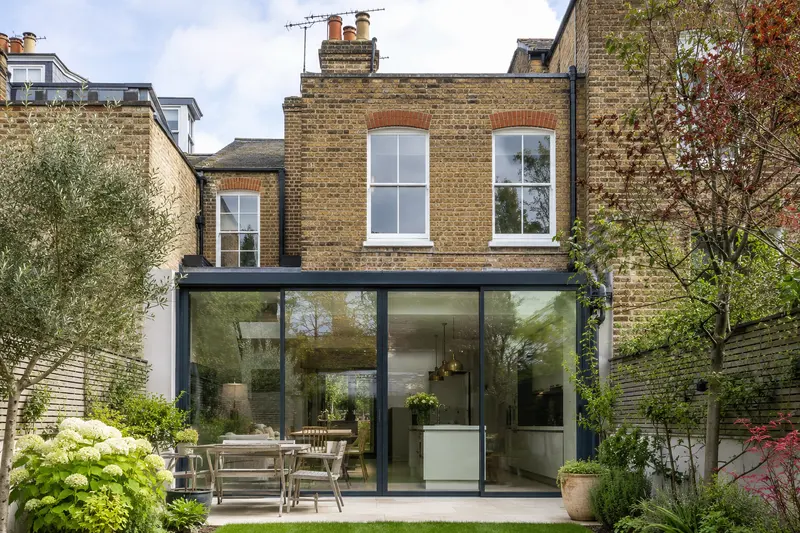
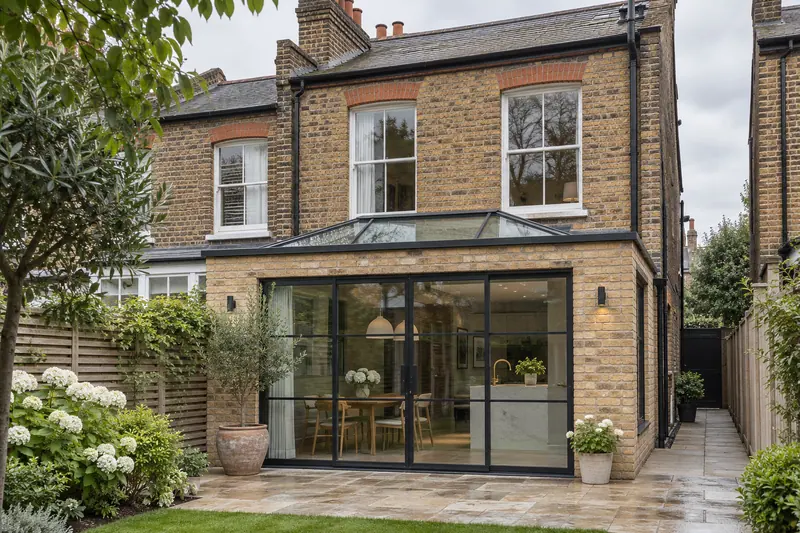
From the pavement it may be clear that a window sits above the ground floor. What is harder to see is the distance from the standing position to the edge of the rear addition. A side return can have an alley, a partly glazed roof or a set of steps into the kitchen. Where the space is enclosed by another building, the pole may reach the height on paper while still being unable to meet the pane at a useful angle. Give us a photo from the side that shows the ground, the roof and the upper window together.
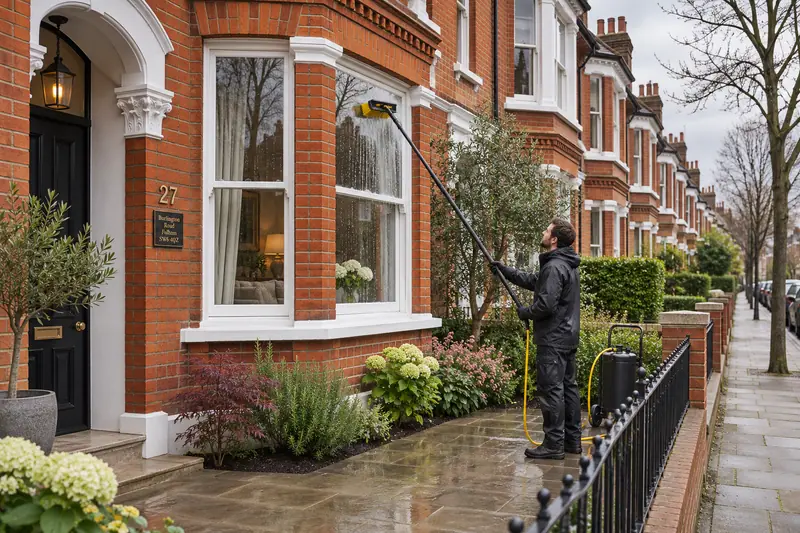
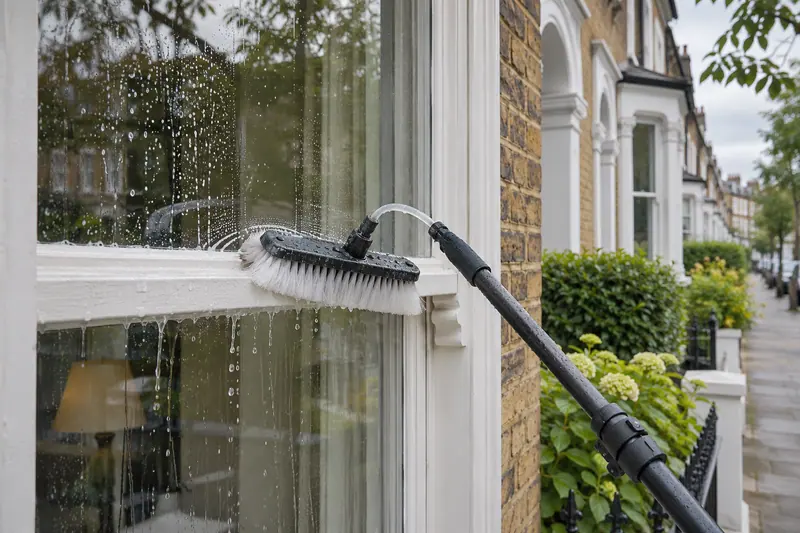
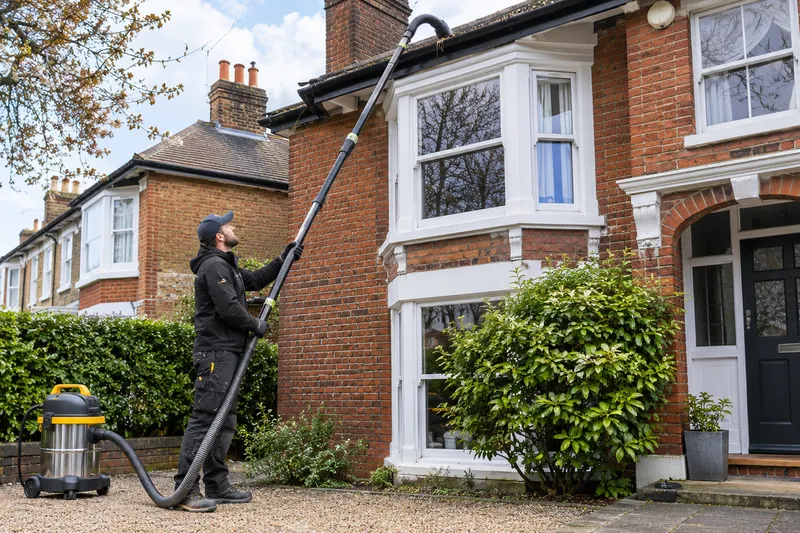
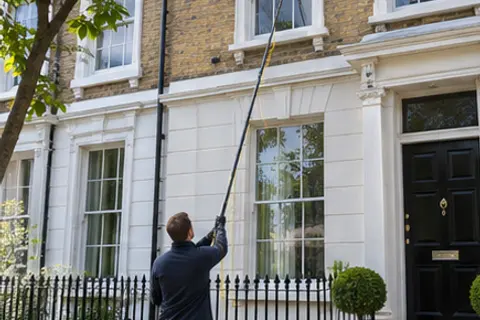
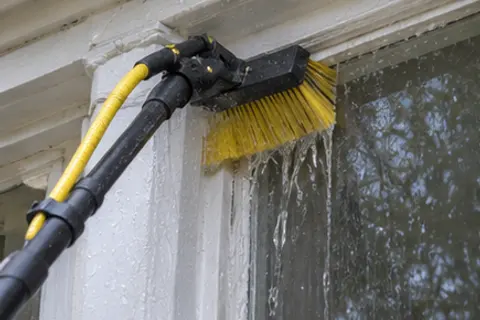
Even on an outside-only enquiry we check how we get round to the back. A communal hallway may have carpet or corners where rigid equipment cannot be turned. If a garden gate opens into a narrow route, tell us where the hinge and handles sit and whether there is a second gate at the far end. When access is tight we may agree a different order for the reachable panes or assess a smaller group first. High-reach window cleaning depends on having a secure ground position with enough room to guide the brush to the frame edges.
Give basement glass a separate place in the enquiry
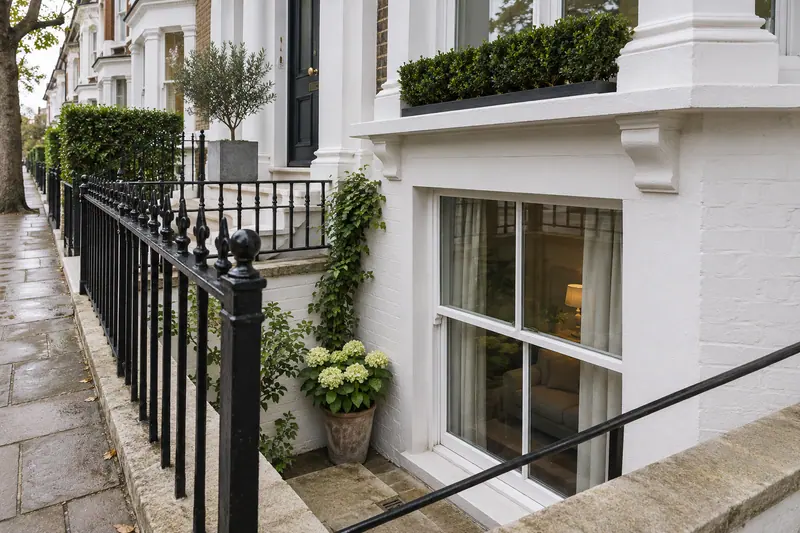
A sash close to street level can actually sit inside a lightwell where the person above it cannot stand close to the pane. We check the gap behind the railings, whether there is space at the bottom, and who can open any gate or door. A shallow recess may have pots, utilities or an air brick right next to the window. Tell us about those details and whether you also have ordinary room-side access. Reach from the pavement cannot be inferred just from the visible top of the glass, and we discuss both faces before promising to include them.
When sending a photograph, stay on the ordinary approach and include the whole opening and the boundary above it. For glass close to the threshold, we check where moisture can be collected and whether the area is used as an entrance. An inner pane could be hand-cleaned from a useful position even when the outside is not accessible on the arranged visit. If you have a cellar window with several smaller panes, mention its glazing bars and any furniture inside. We identify the room or entrance clearly on the quote so a lower window is not overlooked in a list of front faces.
Hammersmith & Fulham Council’s Parsons Green conservation area planning record