Read the fall of the ground before measuring the glass
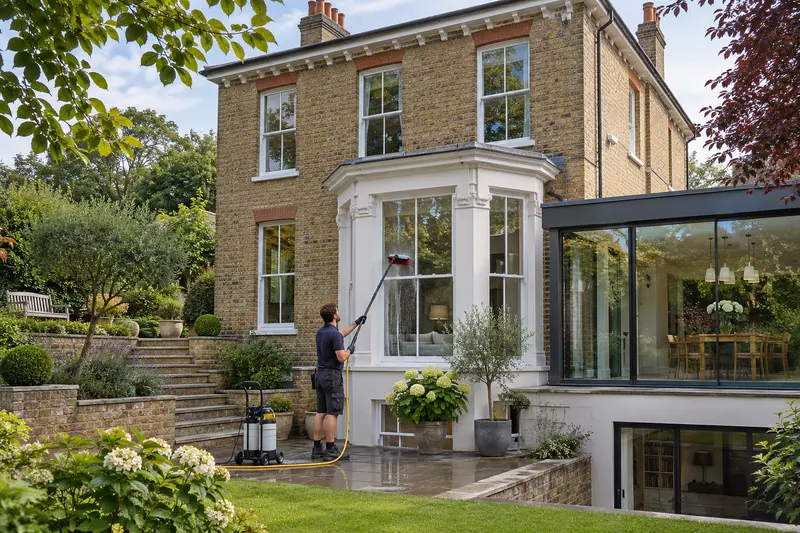
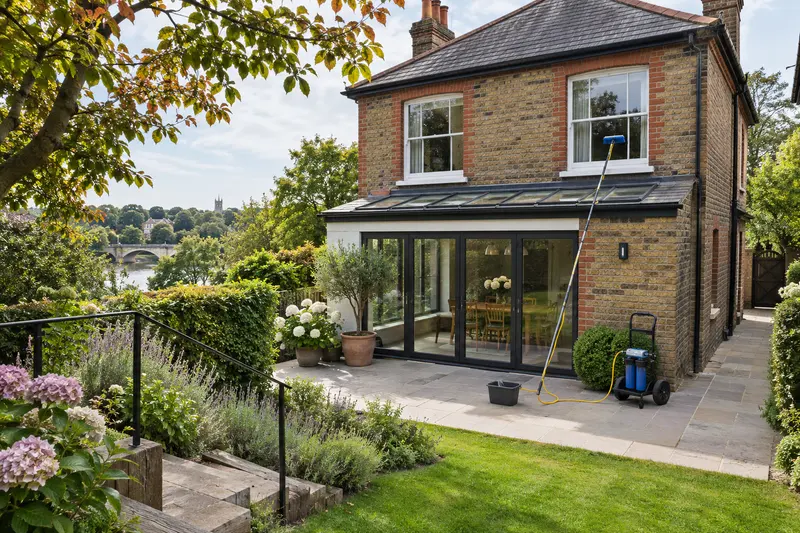
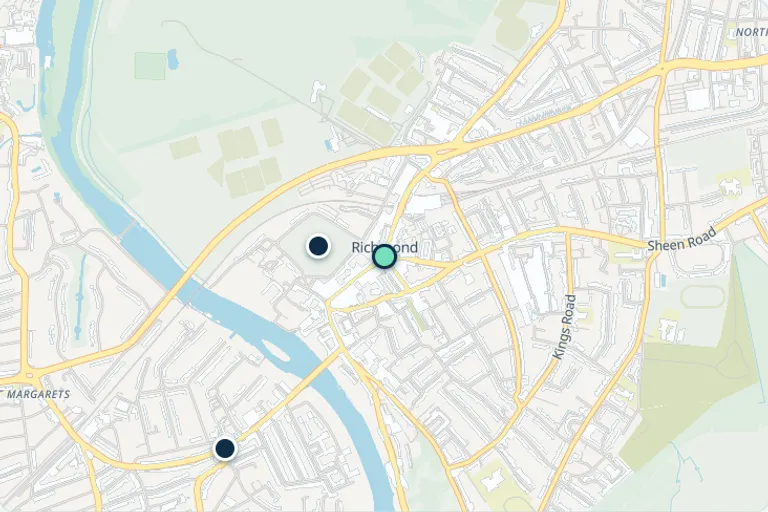
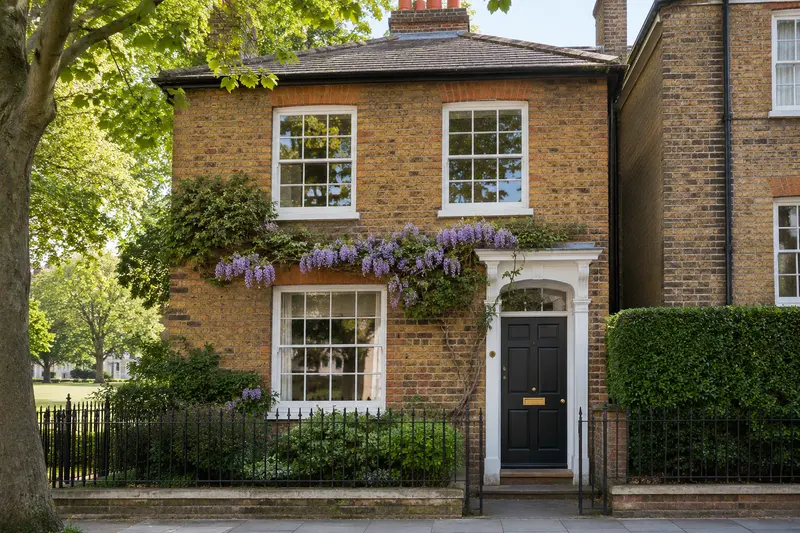
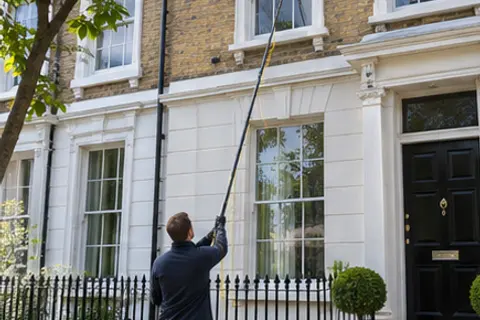
Richmond Hill’s conservation appraisal describes how the ground rises away from the Thames, with roads and gardens at different levels. That matters when a customer says a window is on the first floor. Seen from the front door it may look like an ordinary upstairs pane. Seen from the lower garden it can be considerably farther above the only useful standing surface. We ask which side the floor level refers to and look for a photograph showing the whole elevation, including steps, retaining walls and the route down from the house.
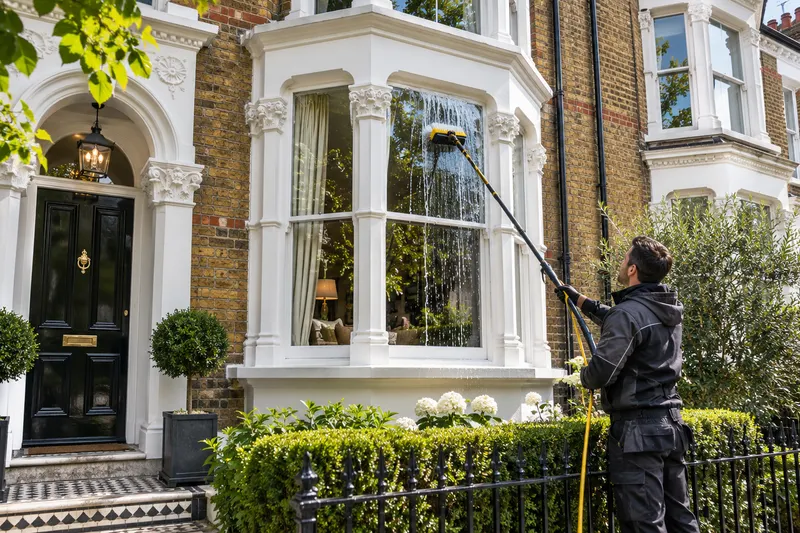
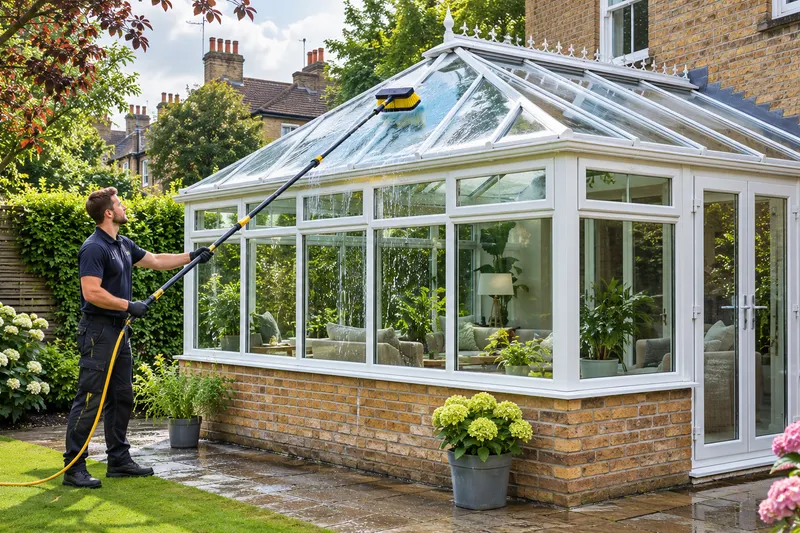
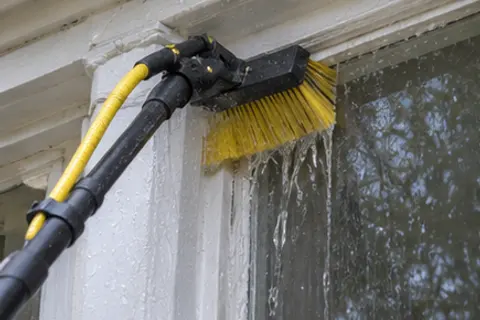
A water-fed pole needs more than a line of sight. We need somewhere stable to stand and enough space to bring the brush into contact with the edges of the pane. A low retaining wall may keep an operator too close to the glass, while planting can rule out the wider position that would otherwise work. We check the garden and the street separately. A pane that can be washed from one side does not establish that the same equipment can be used from the other. When the arrangement is unclear, we agree the reachable faces before fixing the job.
Bring the equipment along a route the household can still use
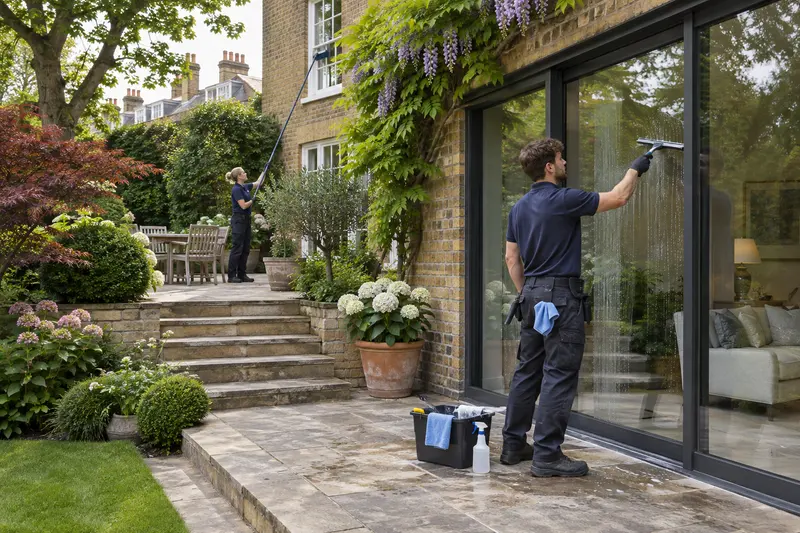
For a garden visit we ask where a side passage begins, whether the gate opens fully and which steps lead to the terrace. A route through a garage is different from one across a wooden floor or up a shared drive. Let us know about narrow turns, planters and doors that must keep opening during the appointment. A hose should not be laid where someone has to step over it every time they move from the kitchen to the garden. We agree the working area before starting and change the order if the route for people needs priority.
When access is through the house, tell us which route the occupier is happy to use and where wet equipment can be set down. Dry hand tools for inside panes are a separate matter from getting a hose to the rear. If part of the job is easiest to approach from a neighbour’s side, that permission must be clear before it is relied upon. We can often discuss a different visit covering just the accessible elevation. It helps to say which glass matters most rather than treating the entire property as one item.
Put the property details in the order that helps a quote
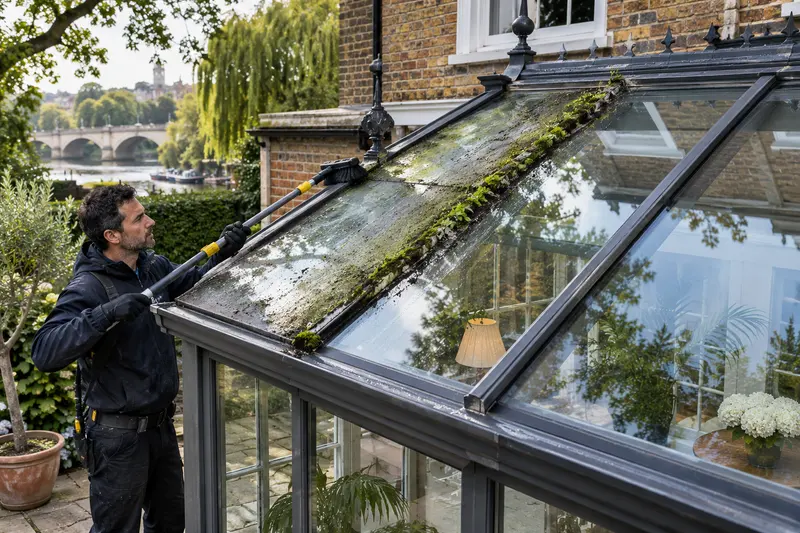
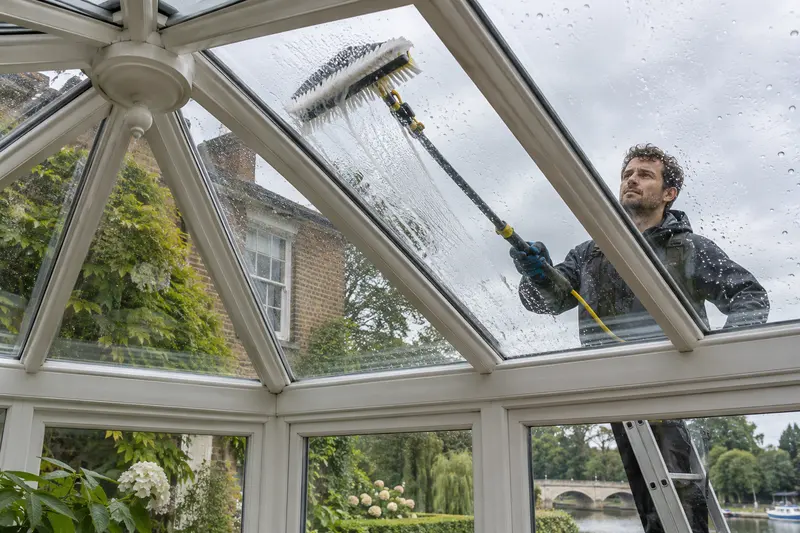
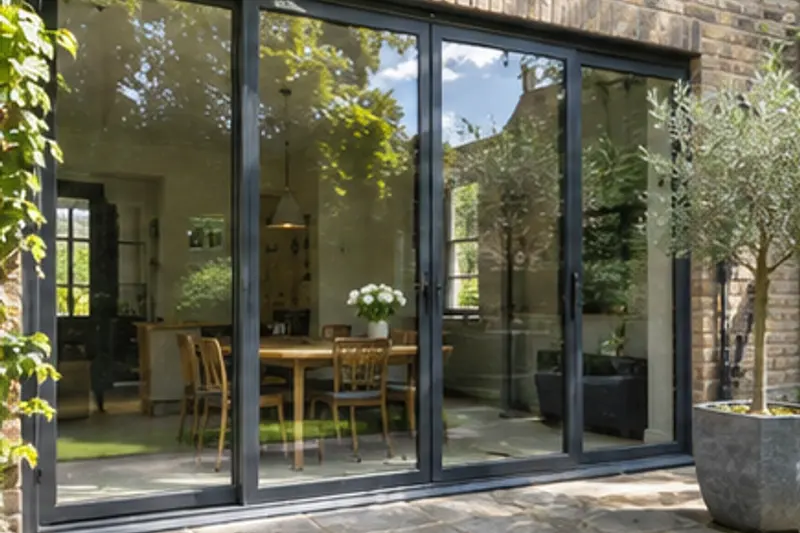
For a Richmond enquiry, start with the postcode and the property type. Describe the rear and front levels separately if they differ. Name the patio doors, fixed panels, upstairs windows or conservatory roof you want considered, then explain which faces are included. Supply a wide garden photo showing any steps and the roof line. Note a narrow side gate or a shared path that controls access instead of assuming the cleaner can enter from whichever side appears closest.
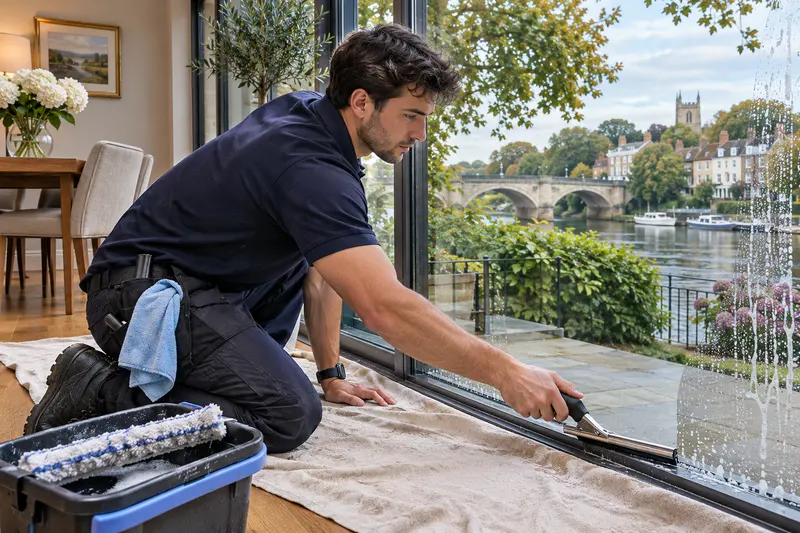
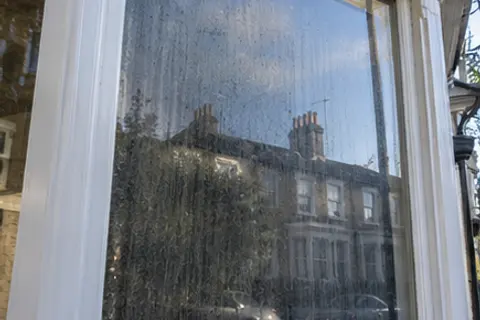
If the job involves interior glass, include the rooms and anything fragile near the panes. For a business, add the premises contact and useful working hours. We use these details to choose where to inspect first and decide whether the visit can reasonably cover everything. Where access still needs checking, we explain which parts can already be priced and which depend on a further look. That gives you a quote you can compare with the glazing you actually want cleaned.
Richmond Hill Conservation Area Appraisal