Give the building contact one clear list
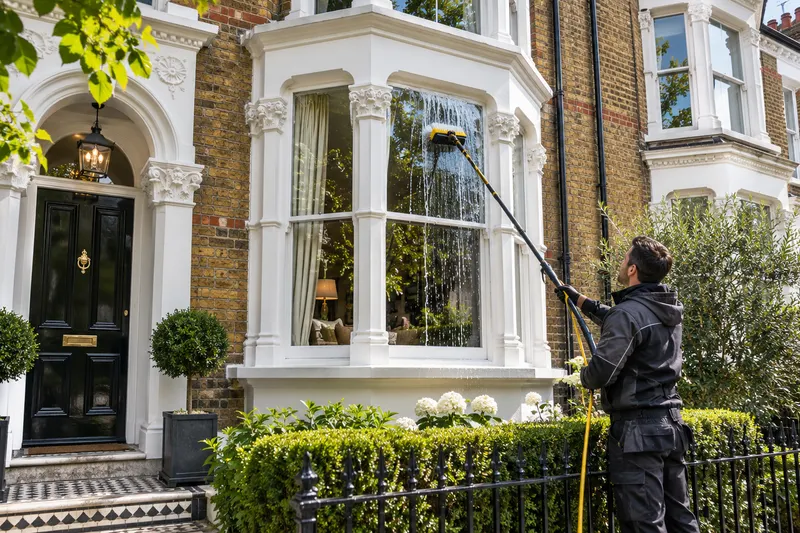
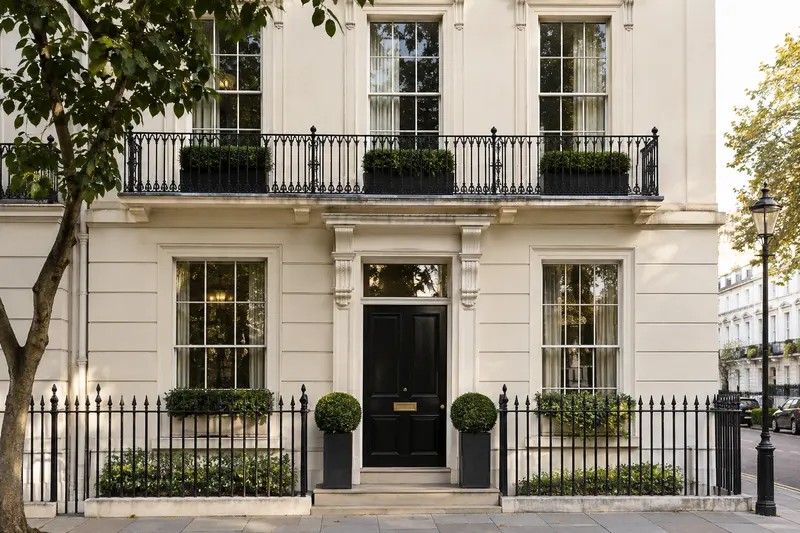
For a flat or managed building, send the contact person and the parts they can admit us to in a single message. Include private rooms separately from the hall, staircase or common basement approach. Mark the floor and direction of the panes as you know them. A short room list with an outside photograph can distinguish two similar sashes and keep the visit centred on the openings you actually want cleaned. Do the same for any window with a lock, restrictor or unusual opening sequence that residents are accustomed to using.
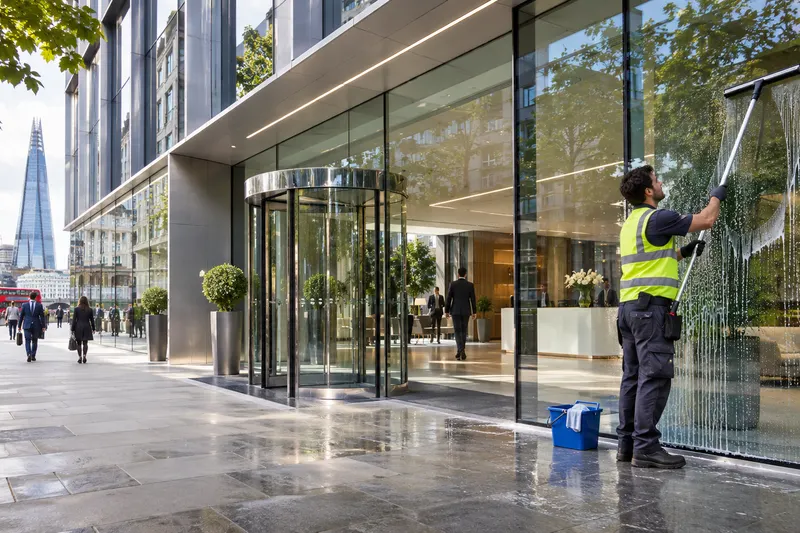
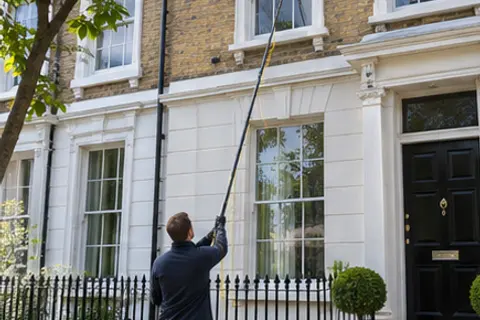
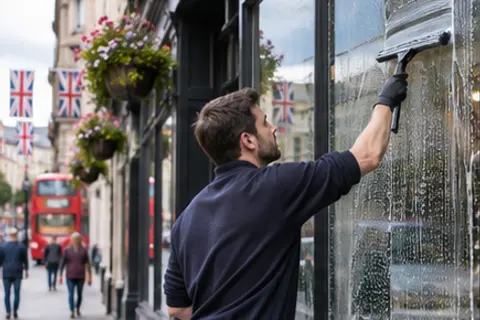
A private office or ground-floor business can make a similar list for commercial window cleaning. A visitor sees a single building entrance, but somebody may book its exterior faces and somebody else the interior reception glass. Set out who controls each door and whose timing we need to respect, including anybody using a private stair. Name the contact who can show us where to set down equipment. This is especially helpful if a front route must stay clear and there is a second entrance we can use with permission.
Give two photographs that answer different questions
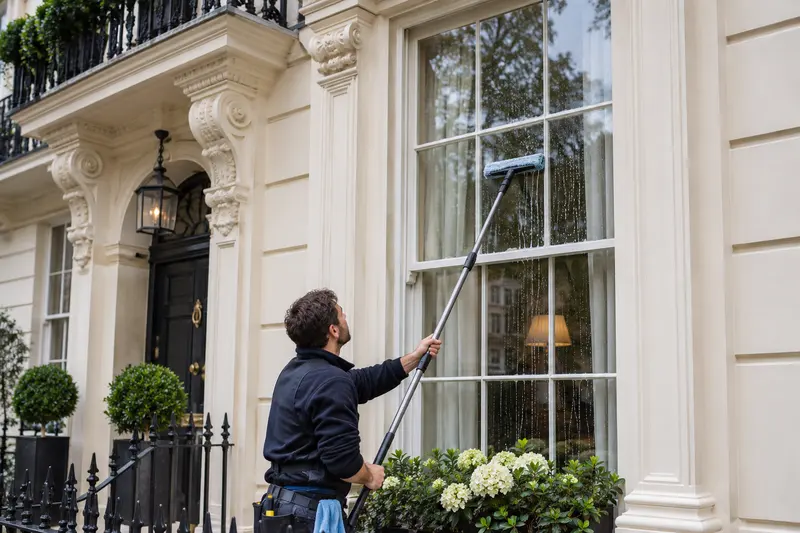
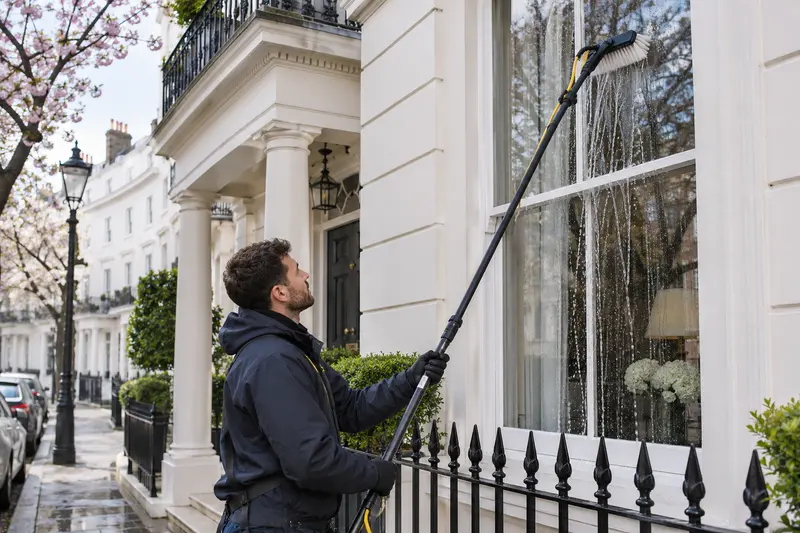
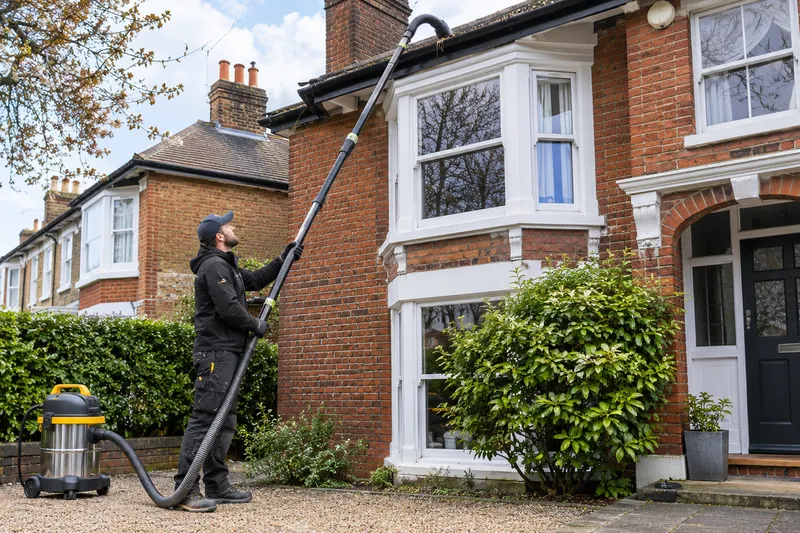
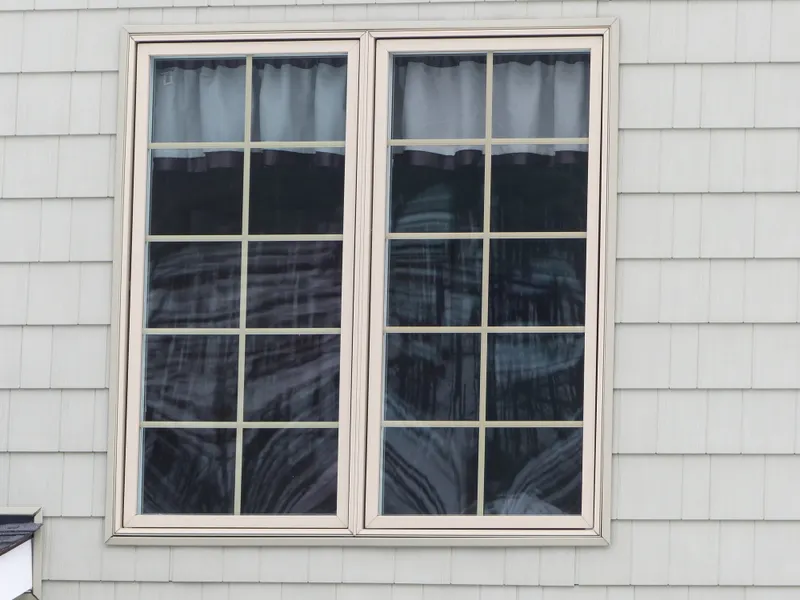
For an estimate, the wider image is often the more useful one. Taken safely from an ordinary route, it shows the bottom and top of the required opening, the distance from the entrance and what is immediately below the sill. The second image can show a frame corner, an unusual handle, a fixed guard or a mark that has survived an earlier clean. Wide and close views together let us judge whether the mark and the reach need discussing separately. A picture through another pane can confuse reflections with marks, so say where you stood.
If you have only an inside image, pair it with the floor number and describe what lies below outdoors. We’ll ask any questions that remain before agreeing the work. On the day, a newly parked vehicle or a locked shared gate can change the position we planned to use, so we check it again before setting up. The estimate should say which faces are included and identify anything still awaiting a check. Review the window cleaning prices for ways to describe the job when asking for an individual quote.
Look at the finish where you actually use the room
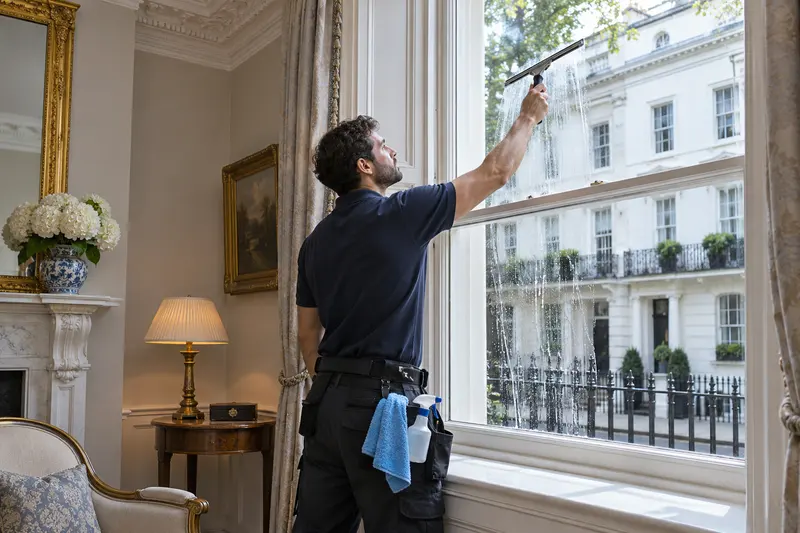
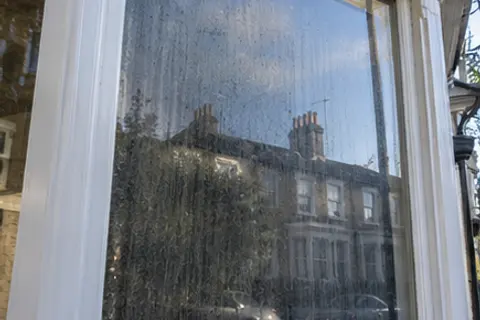
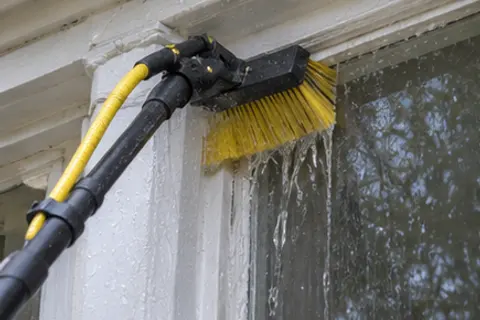
A glass check is best made from a position you can normally reach. On a tall sash we look at the lower edges and along reachable glazing bars after washing. With an outside pure-water rinse, give the glass time to drain before judging it. Film, dust and loose dirt behave differently from a scratch or mineral deposit still attached to the pane. If there is mist between sealed panes, the normal view may show it best when the light changes. We can describe a remaining issue and discuss whether it calls for a separate assessment.
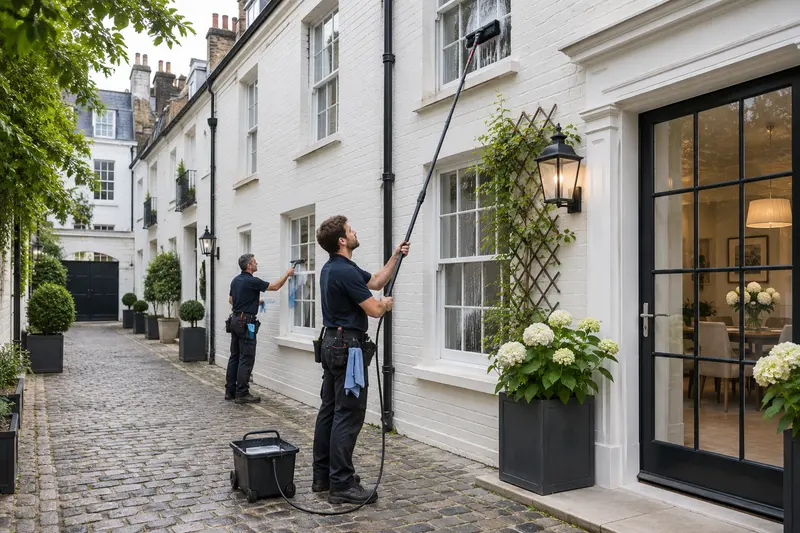
At the end, we confirm the faces cleaned and mention any opening that was left out by agreement or because the access changed. When discussing regular visits, think about which glass starts to look tired first from inside the room. A bright front room, the fanlight over a busy door and the glazed panels in a sheltered mews may each benefit from a different interval. We can record those preferences and the permission needed for the rear access, then check the arrangement again before the next visit.