Choose how to wash the sheltered side
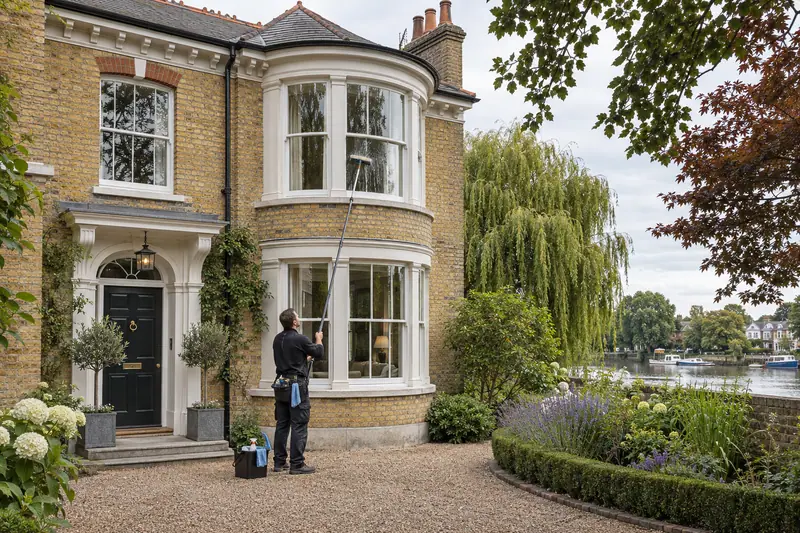
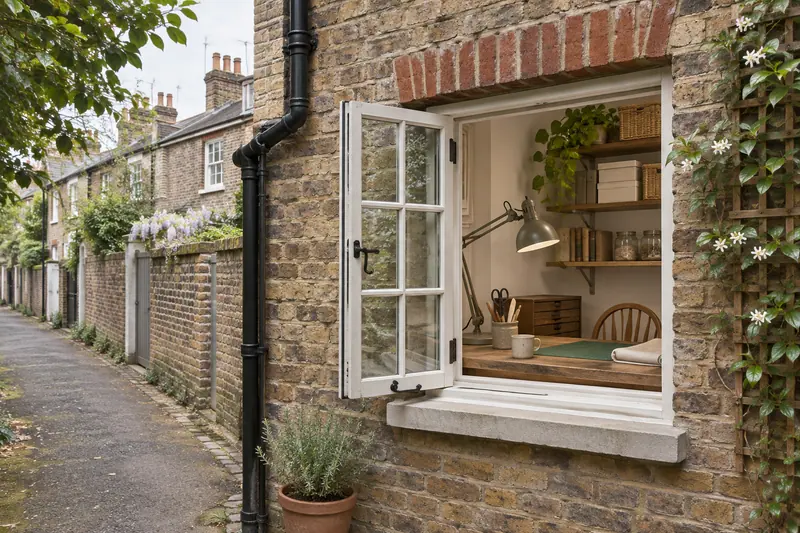
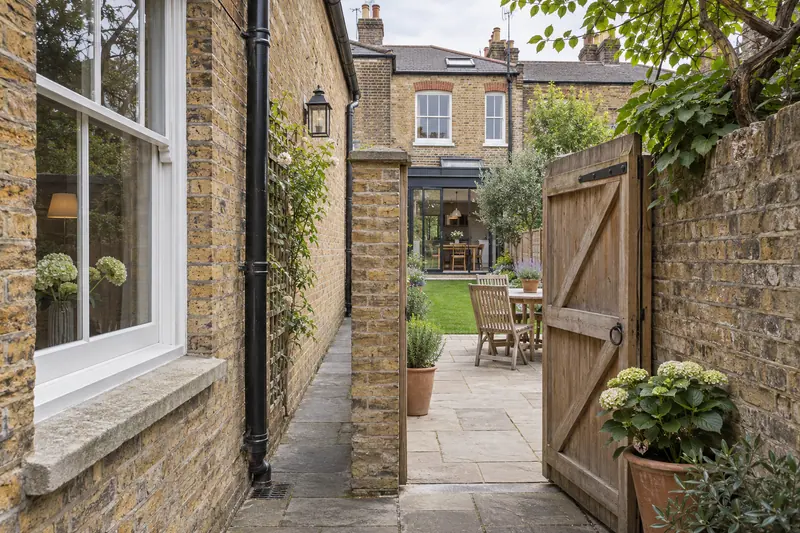
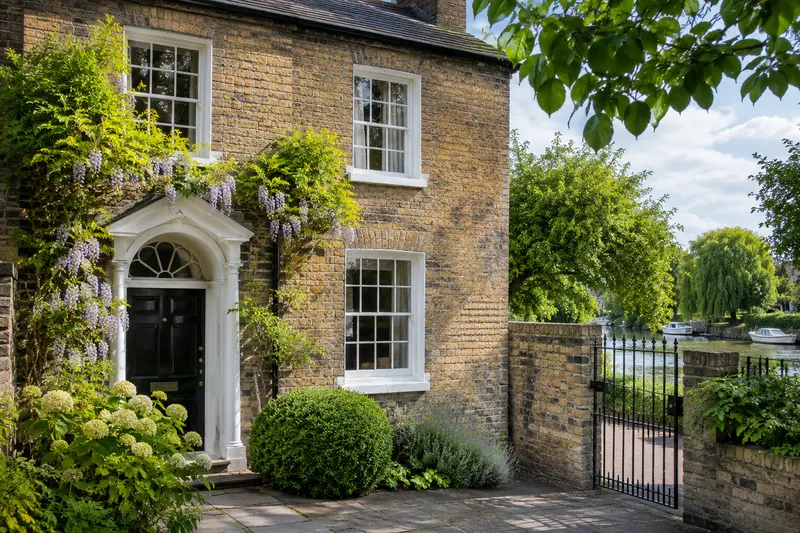
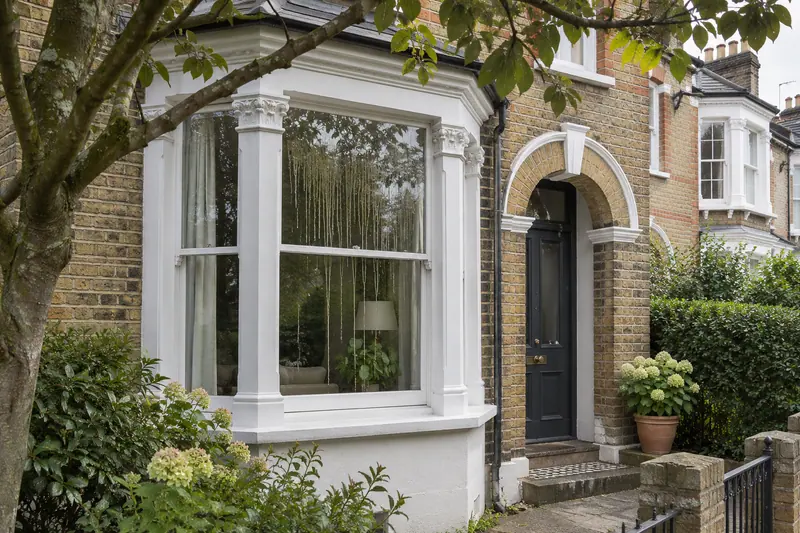
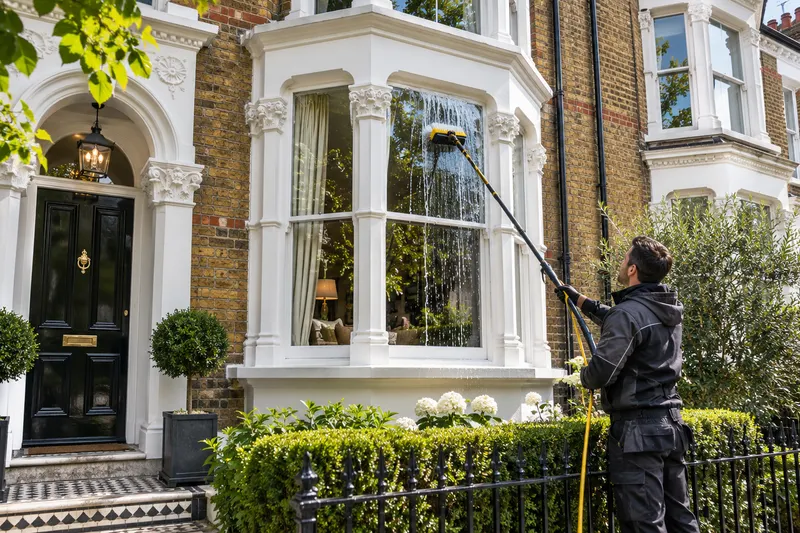
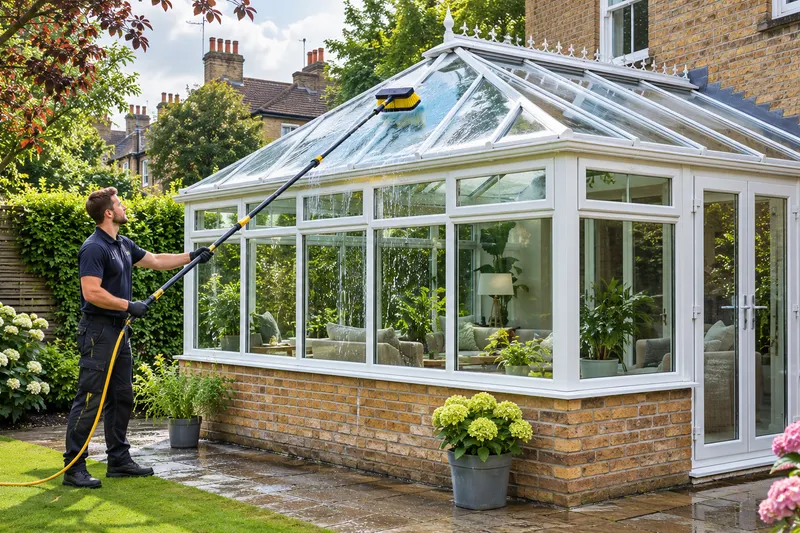
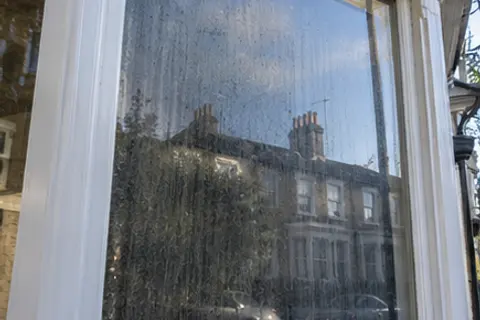
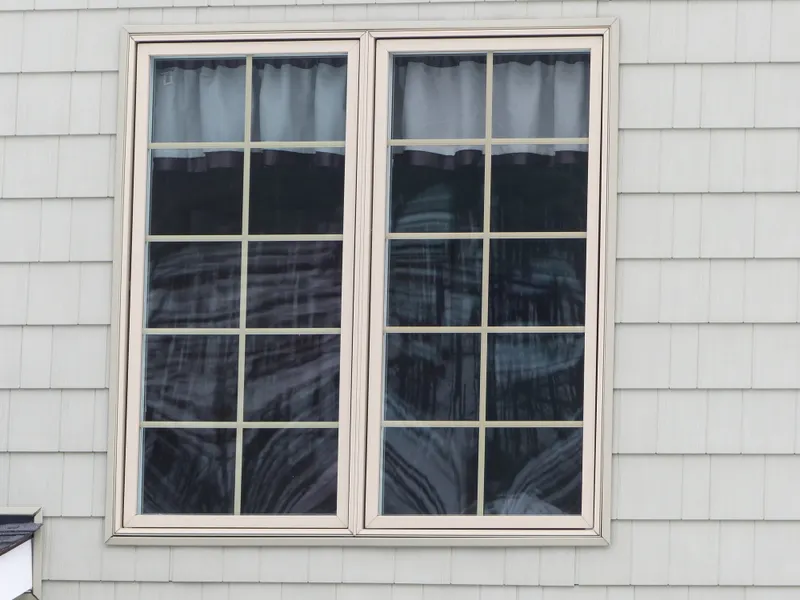
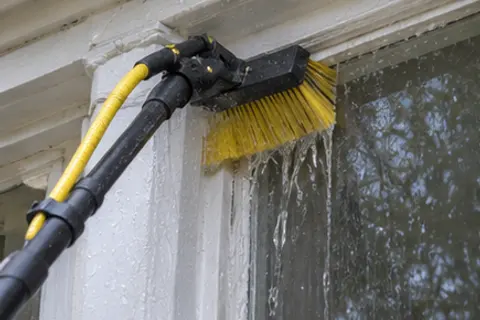
Where a tree sits close to a house, sheltered panes can collect dry fragments around the lower corners and show streaking from a repeat drip. We check the exposed surfaces to see where material has settled. On suitable outer panes, a soft brush can release loose pollen or dirt and purified water rinses it away. If the branch or the wall makes one edge hard to reach, we change position where possible. Any area the agreed approach cannot cover is discussed before we move on. Wash water needs room to go somewhere sensible, especially around a side gate or patio.
When the loosened dirt has rinsed away, we assess what remains from a practical angle. A stain sitting in the surface, adhesive on a newer pane and haze inside a sealed unit can need different decisions. We explain what we can tell and ask about the history of the mark if it remains after the routine wash. An exterior window cleaning booking can cover the sheltered face independently of the street-facing glass. If the clean is to be repeated, suggest which group begins to look dirty first. That gives us a basis for discussing how often to wash it without assuming every elevation needs the same interval.
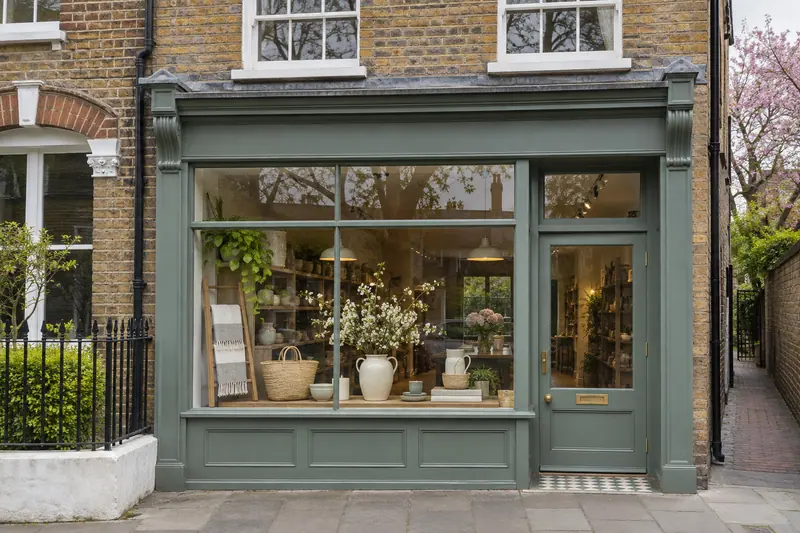
Fit the shopfront wash around the doorway
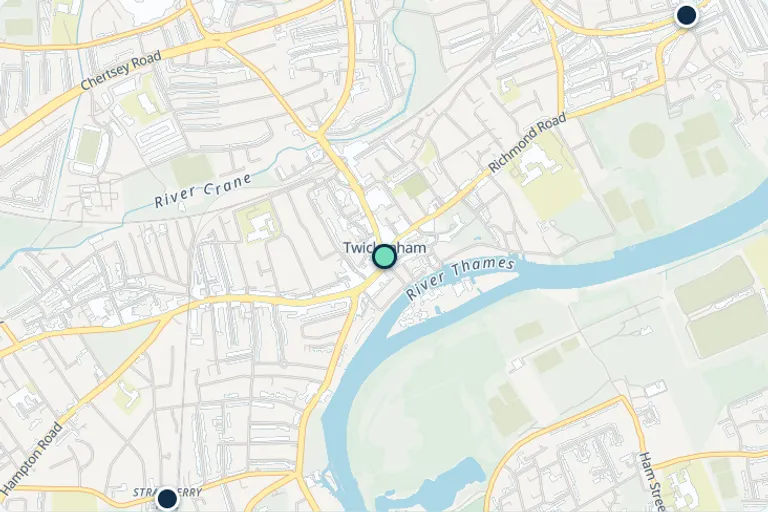
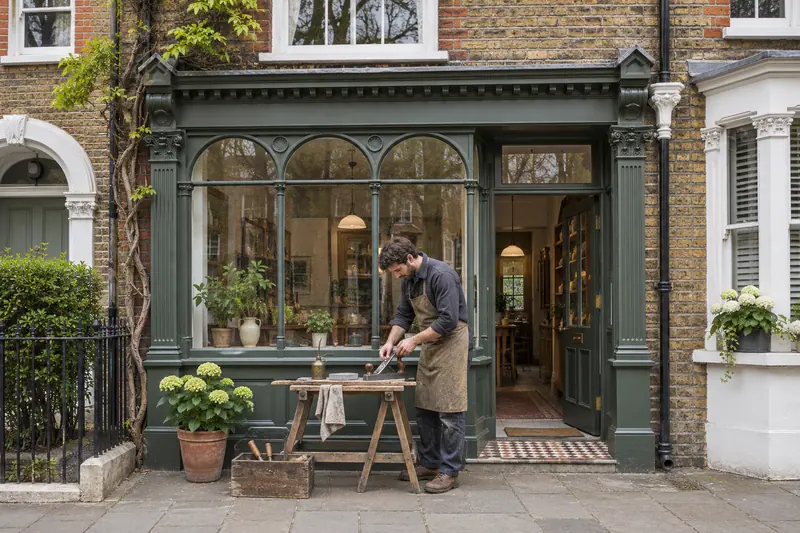
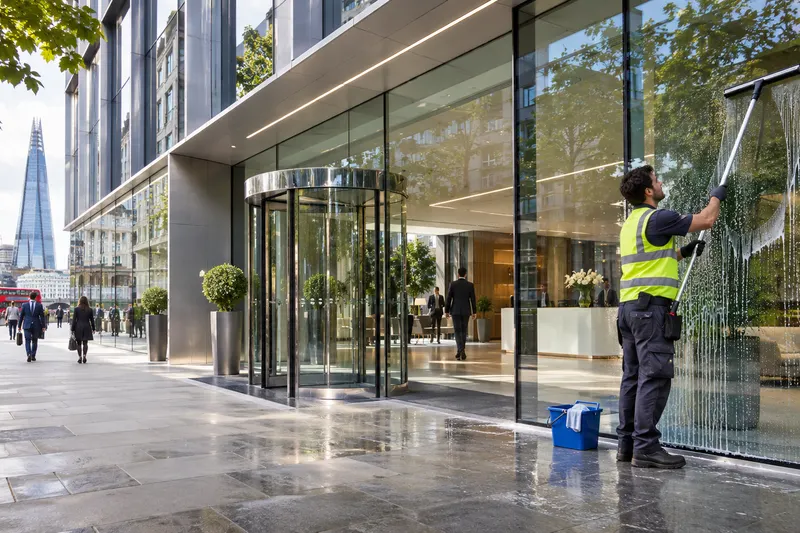
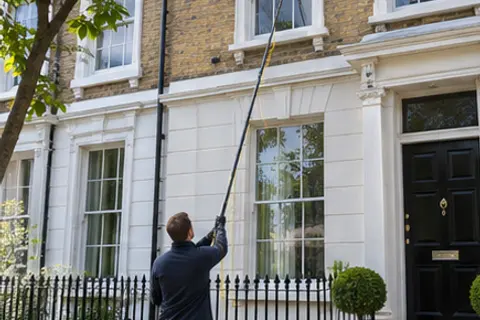
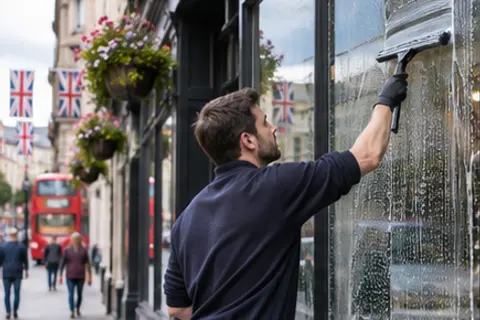
The council appraisal notes the traditional shopfronts on Church Street and describes examples around Richmond Road. On a site visit, a modest shopfront may consist of several separate faces, including glass beside the main display and above the doorway. Tell us when people use the door and whether we should consider the glass behind a display as well as the outer face. For reachable glass, hand tools can control moisture near a shop threshold, provided there is enough room to guide the blade. Upper lights and recesses are assessed on their own positions.
For shopfront cleaning, the person arranging the visit can tell us what stays in use and what staff can move. A light display close to the glass may need to be shifted, while more permanent shelving can change the faces we can reach. Mention any film, applied lettering or an older panel so we can take the surface into account. If both sides are agreed, we plan where a cover can sit inside and collect moisture in a way that keeps the doorway and floor usable. Before leaving, we check around the edge of the door and explain any detail that could not be addressed.
Agree what goes on the booking
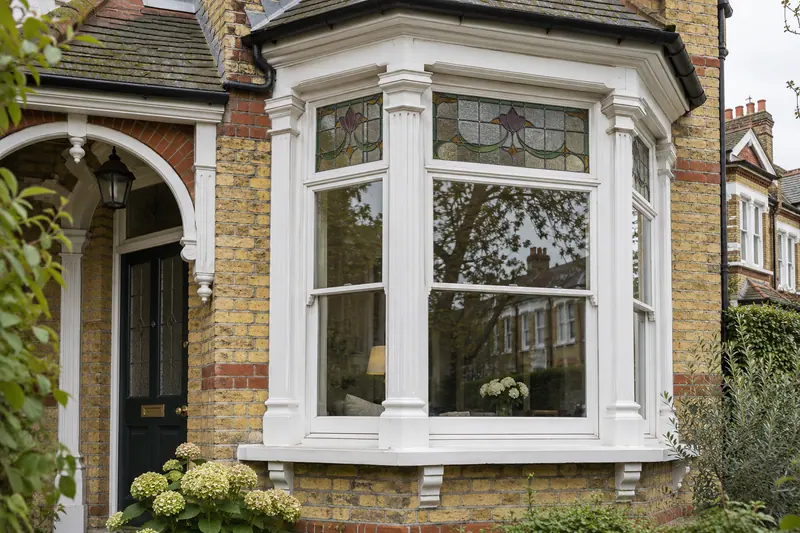
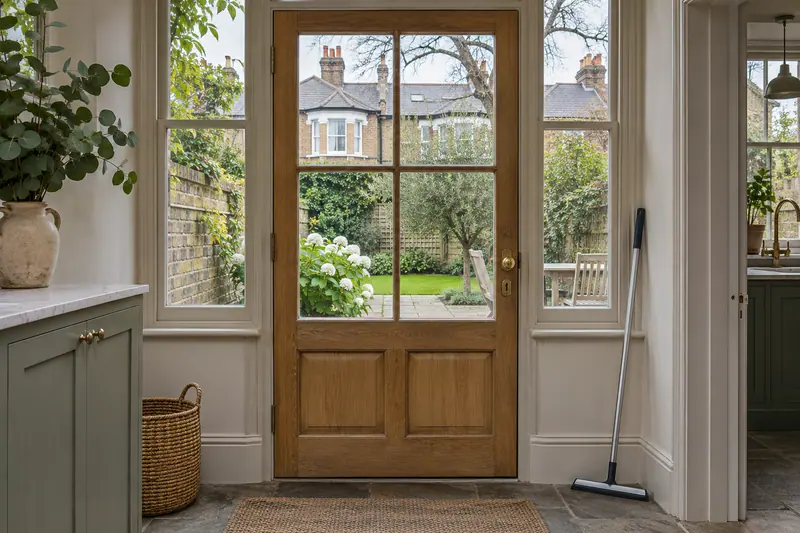
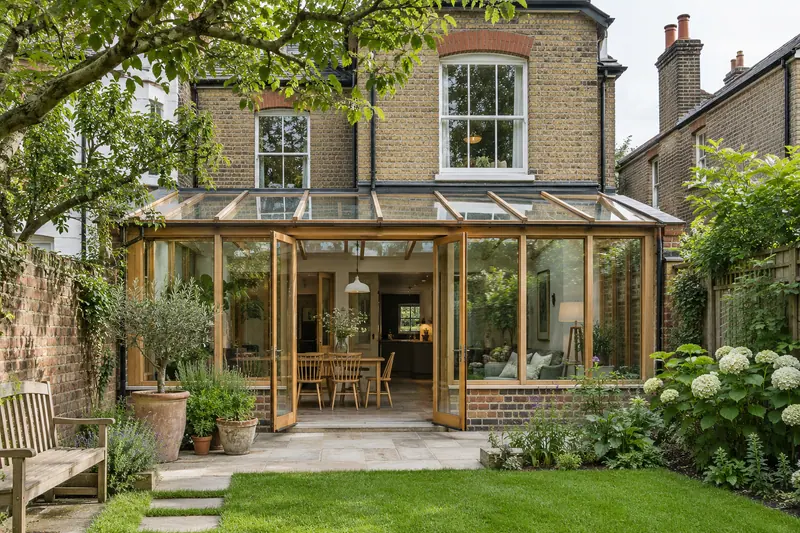
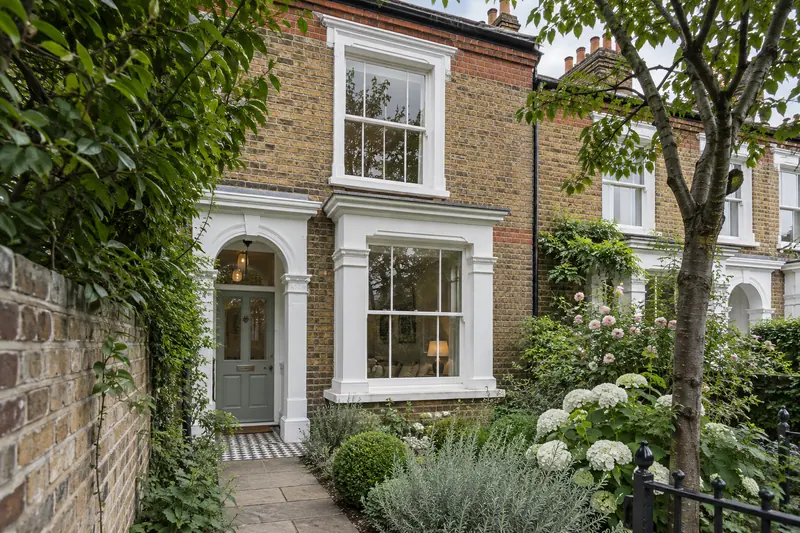
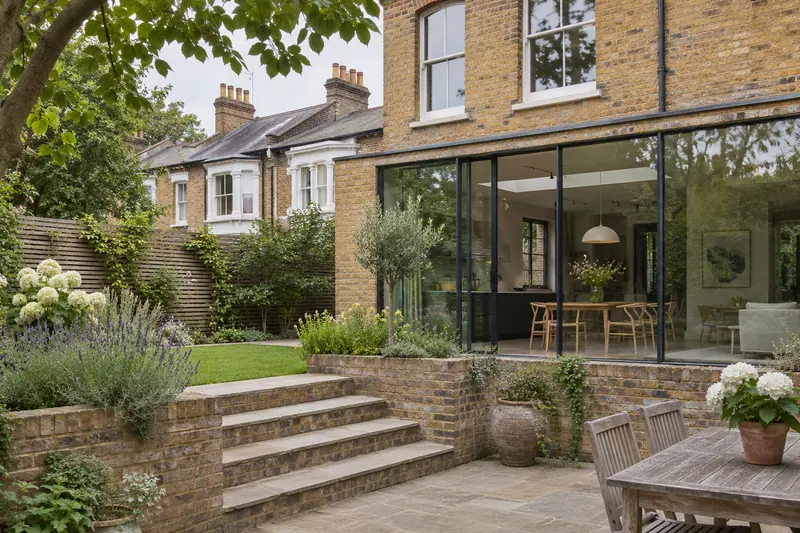
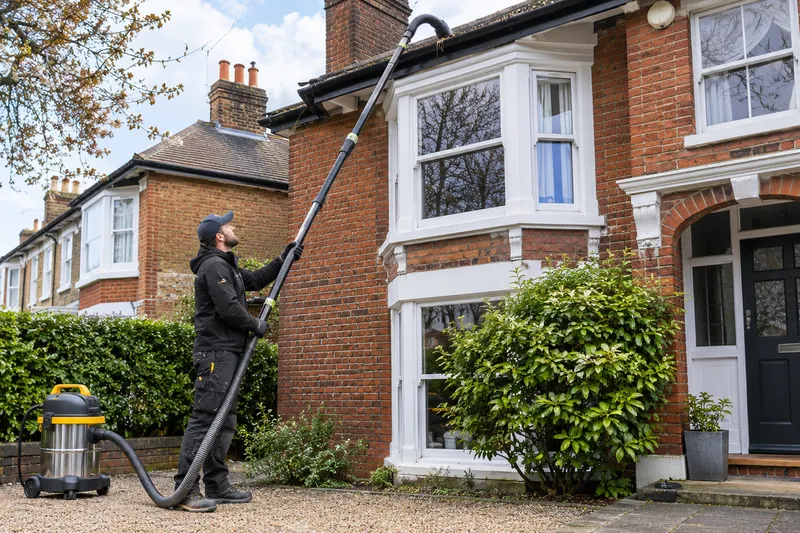
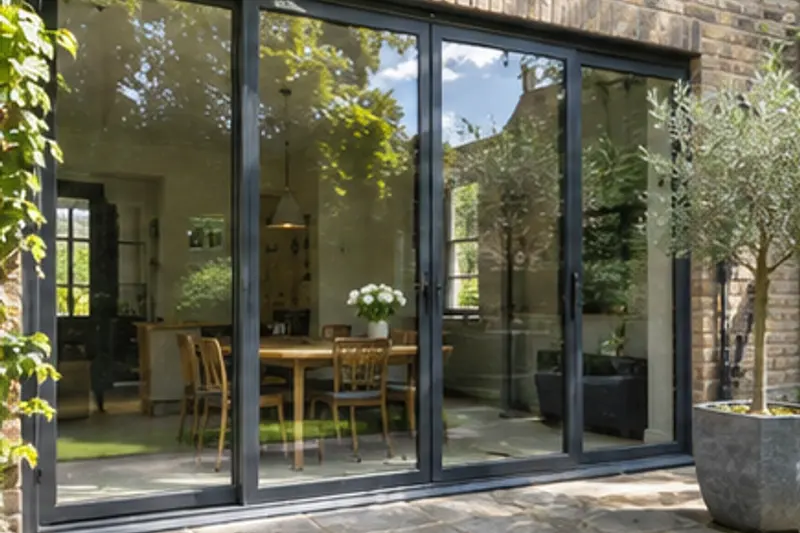
The useful information for a Twickenham enquiry is the postcode, type of property, openings you want cleaned and any approach that depends on a gate or keyholder. Say which panes face the garden and which face the street or a shared path. If there are rear doors, identify fixed neighbours and whether both sides should be cleaned. A bay or veranda may raise a question about a glazed roof, a fanlight or a lower step. The window cleaning pricing guide explains why the time and access required by those details affect the quote.
At the start of the visit, we confirm what is included and the ordinary route through the property. If a garden path needs to be used by a neighbour, we agree when there is room to work. A worn painted surround or new pane that comes with care guidance should be discussed before contact. After completing the agreed wash, we look around the edges and check the route and surfaces immediately below. If a pane could not be reached or a mark remains, we identify where it is. This gives you a record that can be used to agree adjustments next time.