Set a washing order for sheltered glass and the side route
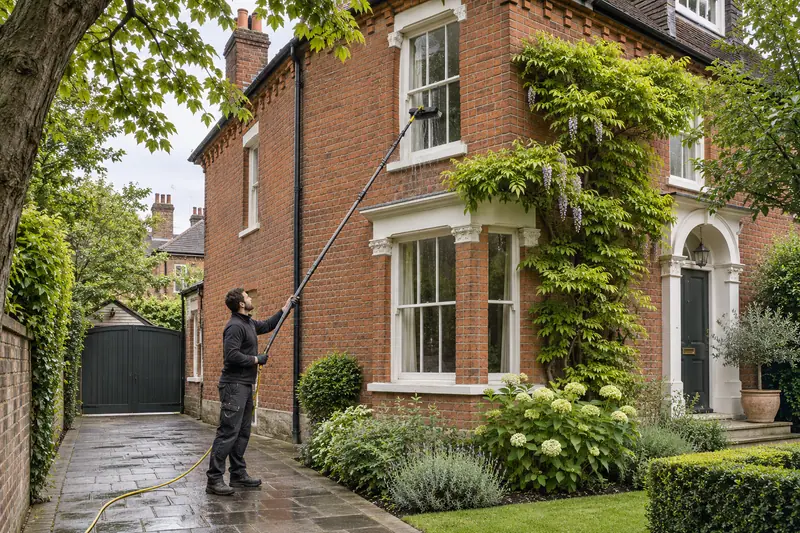
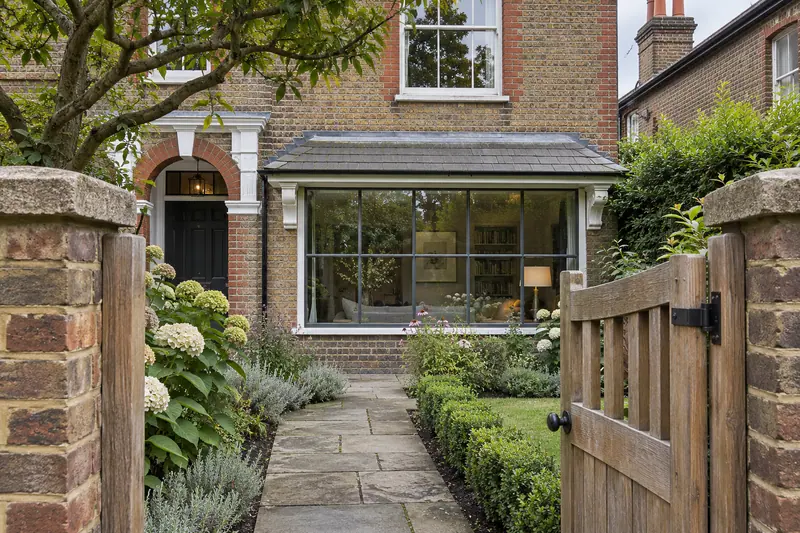
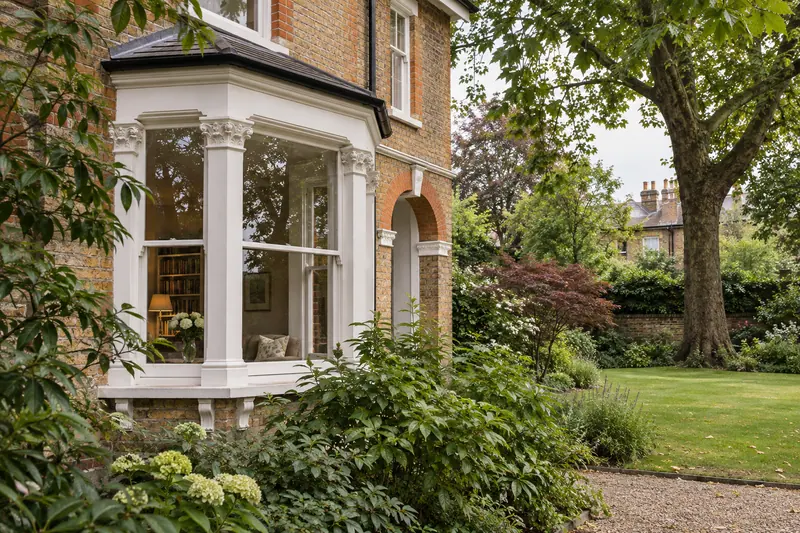
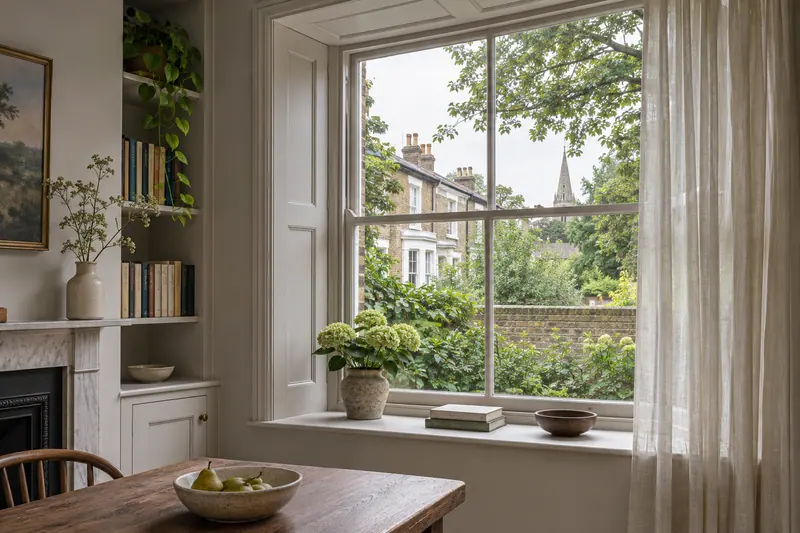
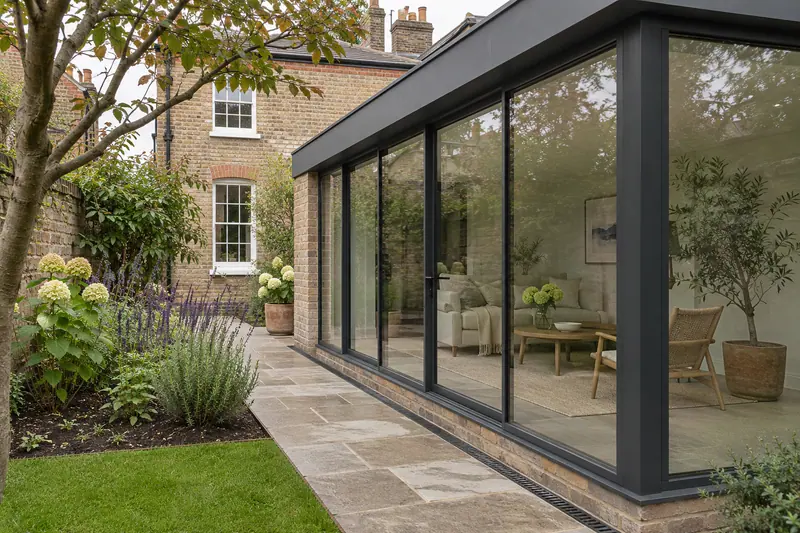
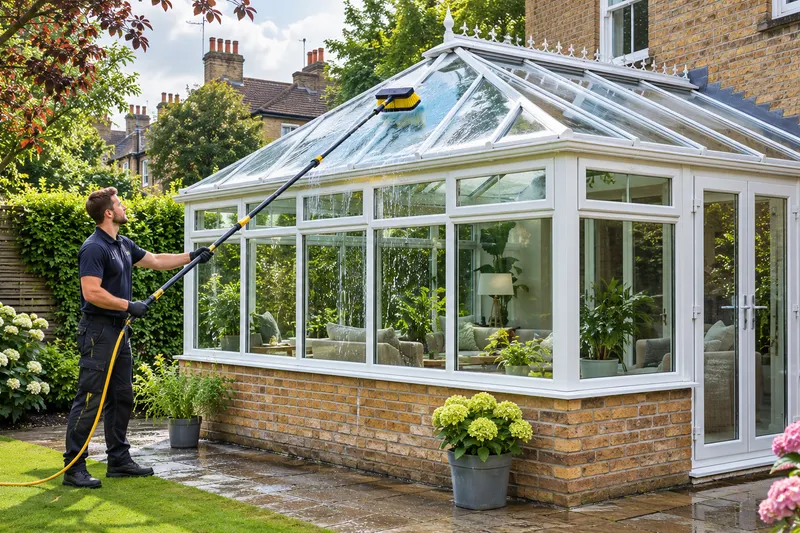
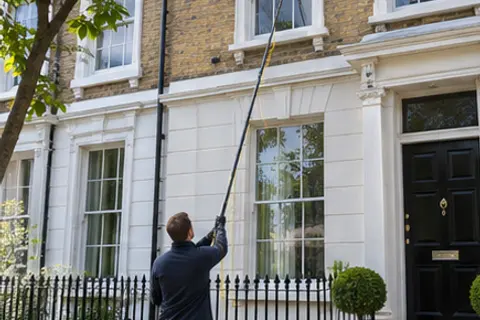
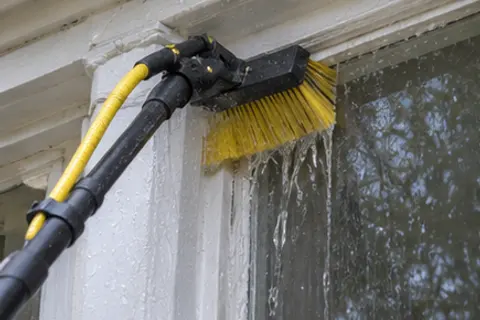
A garden room near greenery may gather pollen and loose material along an exposed rail. We check how the material sits and where water can go. With a suitable soft brush we loosen dirt on agreed reachable outdoor panes and rinse it away. If sound frames and upper edges are included, we start there so dirt from above has time to run down before we finish the lower glass. Purified water reduces minerals in the rinse. At a covered door or a step we may use a hand tool when it gives better control from the available position.
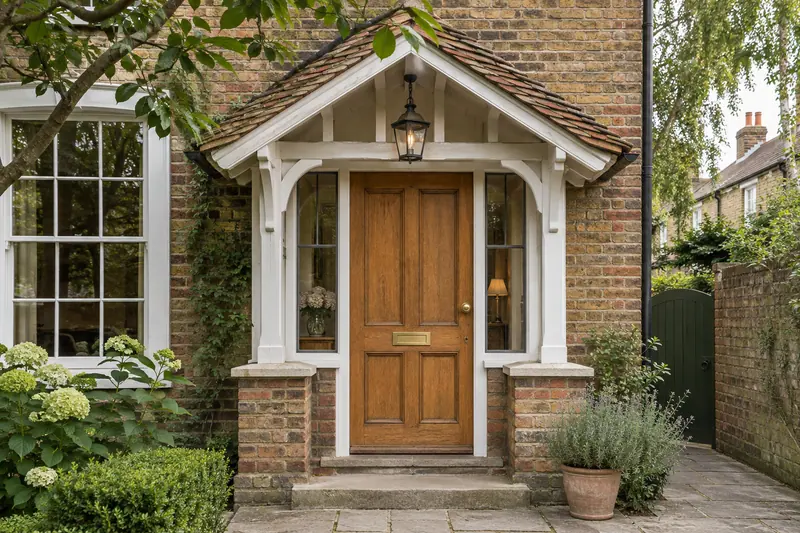
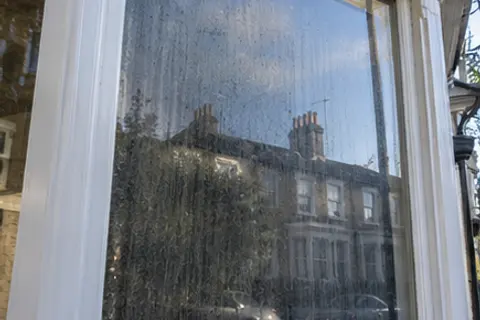
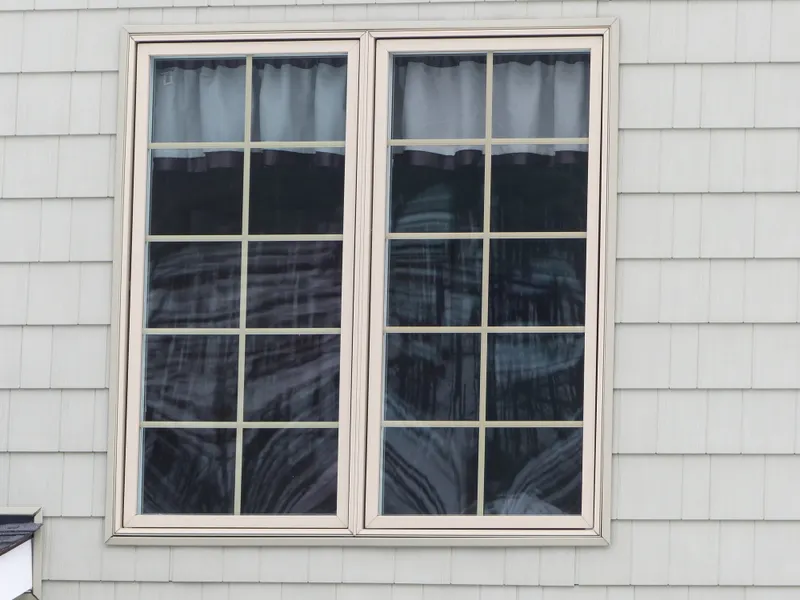
A drip from a porch roof can repeatedly wet a narrow stripe. A pale deposit may remain after the usual wash and should be discussed on its own. We review what remains visible and ask about prior repairs or surface guidance. A mark within a sealed unit or scratch needs a different assessment from loose dirt on the exposed surface. For outside window cleaning, mention if the stain is the main reason you are enquiring. Once the planned wash has been completed, we check the reachable edges and note any limit to the result, including where access or surface condition changed the work.
Plan the village shopfront around the entrance and display
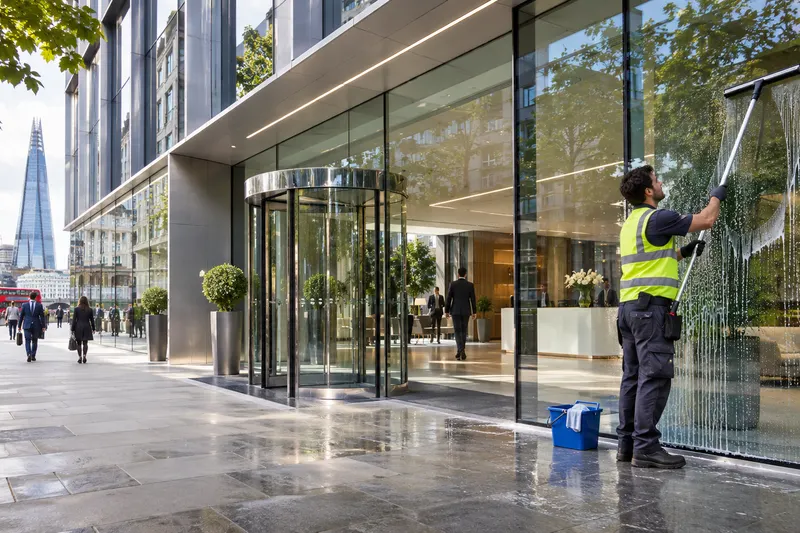
Southwark’s appraisal describes both purpose-built shopping parades and houses with ground floors converted to shops. At a particular property, the recessed entrance and glass divided by bars can affect what we approach and how we work. Tell us which door is in use, what sits directly below the panes and when the entrance becomes busy. A display can have fixed side panes or top lights that also need to be identified. Before shopfront cleaning, confirm any interior faces staff want cleaned and which display items can move to give room to guide the tool.
For reachable glass we can choose a controlled hand wash where it suits the surface, and use clean cloths near the lower rail to collect moisture. Mention applied lettering or a coating and which side it sits on. The doorway might have a matwell or a floor with little tolerance for standing water. We make sure the person on site can show us the working area before cleaning close to the threshold. At the end we check agreed outer and inner panes and review the route used by customers. Any later visit can follow the same arrangement if the display, opening times and access stay suitable.
Put the garden side and street side on the quote
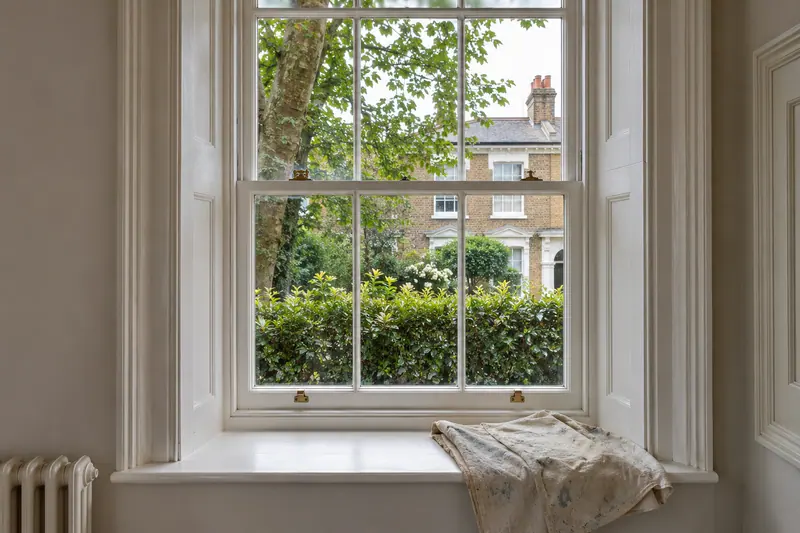
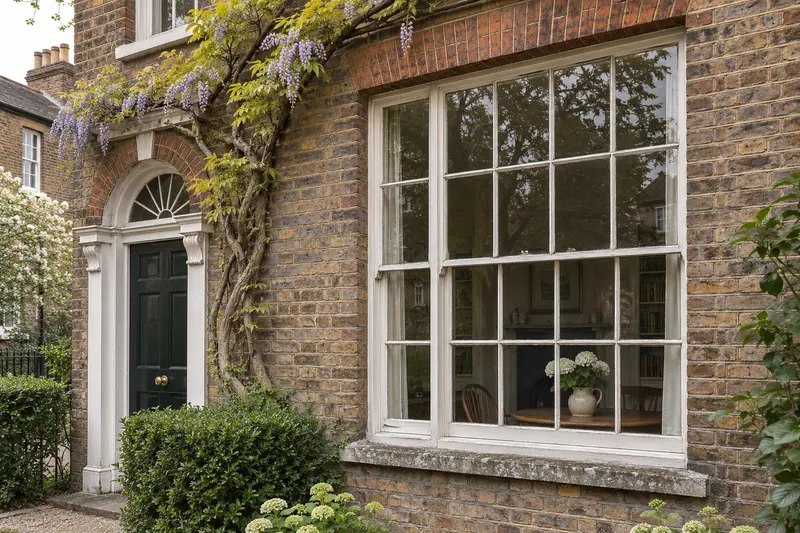
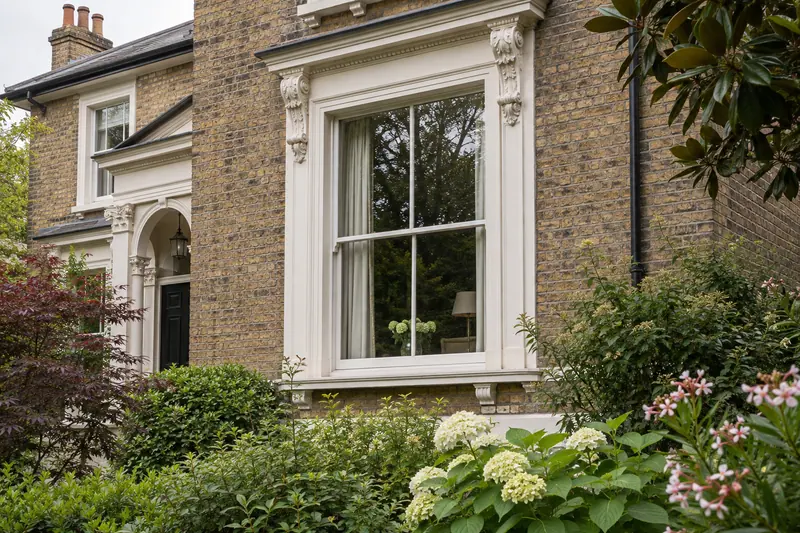
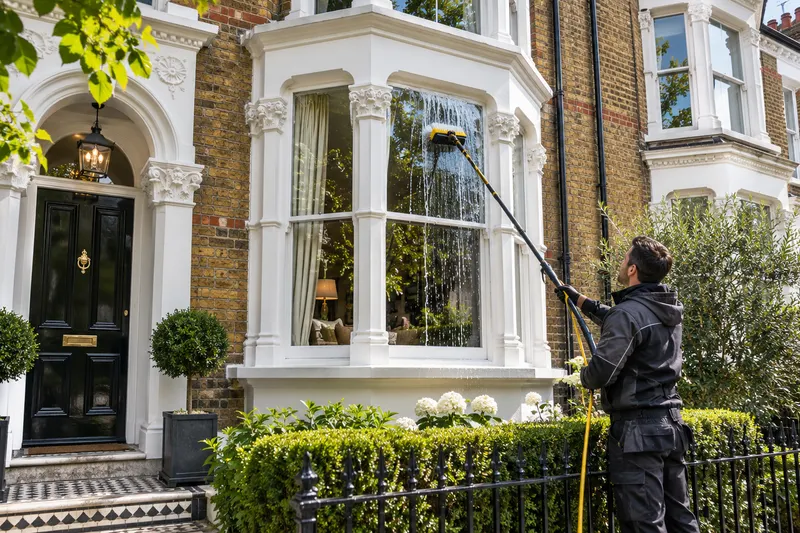
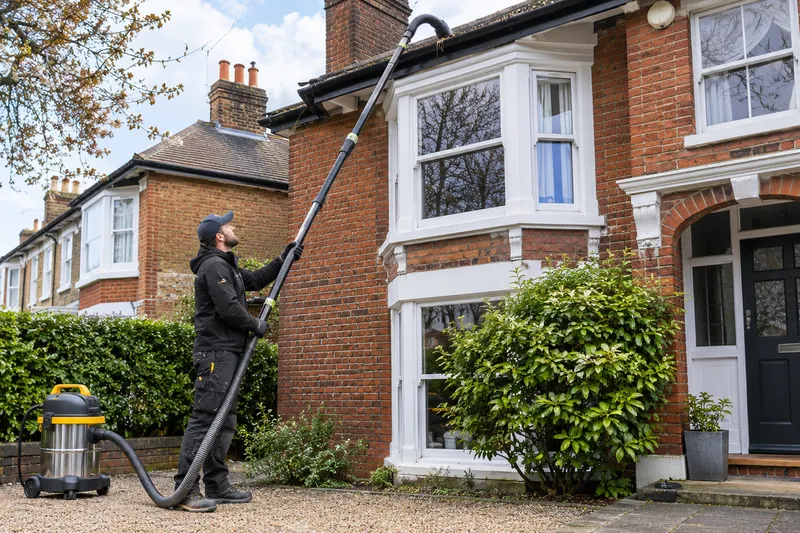
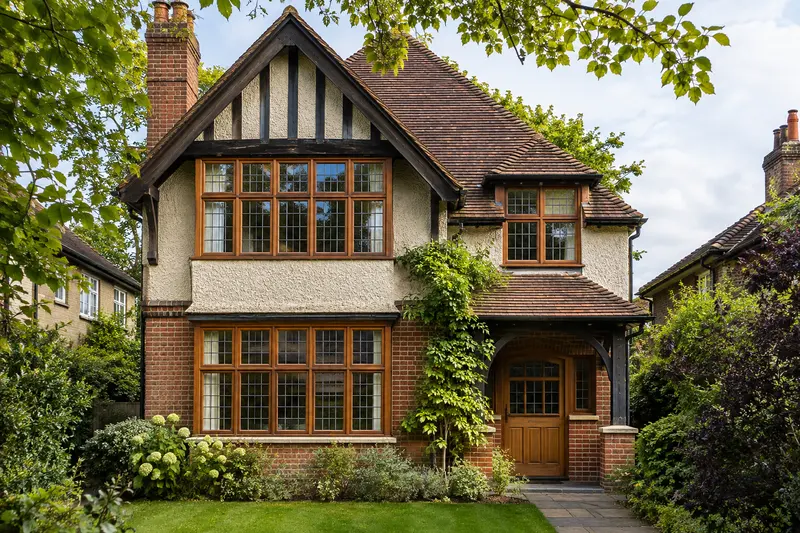
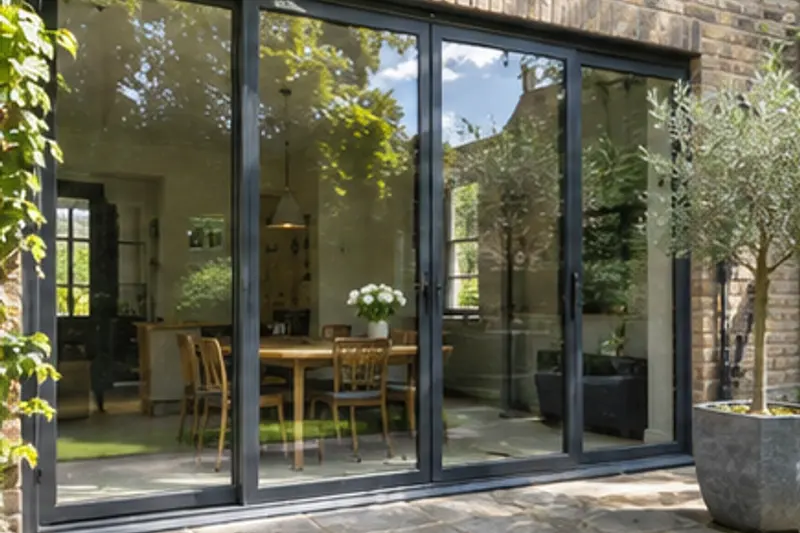
To request a quote, send your postcode, a photo of each useful approach and a list of the glass you would like cleaned. Specify which panes only need one side. A garden room can be booked separately from the street-facing sash, and an upper window may be discussed on its own where the roof changes the approach. Tell us if a neighbour, caretaker or member of staff has to open a gate. For an older property, mention the parts you believe are fragile. Our window cleaning pricing guide explains how reach, glass type and the number of faces affect the assessment.
When considering repeat visits, tell us where dirt first becomes visible. A sheltered garden pane may gather pollen along one edge, while a shop door collects marks near handles. We can discuss an interval that reflects what you want to keep clear. If room-side glass only needs attention occasionally or part of the garden is seasonally harder to access, identify those faces separately. At the end of the visit, we explain which surfaces were reached and what might be needed before returning to an area we could not clean. That detail gives the person making the next booking a useful record to refer to.